On May 11, 2020, France entered the first phase of deconfinement. It was finally possible for us to move more than a kilometre away from our homes. We immediately took the opportunity to rediscover Paris. Our city turned out to have become different, while remaining the same. The same, because streets, houses, buildings, gardens and monuments have remained in the same state, with all the work stopped. Different because it is calm and quiet: almost no more cars or motorcycles. The city given back to human beings, where it is again possible to let children play outside, where it is again possible to cross the streets almost without looking. The city given back to the birds that can be heard singing wherever you are.
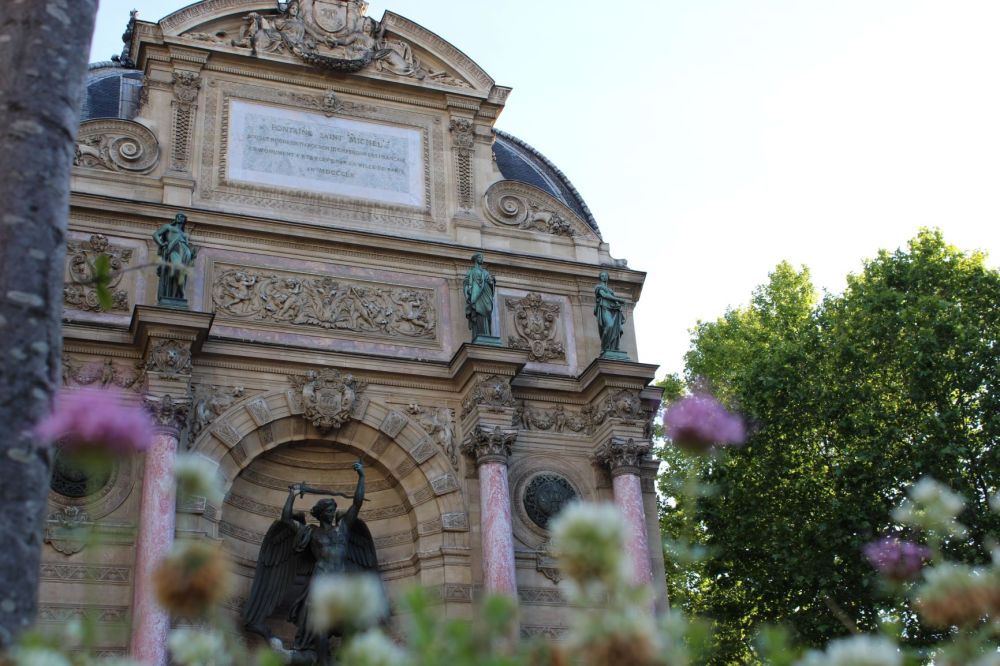
Ten days later, on Ascension Day, enjoying the spring sun and the mild weather, mask over nose and mouth, we set off on a long walk. First, we walked down to the Seine via Boulevard St Michel. We then walked along the port of Montebello, then from the port of La Tournelle to the Sully bridge. This allowed us to see that, unsurprisingly, the Notre Dame construction site had also come to a standstill.
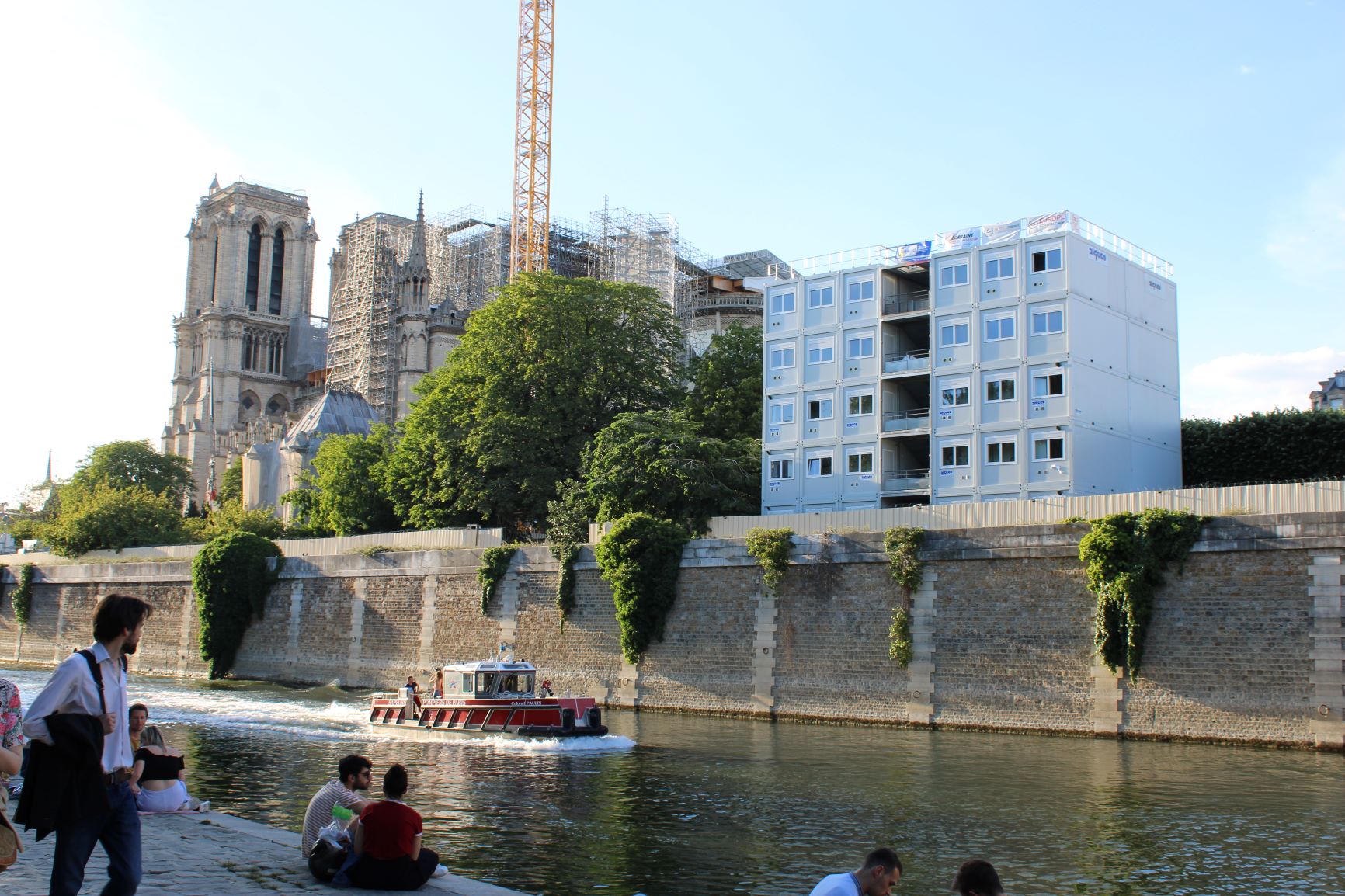
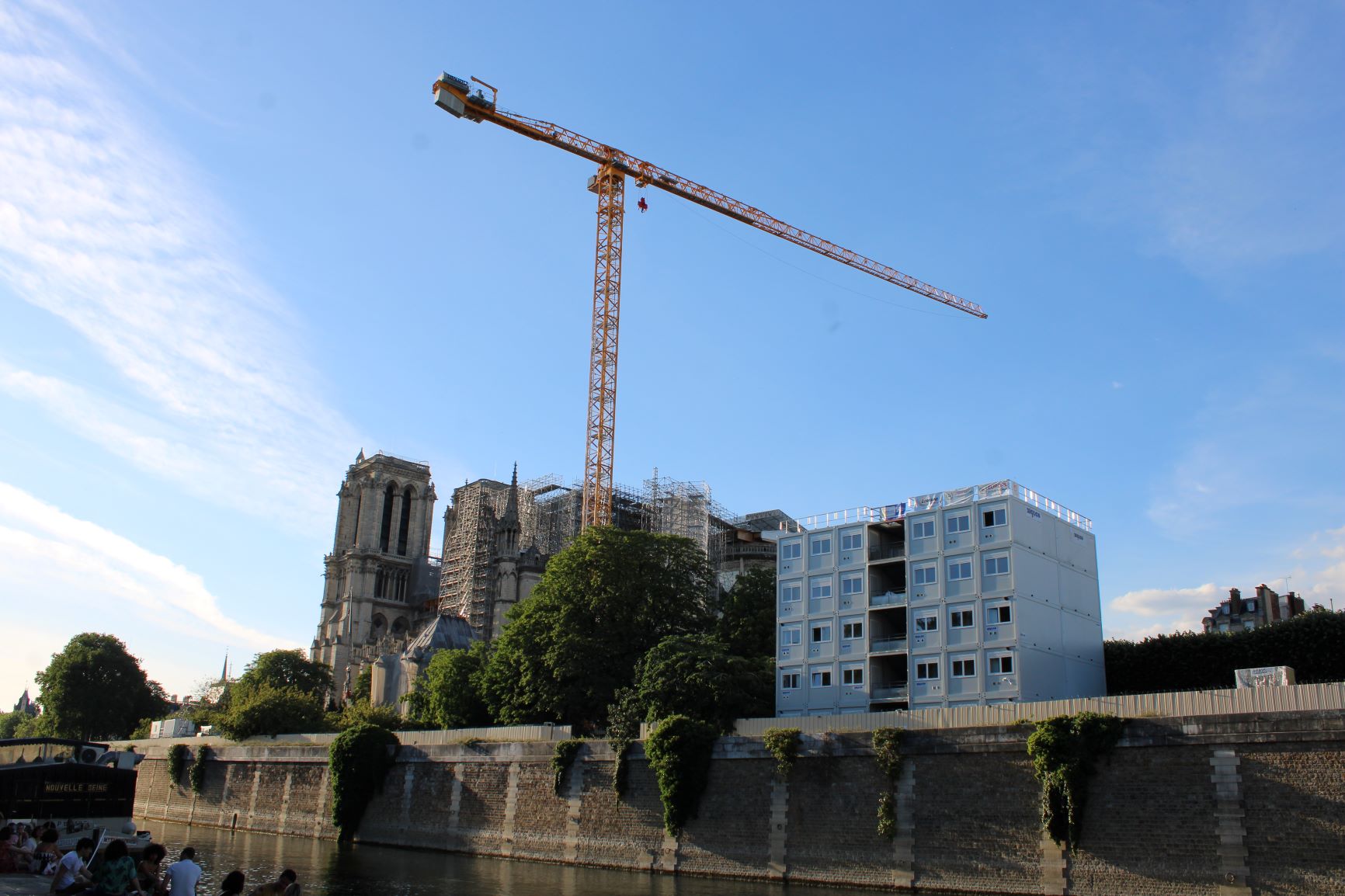


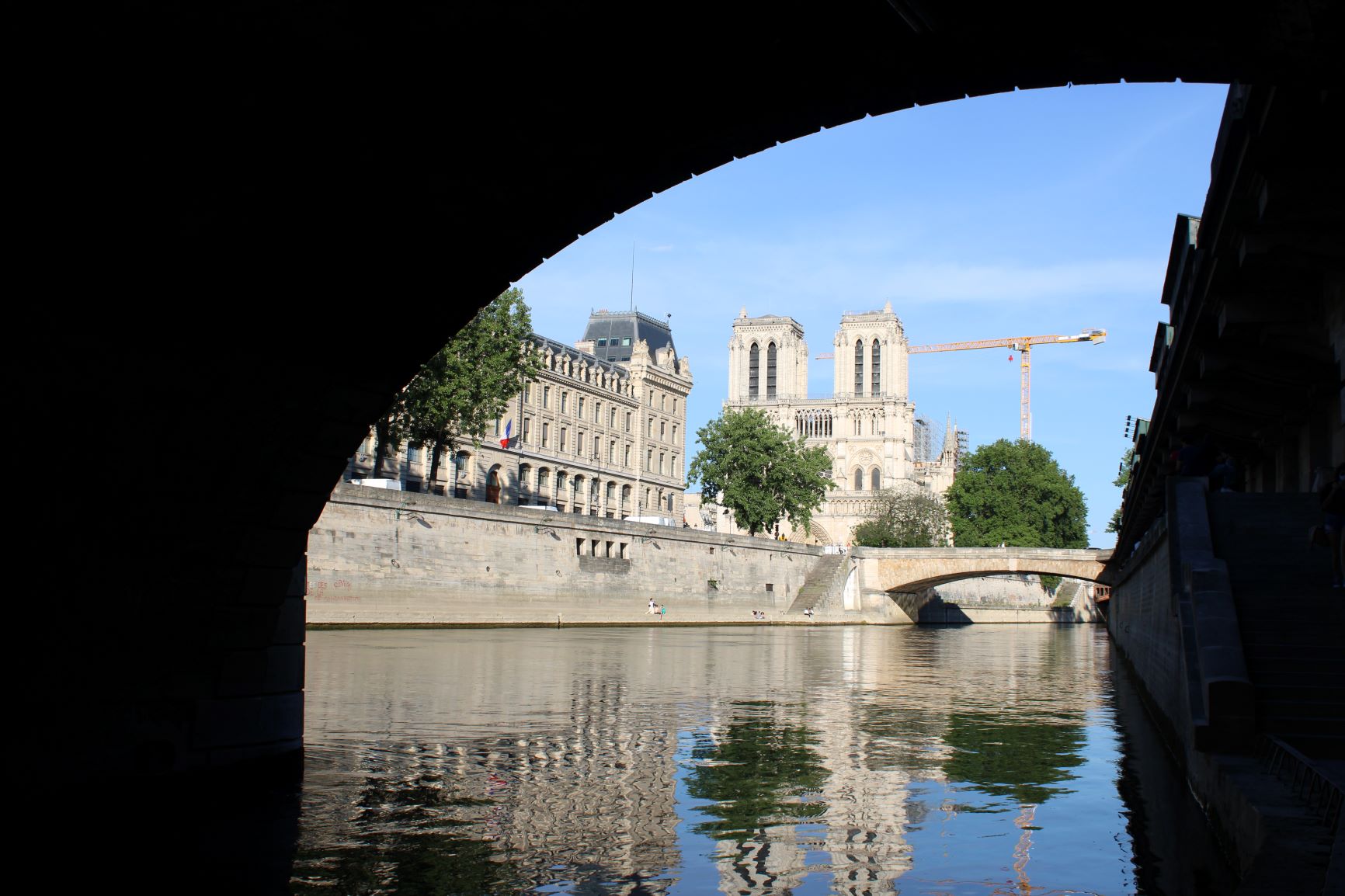
Then we went back up the rue des Fossés St Bernard, then the rue du Cardinal Lemoine and finally we took the rue Mouffetard, with the intention of buying a takeaway meal, dinner time having arrived, our stomachs crying out for food.And, just after the Place de la Contrescarpe – a square now infamous since a free distribution of chestnuts not really iced – we found our happiness: an Indian restaurant, the Singh.

The front is a typically Indian shimmering green. The shop window has all kinds of signs indicating that the restaurant offers Vegan and organic food, so we were delighted.
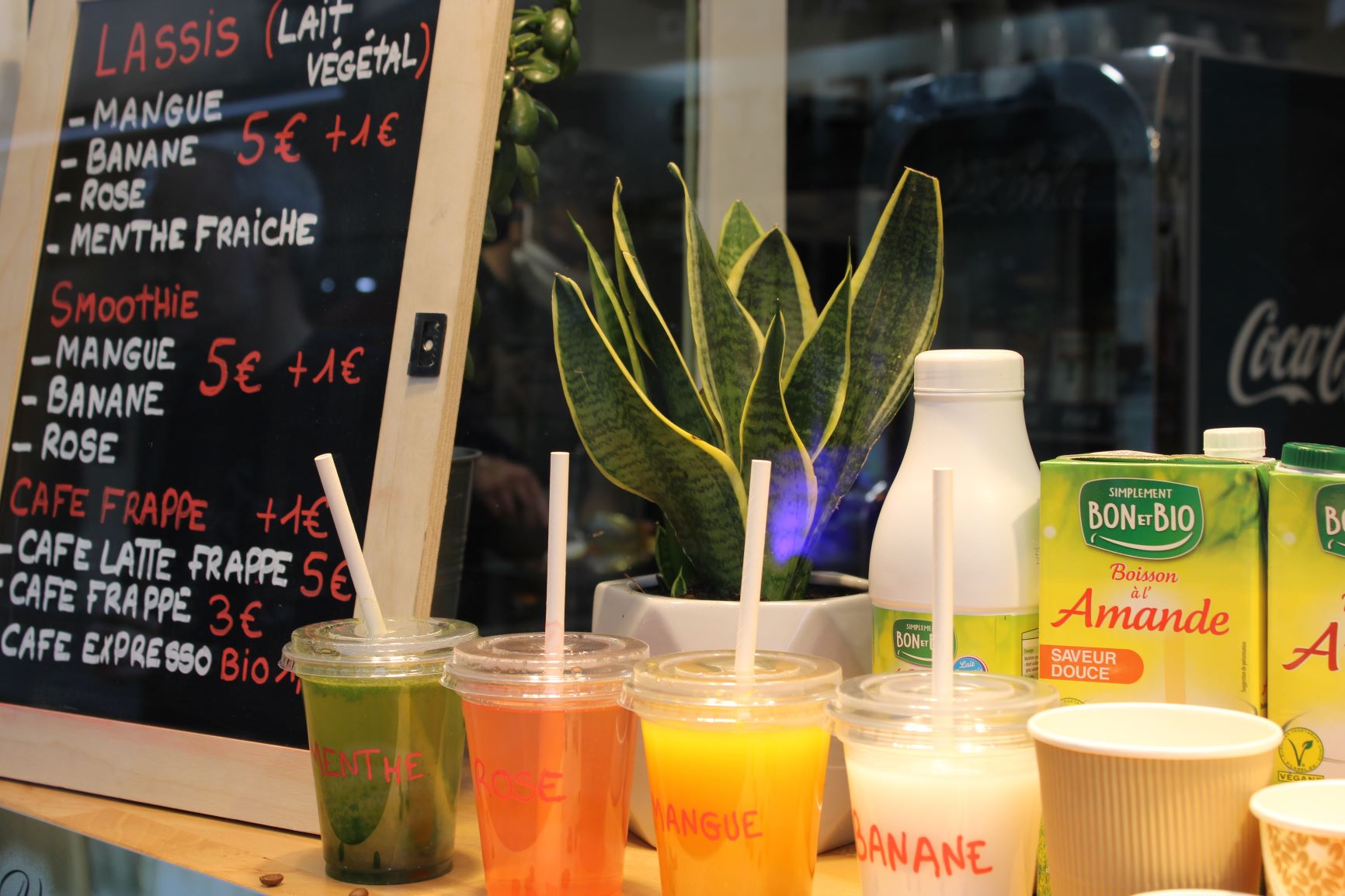
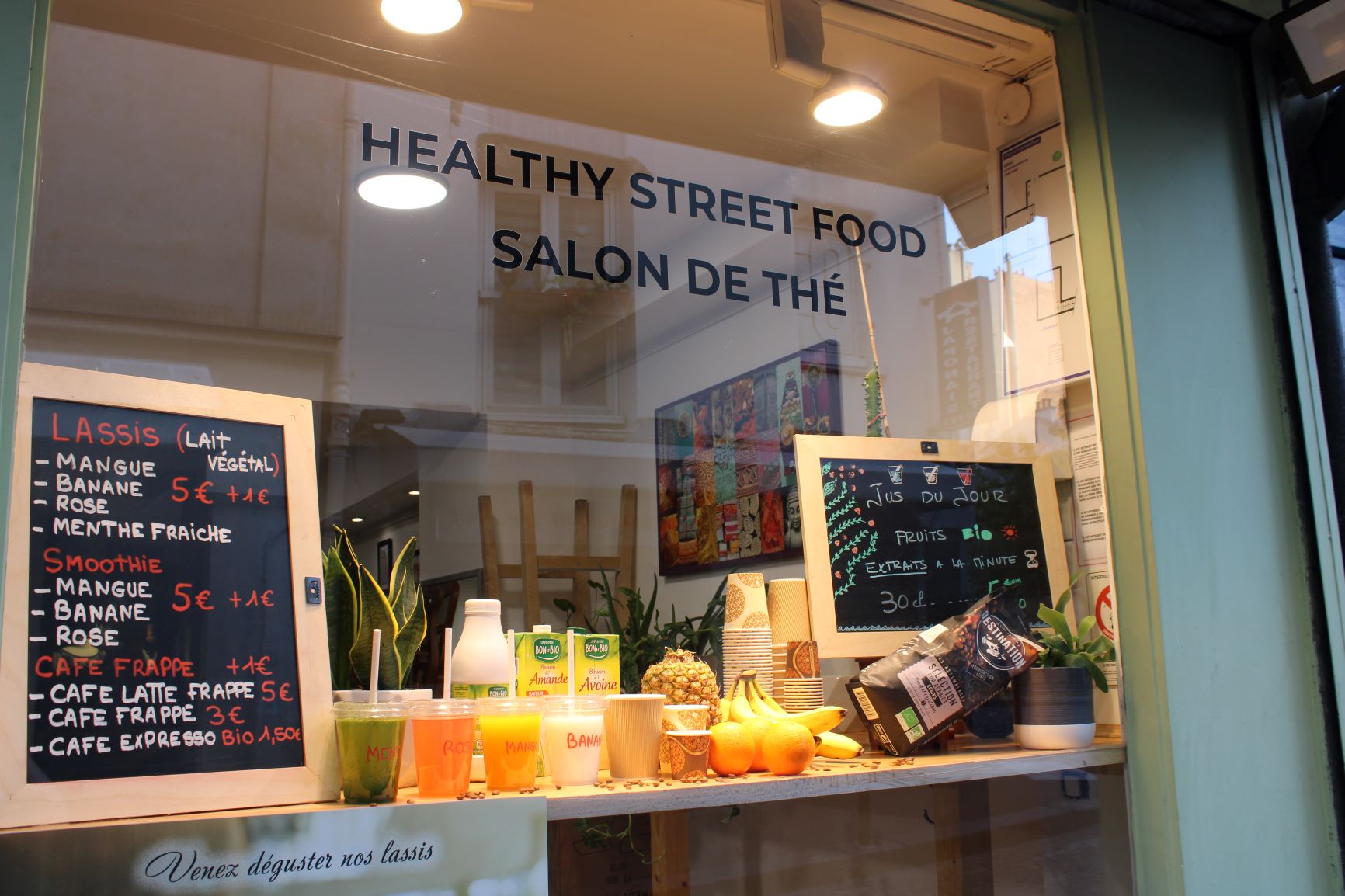
All you have to do is to order, which is quickly done, as shoppers are still rare at this time of deconfinement. A mango lassi, a Baigan Bharta for Nathalie, a banana lassi and a vegetable Byriani for me. The cook immediately gets busy, reviving his fires, lifting pots and lids, thus plunging us back into the spicy smells of our Indian travels. As for the waiter, he runs to the back of the restaurant to prepare our lassis. Everything is quickly ready, but still leaves us time to engage in conversation. We then learn that the two men are brothers and that they come from Punjab. As the lassis are already served, the dishes arrive in their turn, in a whirlwind of scent, and, as it should be, in a recyclable paper bag. We make sure that there is at least one spoon, as we expect to have lunch as soon as we have found a little place to sit. No cutlery. Immediately the waiter fetches what we need, while we tell him that perhaps we should eat with our fingers instead, as we had seen all the Indians of Radjastan and most of the Indians of Kerala do. There are even writers who have written that it is good to eat with your fingers for all sorts of reasons that have to do with the way we relate to food. Moreover, this way, there is no risk of burning your mouth! We also remember the definitive words of an Indian woman: « You Westerners are strange: you can’t touch with your fingers what you put in your mouth! « The waiter, who hasn’t lost any of our words, then comes back with the cutlery and tells us his Punjabi Indian point of view: « In our family, there were 17 of us, and in the house there was only one spoon. At every meal, it was a fight because everyone wanted it! »
Par Jean-Yves
Ps : spoon or no spoon, the Baigan Bharta and Byriani were delicious !
Translated with http://www.DeepL.com/Translator (free version)
 Rencontres et découvertes, ici et ailleurs