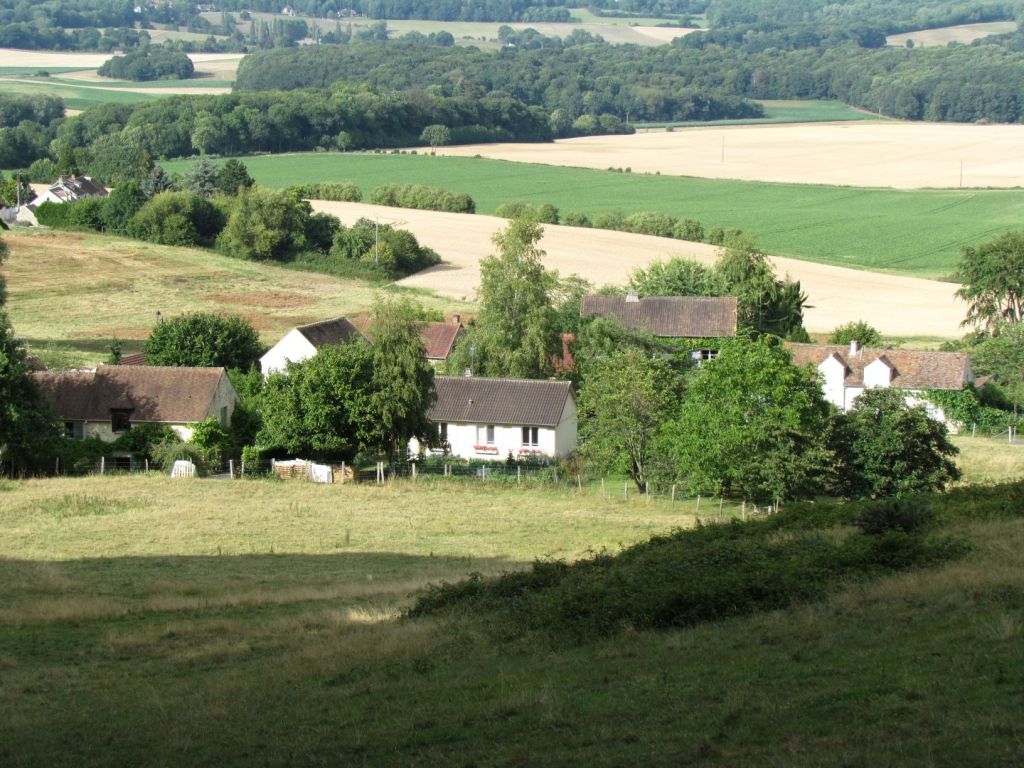
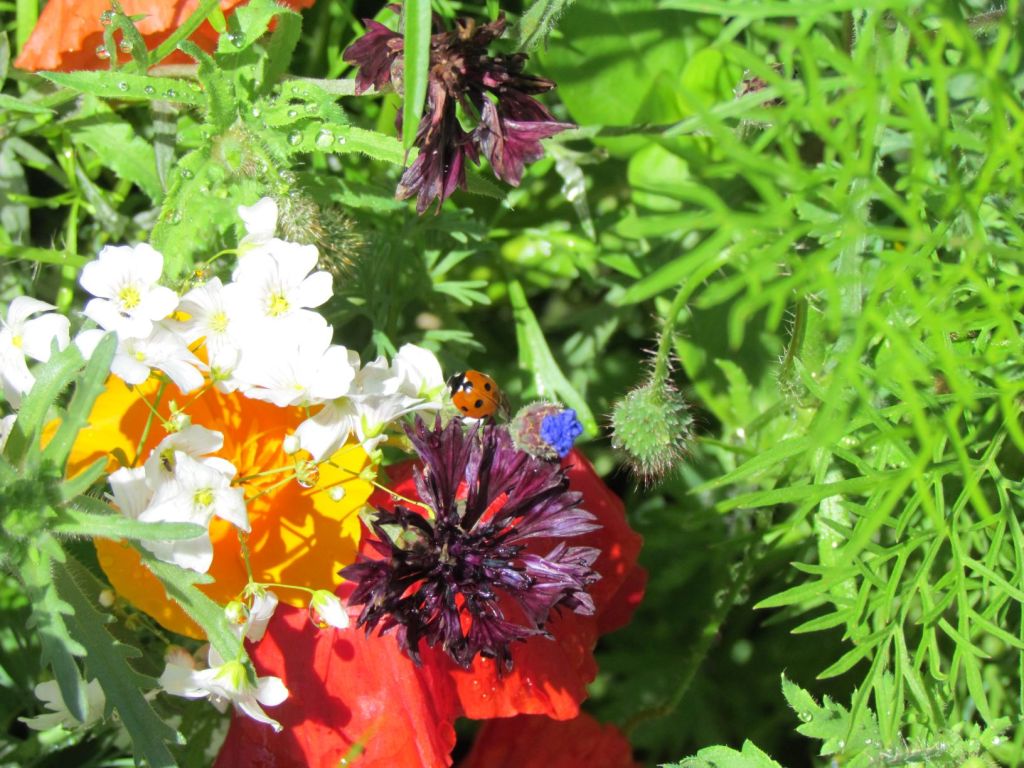
The exercise here consists of inserting the words and expressions in bold in a new one to be invented. Most of the photos are taken from the dream garden realized by Jean-Yves in 2011/2012 when we lived in the Vexin region…
Saturday, March 12, 2019, it is 11:20 a.m., the SAMU is intervening in the garden of Lise and Julien, at the Bernerie en Retz. Around 9 o’clock, Julien went out to pick strawberries for Lise. He promised him to come back quickly because Lise wants to test her new recipe for strawberry tart at all costs. Lunch is scheduled at 1 p.m., with their children, so don’t wait to get into the kitchen to treat the little family.
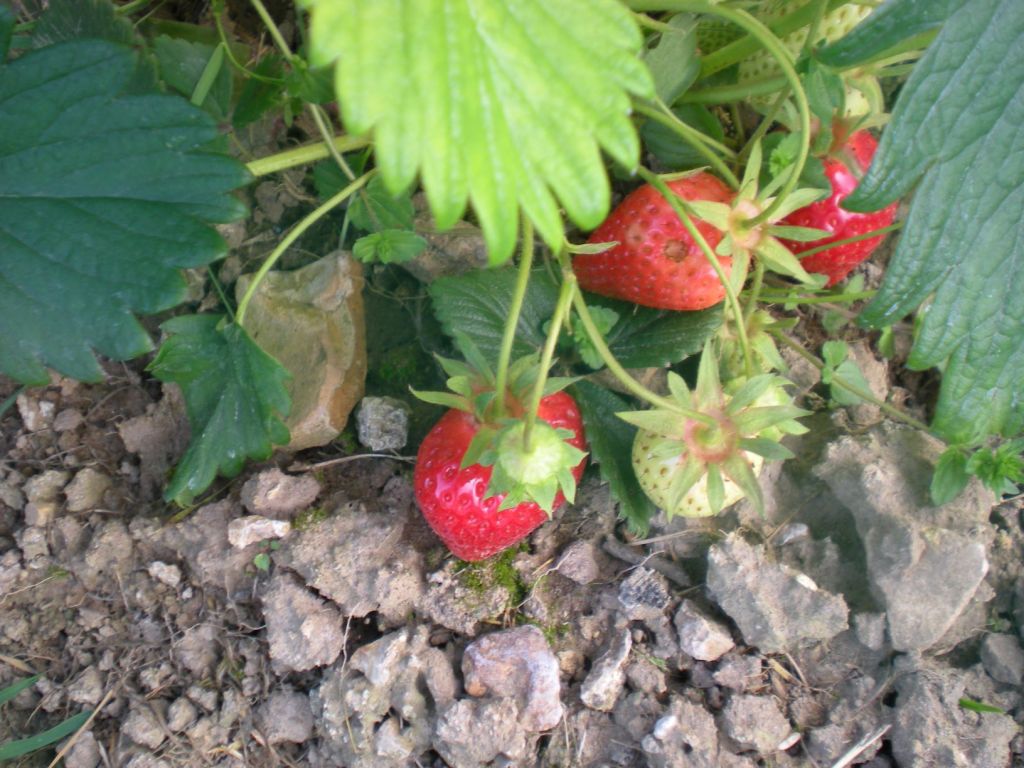

Lise asked Julien to bring them back to her as soon as possible because she doesn’t want to be a leek, as is often the case when he leaves for the garden. Julien often gets caught up in the gardening work and doesn’t see the time go by. Sometimes, he also remains in full contemplation before the wonders of Mother Nature. This time, Lise insisted that he come back as soon as possible. She made her pie dough, called a friend, and didn’t realize Julien’s prolonged absence until after an hour and a half. She then went to join him in the garden and found him lying there, his basket of freshly picked strawberries overturned in the middle of the rutabagas.
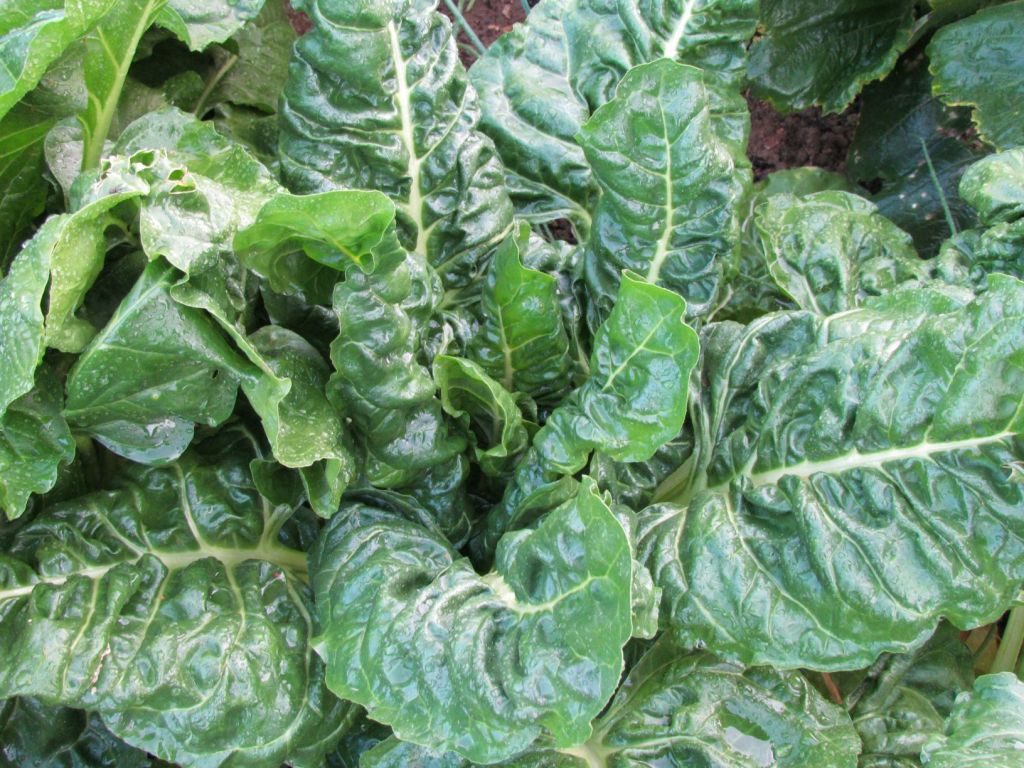
Lise rushed into the house. She ran up the steps to the front porch. She looked for her cell phone, at the bottom of her purse, hanging from the doorway. When the phone was finally found, she called for help and went back to Julien, waiting for them to arrive. She is now thinking of a stroke or something like that. She’s very worried and knows that she still has to keep her cool. She’s brooding, she shouldn’t have told him to hurry. The intervention team finally arrived after about ten minutes. The caregivers are busy on their knees, around Julien’s motionless body, providing first aid. After a good quarter of an hour, which seems like an eternity to Lise, the EMS doctor gets up and decides to transport Julien to the nearest hospital.
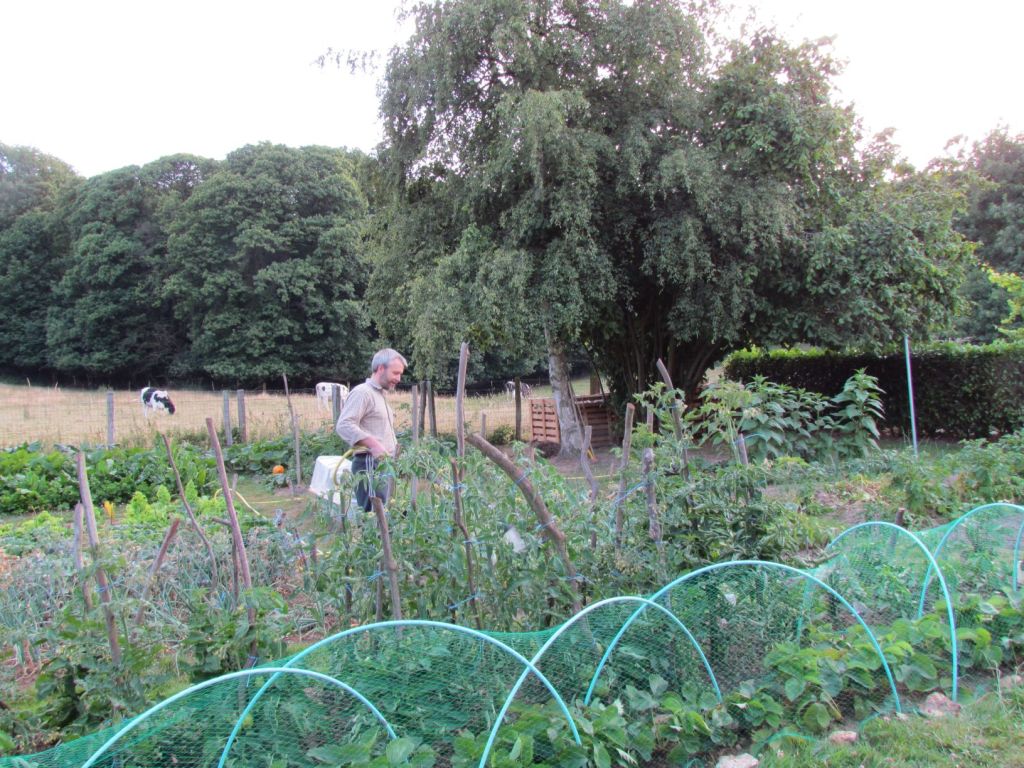
Saturday 12 March, around 12.30 pm, the SAMU intervened again, this time in Moutiers en Retz. It takes place once again in a vegetable garden, under the astonished gaze of the cows, which revel in the fresh herbs, in the meadow at the edge of the forest.
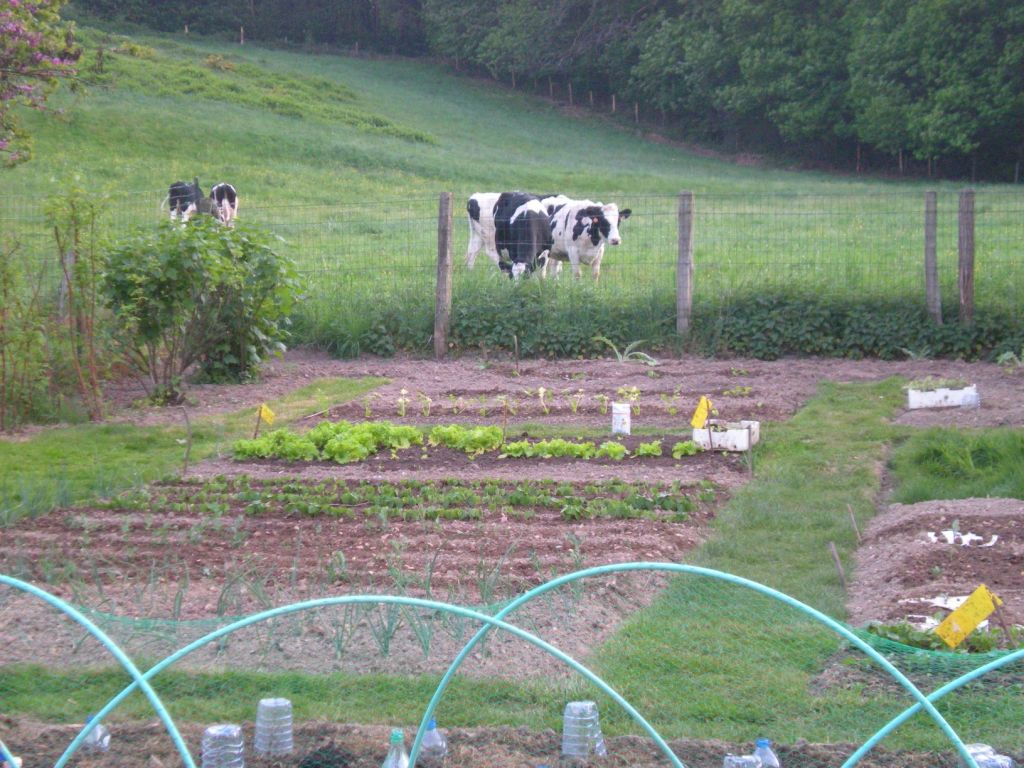
Monique is found lying among her turnips and is in a rather worrying comatose state. Like Julien, her vital prognosis appears to be committed. Monique has just celebrated her retirement, which was last night. With the gifts she received as a parting gift, she plans to buy herself a grelinette. This morning, at dawn, she decided to test the tool borrowed from her neighbour, before investing in the purchase that all gardening enthusiasts describe as extraordinary. The interventions of the emergency services then follow one another, at a worrying pace, throughout the day. The teams intervene in Arthon en Retz, then in Bourgneuf, St Michel Chef Chef and finally in St Père en Retz, always following the same scenario in various vegetable gardens in the region.
In total, there will be no less than 40 interventions on Saturday, March 12. The « patient gardeners », as they are now called, are each time found in a serious condition in the middle of their garden. They are then distributed to the various hospitals in the region. In each of the establishments, a care unit is now dedicated to the comatose gardeners.
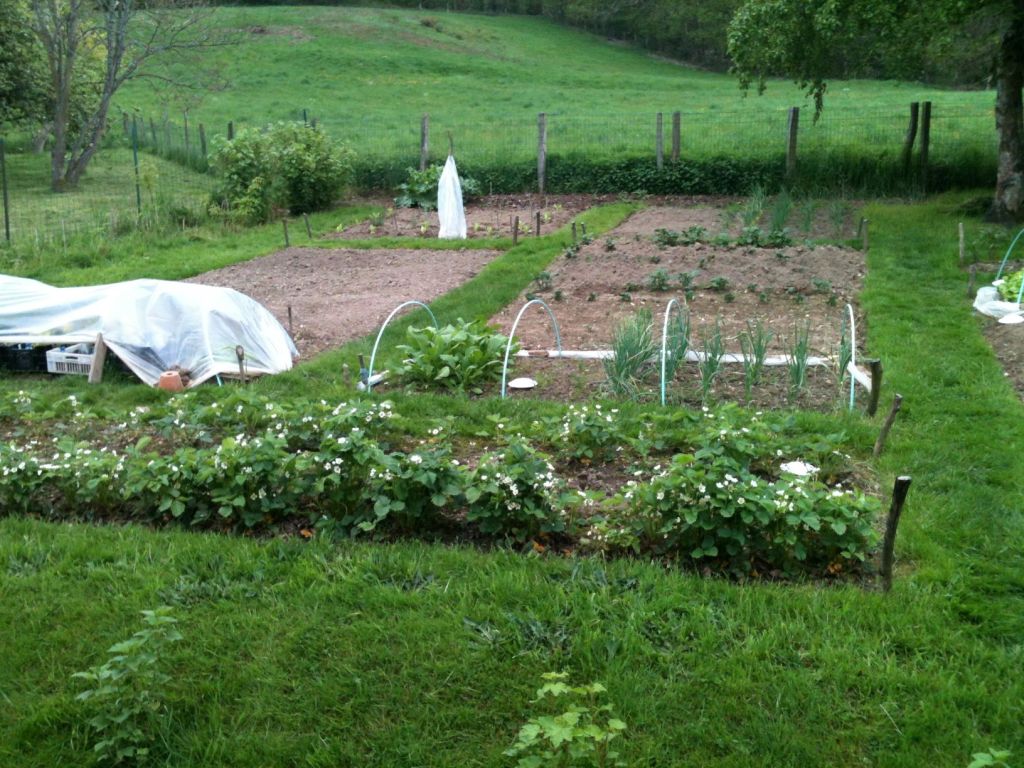
By mid-afternoon, the Public Prosecutor’s Office is seized of the case and, on instruction, entrusts the preliminary investigation to Captain Blob and his team. All persons likely to provide information are interviewed and common denominators are sought. The schedule of the 40 gardeners is carefully scrutinized. Have they eaten anything similar? Did they go to the same stores? Did they eat in the same restaurant? The investigators are trying to find some food for thought.
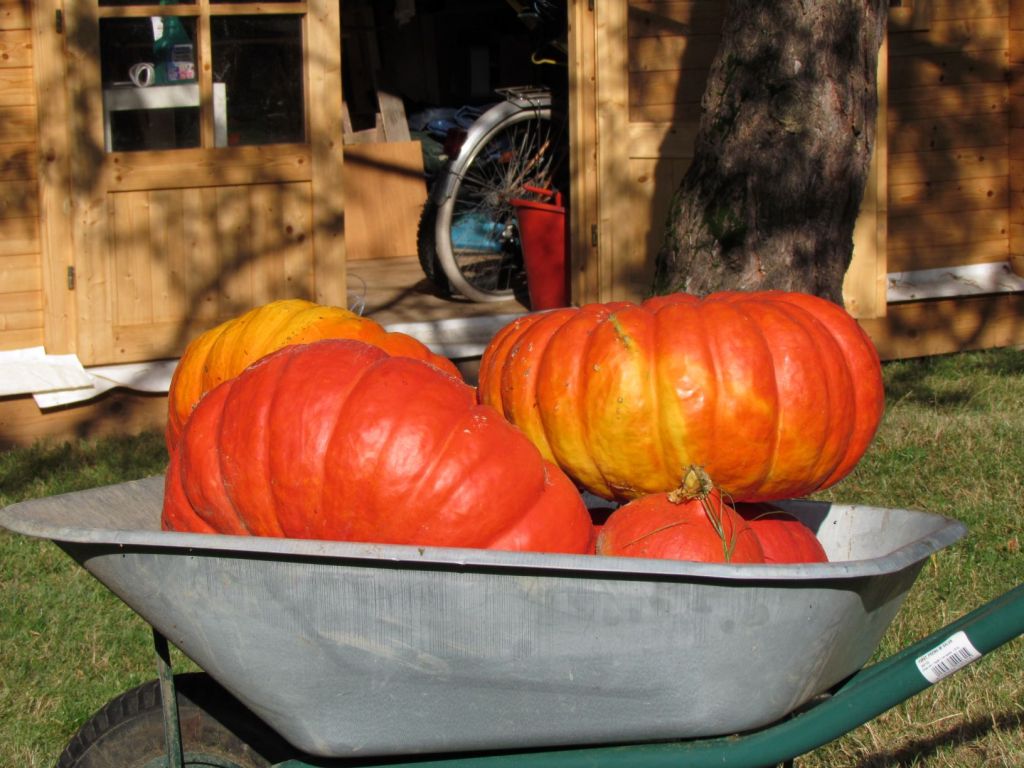
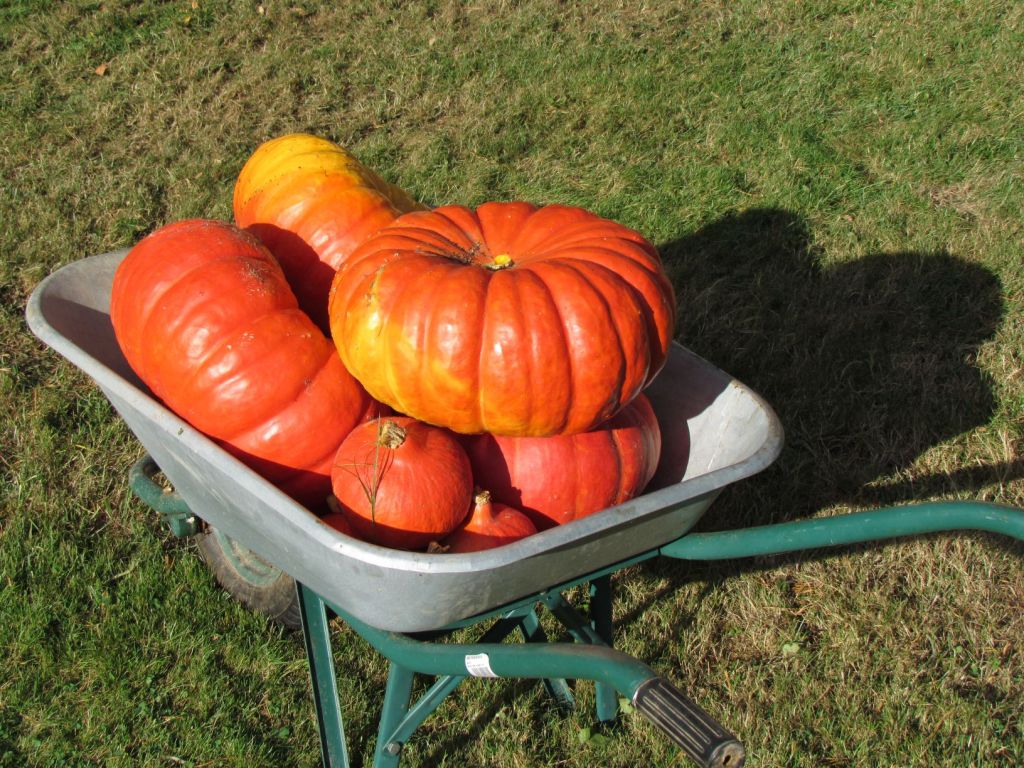
After the first week, without any progress, the police investigation is going nowhere and Blob starts to have the unpleasant sensation of having a spider in the coloquinte. On the medical side, it is finally decided to group all the gardeners in coma, in a single care unit, at the Saint-Nazaire hospital, to prevent the different teams from getting into trouble with each other. The head of the intensive care unit, Professor Zeuzère is in charge of coordinating the care of these mysterious patients. Although their condition remains stable, there is no sign of improvement. Analyses sent to the most efficient laboratories in the region have not yielded any results. What could have caused the coma of the 40 gardeners remains a mystery to doctors and researchers, as well as to investigators. One lead leads the investigators to look into the use of pesticides, fungicides, fertilizers and other products. The use of these products seems to be the only common denominator among the 40 gardeners. However, toxicological analyses reveal nothing significant. Relatives and families are again being interviewed and are cross-referencing the information in their possession. The treatment products found in the gardeners’ homes were requisitioned and analysed. In the end, none of the gardeners used the same products. The batches are all different and the dates of last use do not match for any of them. Some have not used these products for several months and even seem to have recently abandoned them. The new wave in favour of ecology has led to a real awareness of the risks involved. The death of old Léon last fall from cancer attributed to the spreading of fertilizers has finally made the most recalcitrant think. There is no plausible explanation for this. Blob has already spent a few sleepless nights on this case. The Public Prosecutor’s Office expects quick results and demands that the case be handled with the utmost discretion because of the political stakes involved. Here and there, in recent months, a few mayors have begun to put in place anti-pesticide decrees in their municipalities. They have sparked the anger of the state and the lobbies. The general public is this time waiting for reliable information and the media keeps calling Blob on his old first-generation Fairphone. Since this new affair, many gardeners have stopped tending their gardens for fear of being affected by the same evil. Wasteland is starting to reappear here and there in the region. The big garden centre brands are sounding the alarm because they are desperately empty at the beginning of spring. The investigation has now been open for a month and the case remains totally opaque. Blob’s partner Lisbeth is worried about her husband. She tries to offer him tiny little spaces to relax. During one of their one-on-one dinners at the Moulin de Retz, one of their favourite restaurants, she talks to him about her latest readings to distract him a little. They both share a great passion for reading. She has just finished « The Secret Life of Trees » by Peter Wohlleben and has just finished « The Clock of Nature » by Peter Wohlleben. Through these readings, she has discovered the unsuspected capacities of the plant world. She understood that plants can communicate with each other and that almost magical phenomena can occur. She persuaded Blob to read these two books. So she doesn’t think about her investigation, but rather wants to entertain him and save him from having to spend yet another sleepless night turning and rolling over in bed. It is during this night of reading that Blob discovers the powerful powers of Mother Nature. As he reads, he begins to develop a hypothesis as part of his investigation. However, it seems so far-fetched that he doesn’t know who to talk to about it, let alone how to discuss it with the public prosecutor or with researchers and doctors. His team is likely to laugh in his face and think that he’s telling them a bunch of nonsense.

In order to get a clearer picture, he decided to contact the author Peter W. The latter confirms the unsuspected discoveries he makes every day about the plant kingdom. Intrigued by this investigation, Peter W. even agrees to come to the site and Blob succeeds in introducing him to his team of investigators without making a mockery of it. One thing led to another and the investigation was resumed from a different angle. New toxicological tests are being carried out. New hypotheses then emerge. On the wise advice of Peter W., the bodies of the comatose gardeners are once again inspected under a magnifying glass. The relatives are again auditioned and everyone agrees to let Peter W. visit the gardens.
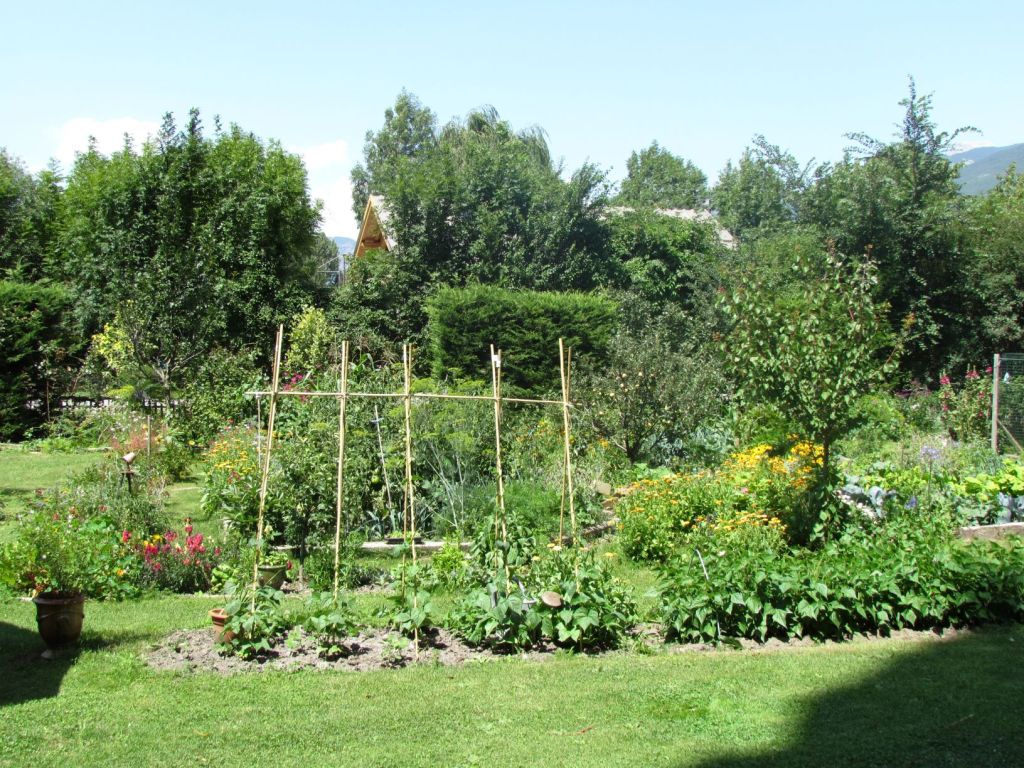
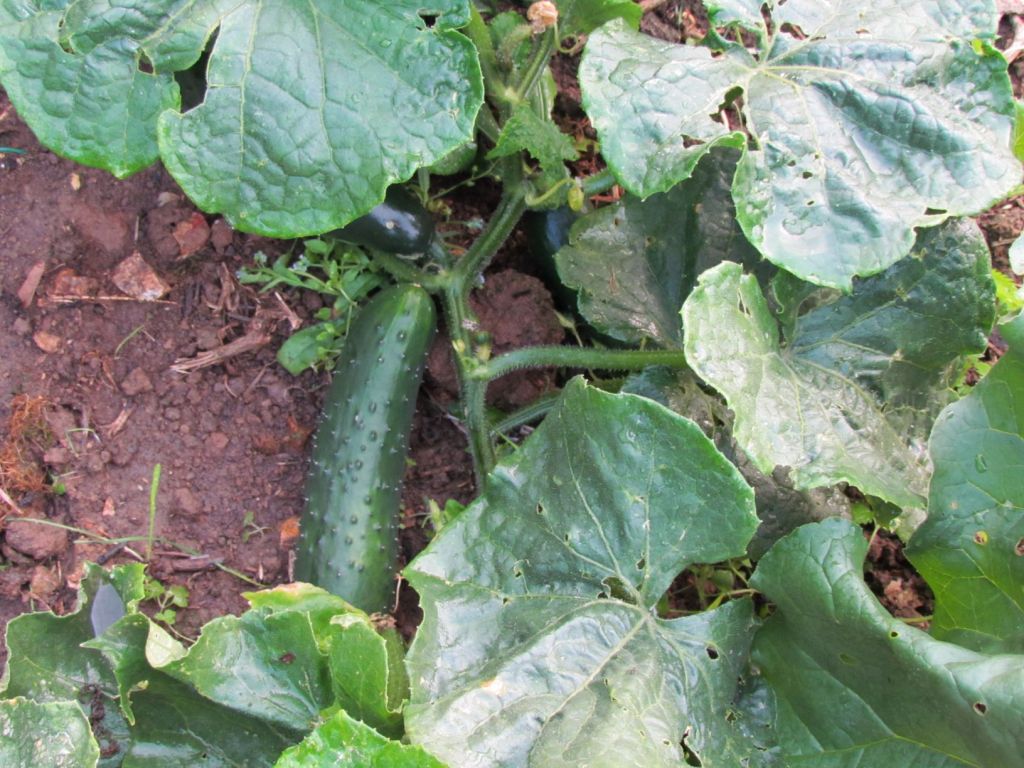
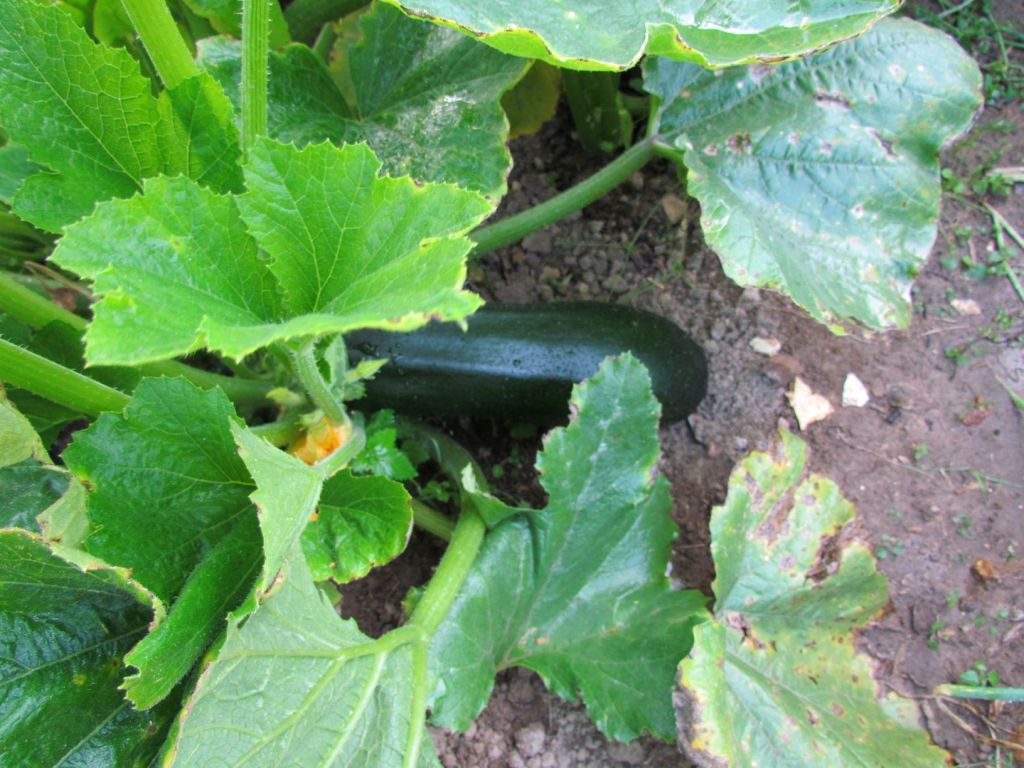
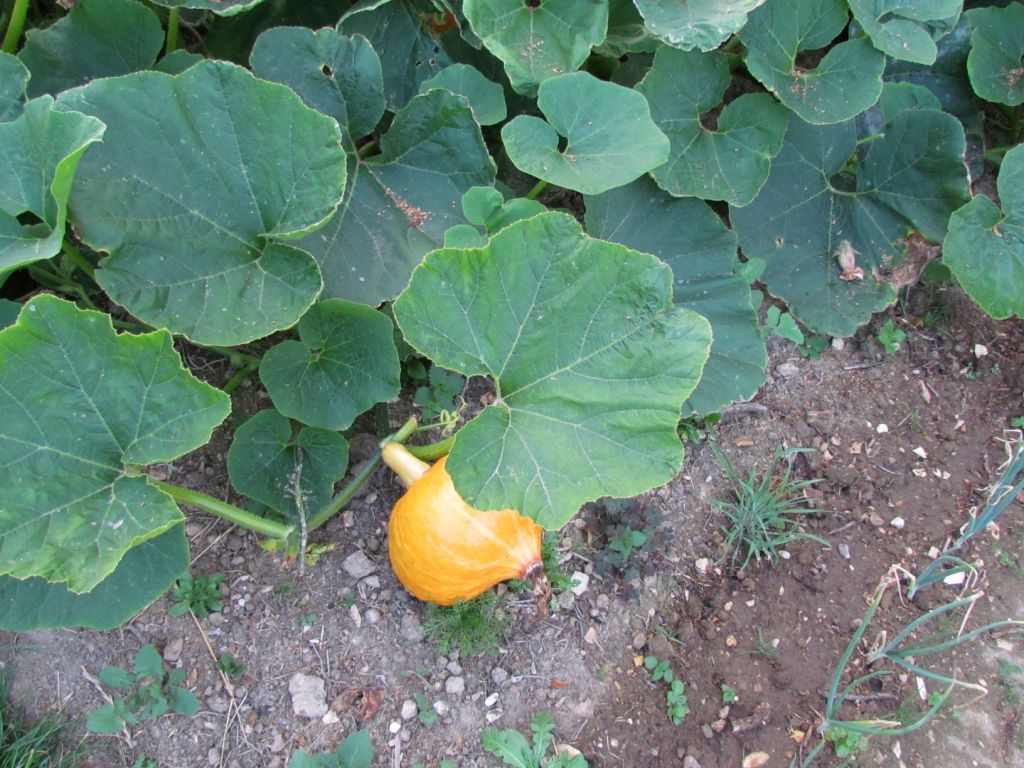
The latter scrupulously studies the various plant species present in the different gardens concerned by the survey. He is captivated by all the flowers and vegetables he discovers in these small gardens in the Bay of Retz. Here cucumbers, there marvellous zucchini flowers, a little further away celery shoots, then Dalhias flowers or plump cucurbits. Mother Nature is generous and adorns herself in a thousand finery to captivate her gardeners. No one could imagine that Mother Nature also has her defences…
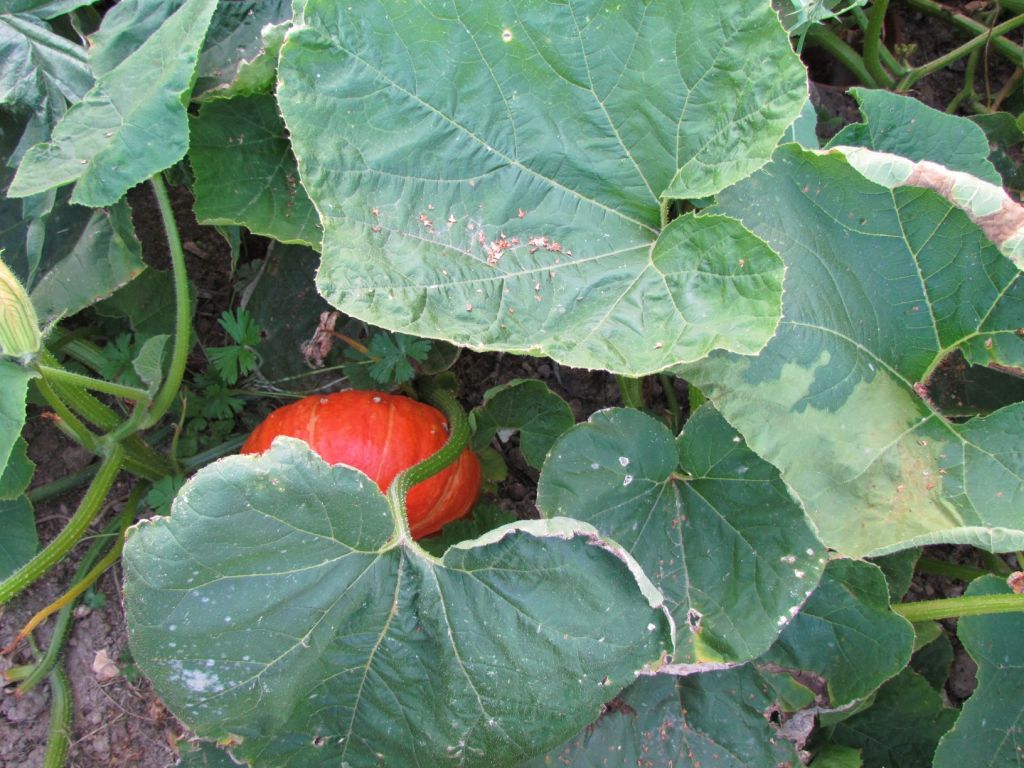
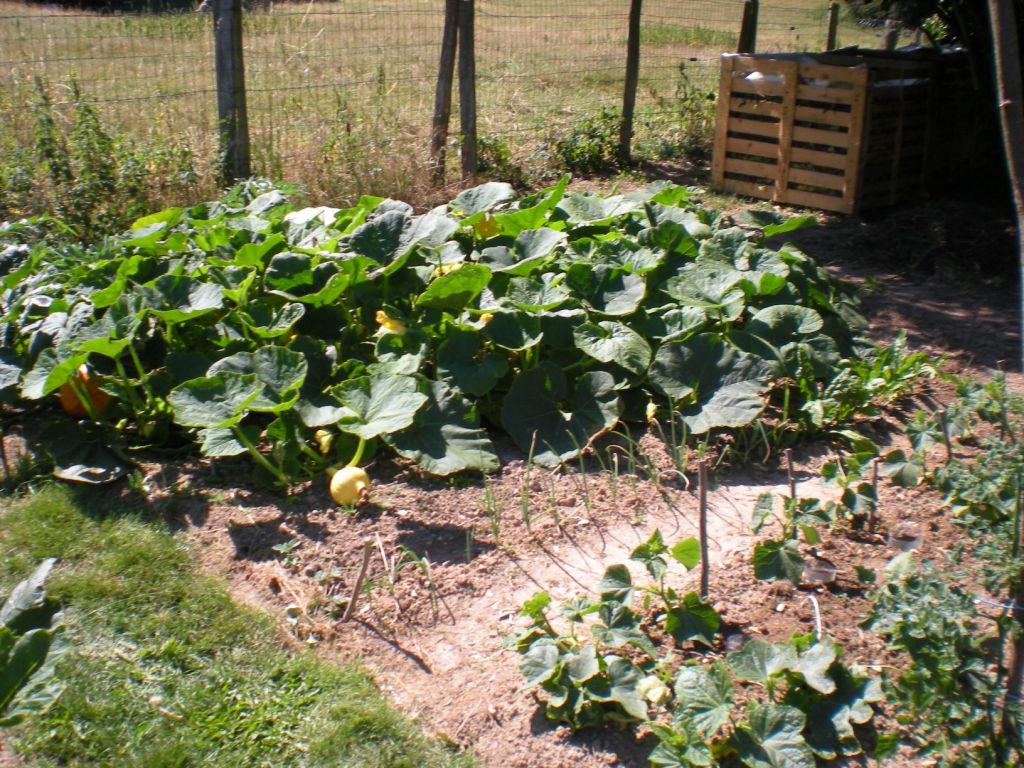
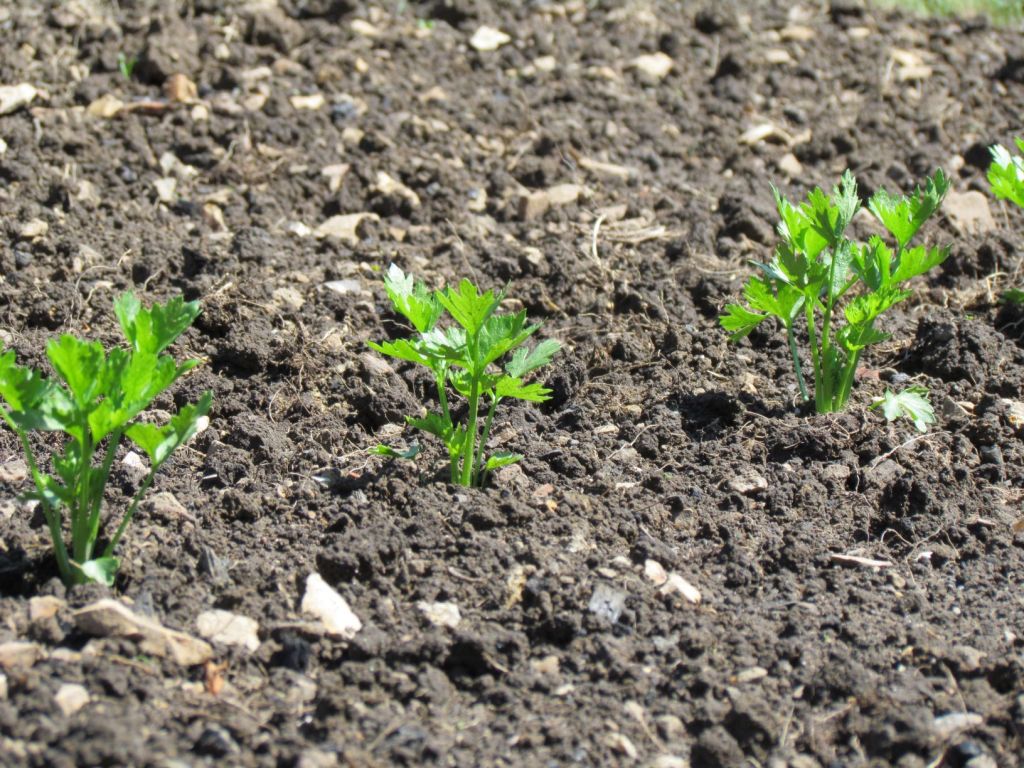


In the end, the doctors, guided in their research by Peter and Blob, discovered that tiny forms of erythema had appeared on certain parts of the bodies of the 40 gardeners that were almost invisible to the naked eye. These resemble the oedemas sometimes found on mucous membranes or burns caused by irritating plants of the Araceae family. These marks appear when certain plants release calcium oxalate on humans. Radish and turnip leaves have microscopic spines that can trigger this type of erythema. In this case, the erythema remained practically invisible on medical examination and the toxicity of calcium oxalate is increased tenfold. This is a real conundrum for the medical team who have never before had to treat this type of problem.
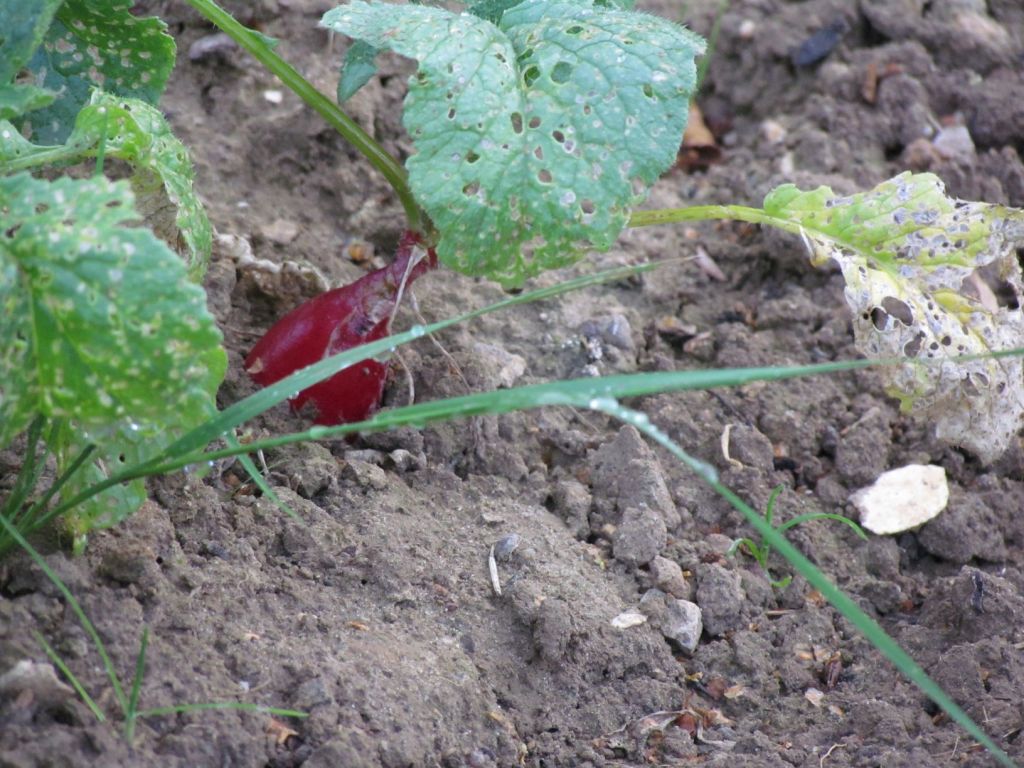
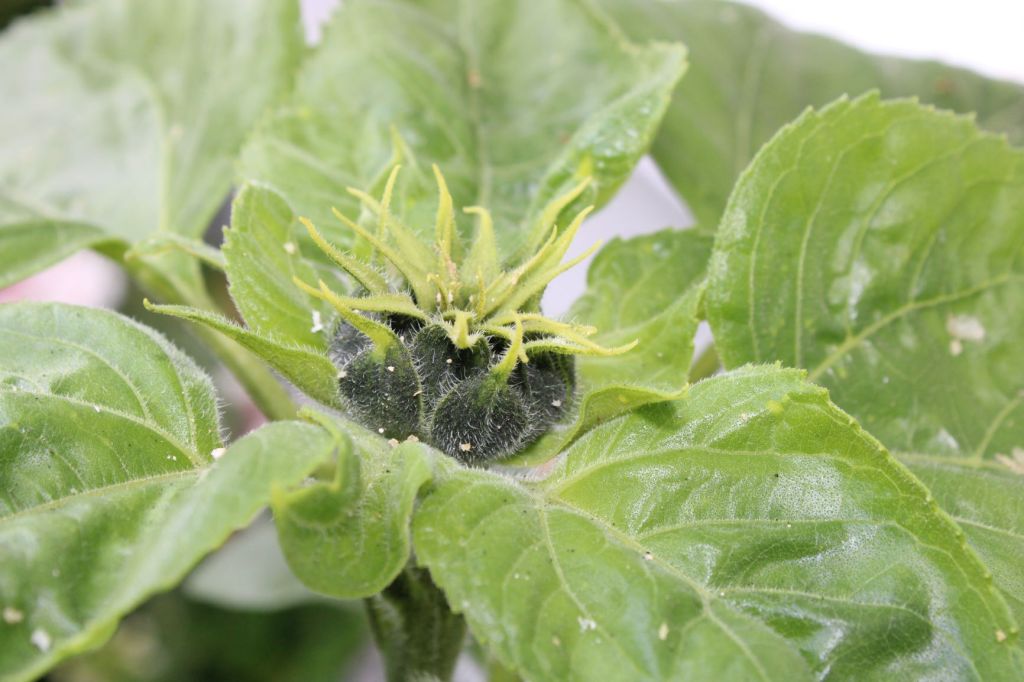
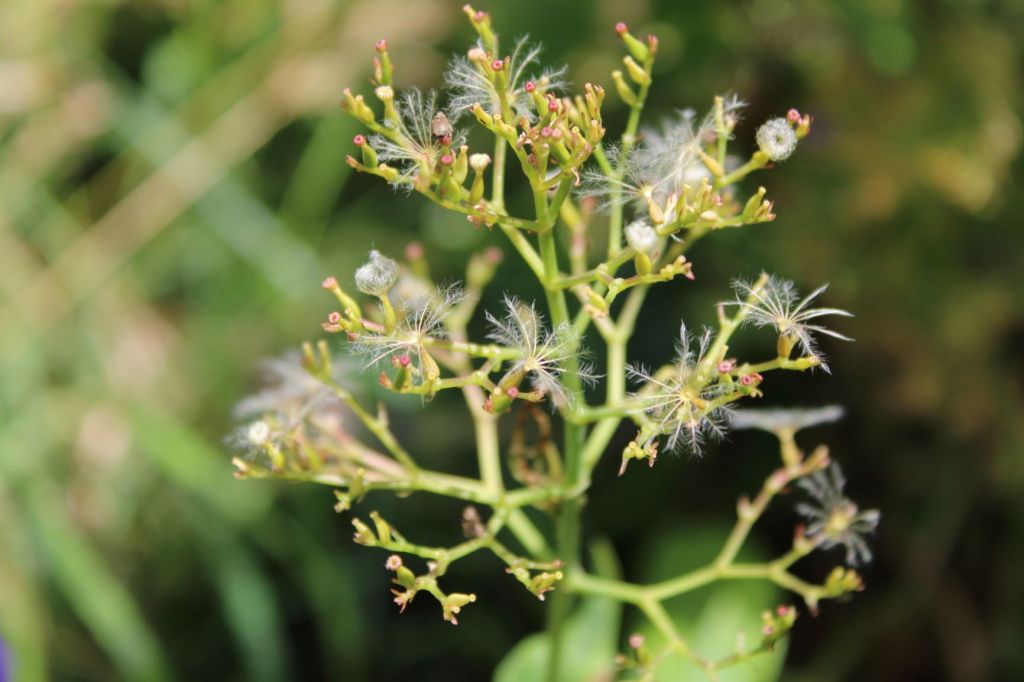
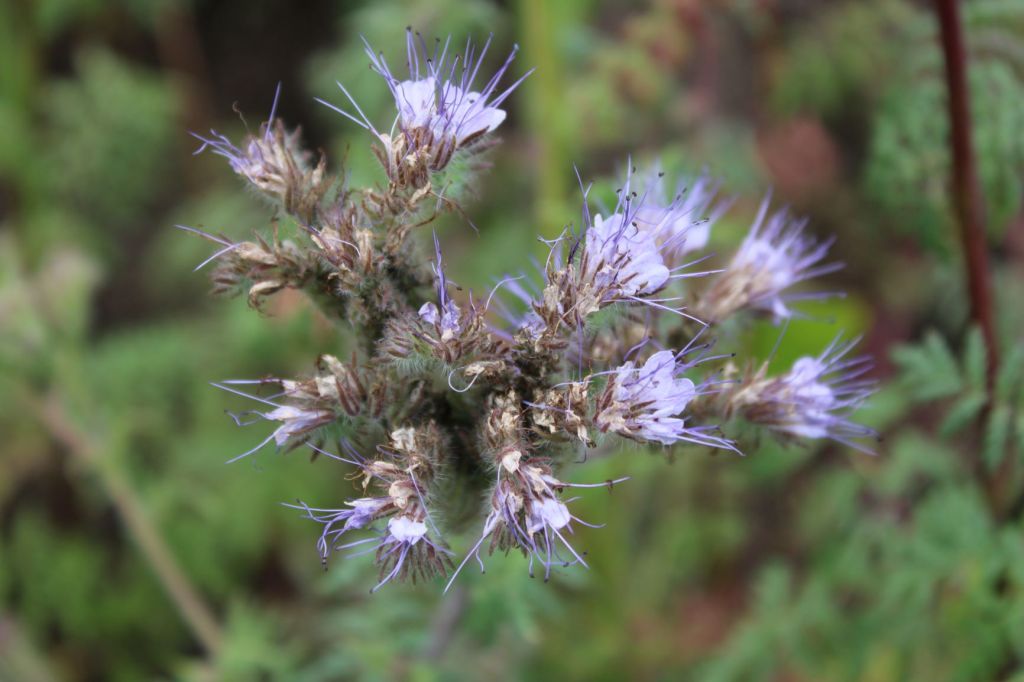
Over the months, the work carried out by teams of researchers from all over Europe finally enabled Blob to unravel the mystery of the vegetable revolt against gardeners using toxic products in their gardens. It is an elaborate reaction that involves sending a toxic gel through microscopic thorns when there is a potential risk of a chemical attack. In this way, nature defends itself against fertilizers and pesticides. The insects can forage safely again and do their magnificent job of pollination without fear of a pesticide attack.
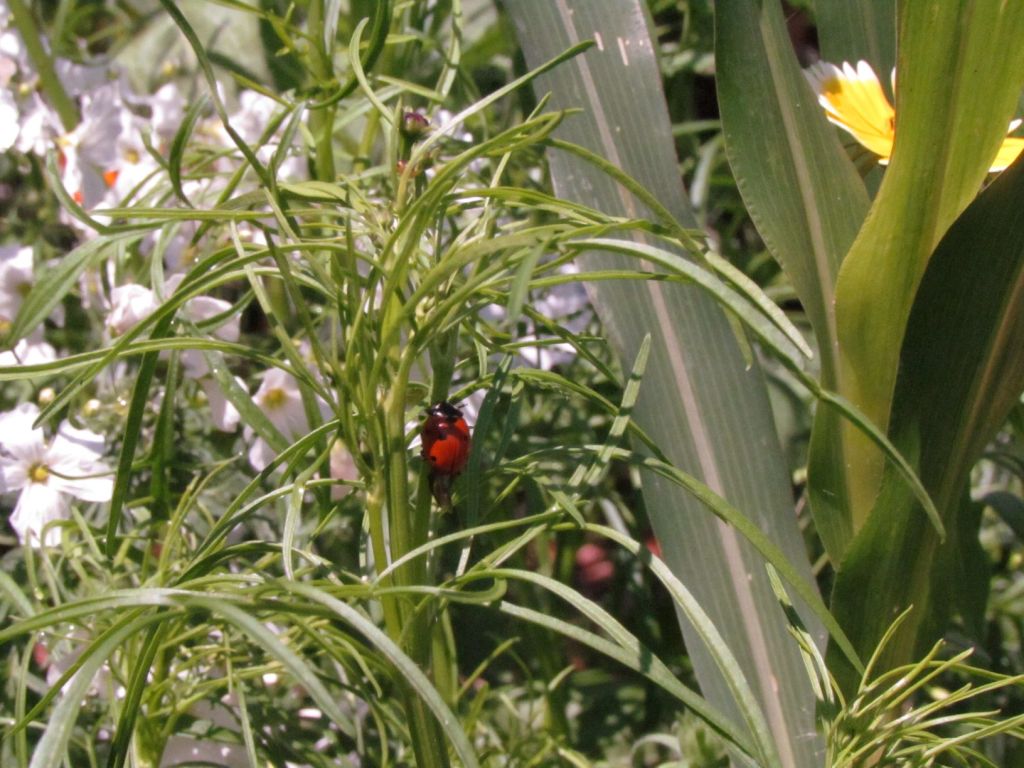
Peter W. is now working hard on his new discoveries on radishes, turnips and swede. He has finally managed to understand how they communicate with each other and how they have developed a much more toxic kind of oxalate through their little thorns whenever a toxic product is present in the garden. A new form of self-defense of the plant kingdom against toxic products against nature and a great victory for the environmental cause! Scientists can, for their part, develop an antidote remedy and that’s how, on a beautiful August morning, the 40 gardeners finally emerge from their coma.
On café terraces, at the corner bakery, at the newsagent’s, on markets, people only talk about this affair, and the talk is going well to reduce the influence of the chemical lobbies in the gardening sector. This localized ecological crisis has finally given visibility to the mayors’ action against pesticides and many villages are now entering a transition period. The state and the lobbies can no longer attack these visionary mayors who have now gained the support of all citizens.
Par Nathalie
Translated with http://www.DeepL.com/Translator (free version)
 Rencontres et découvertes, ici et ailleurs