Just two months ago, it was the height of summer. This is the period between July and August, when June is far enough away to have faded from our minds, and September is still too far away to be a concern. It is an in-between period when time expands and one begins to dream that it might come to a standstill there, quietly, gently, lazily. It would then be a kind of eternal present, made of pleasant temperatures, long evening walks, working in a « summer » atmosphere on a human rhythm at last, time spent on café terraces, light clothes… a magical time! This year the summer heart has taken on a special consistency. It was certainly due to Miss Covid-19, that naughty old maid from who knows where. Seemingly harmless at first glance, she turned out to be quite dangerous, especially if one is not careful. With her bile, her whims, her treachery, her pretences and finally her profound badness, she drove away the tourists and held back the Parisians. Parisians have become « tourist at home », and real tourists are very rare. All this gave this summer heart an even more immobile and timeless character. This time has remained magical, but with a strange character.
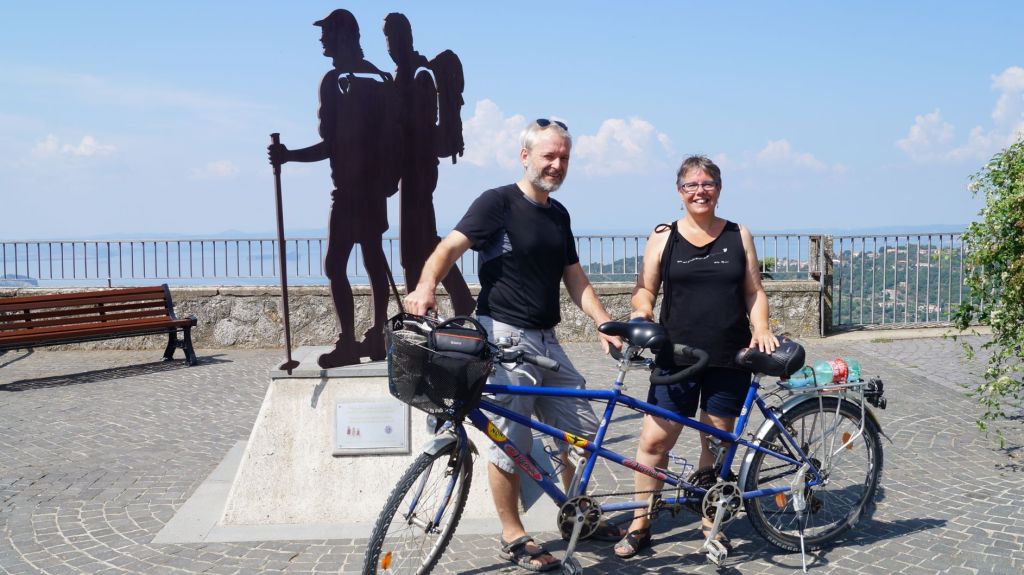
One of those Sundays was the occasion for us to take the tandem out. You don’t recognise the Parisian landscape, it’s normal, the photo is from 2016, during a holiday on the shores of Lake Bolsena in Italy: I wanted to show you the tandem and I didn’t have any other photo. And we went for a ride, in the direction of the Buttes-Chaumont. Why the Buttes-Chaumont? Nathalie had read – I can’t remember where – that not far away, just behind, upwards, there are some flowered streets that are worth the diversion, as are the Buttes themselves. So let’s go on our way, while taking the time to stop for a few photos, to the sandstone of what catches the eye and offers a bit of the magic that makes the particularity of this full summer heart.
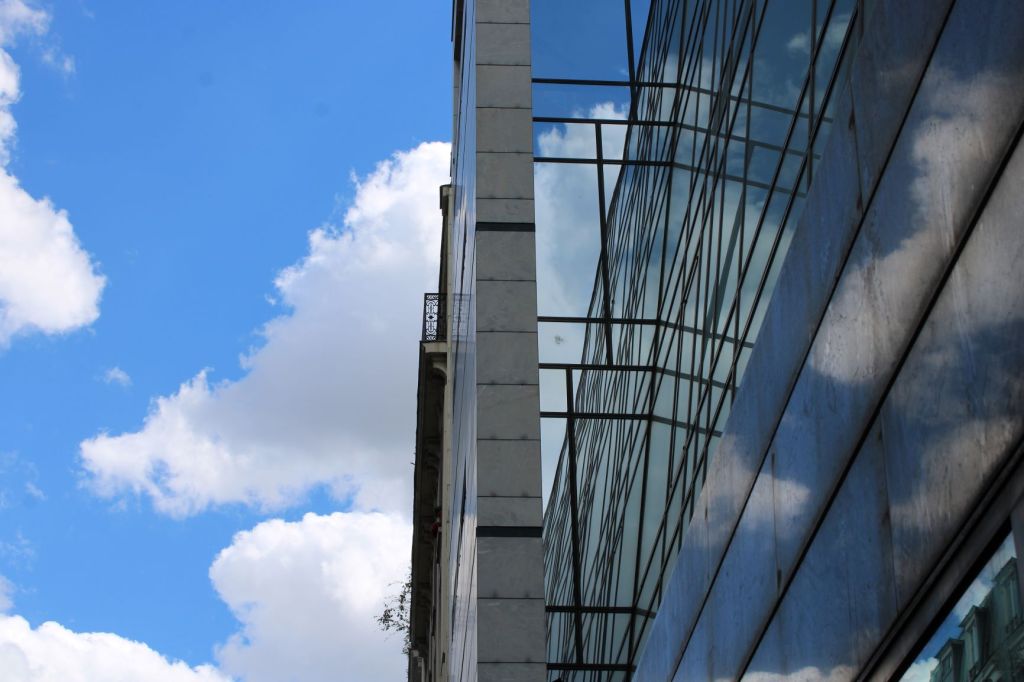
Fool the eye. Voluntary or not? Mystery! But what a curious idea to keep an old stone façade and build a glass building against it… Is it to let the clouds inside?
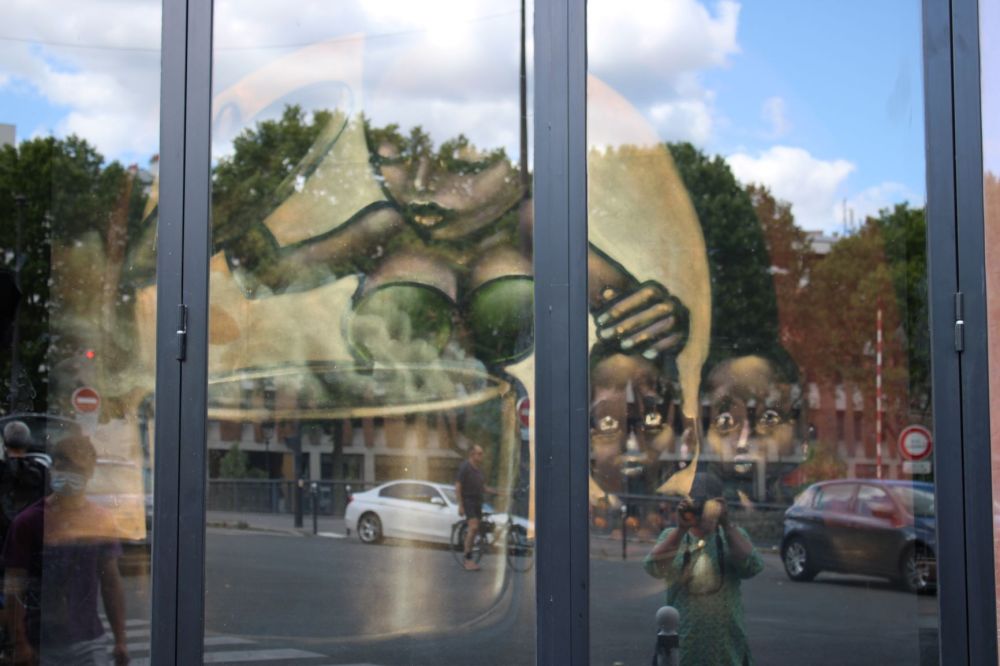
Photographer captured in his own picture, thanks to the reflection of a glass pane. Mother with a smile on her face. Round eyes of two children probably, surprised by this curious guest, who photographs the moment when a good meal becomes clear.
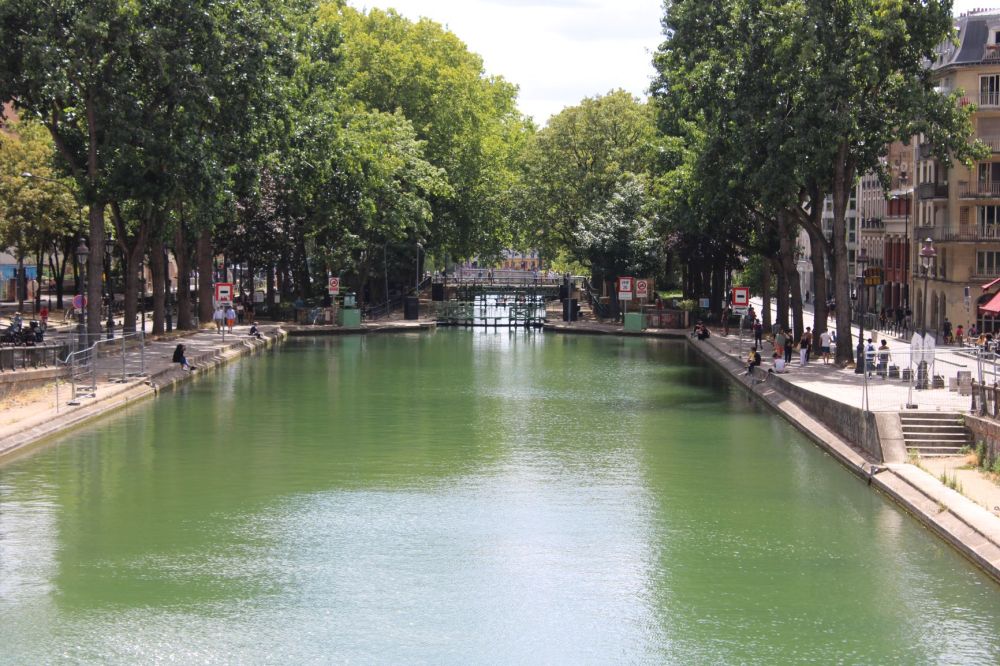
The Saint Martin canal, with its doubly special atmosphere, reminds us of the famous film « Hôtel du Nord » that so many people know without ever having seen it – which is my case – and also takes us back to the time when Paris was an industrial city criss-crossed by barges loaded with goods destined for all sorts of factories, workshops or shops. Les Enfants du Canal also evokes a time when people had not yet given up on eliminating poverty.
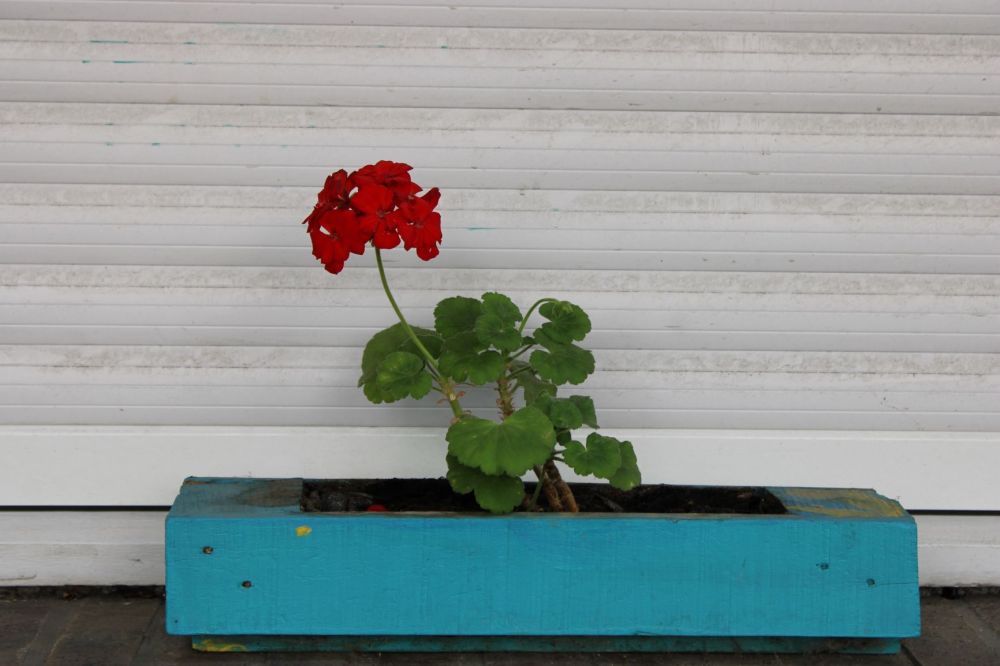
It only takes so little to add a little life, colour and make the pollution a little less unbearable. In addition to being pretty, the plant always stays clean, unlike shutters, walls and paintings. It attracts the eye, and transforms an ugly corner into a painting that could be entitled « all is not lost ».

A little corner of greenery, closed by a gate straight out of Alice’s wonderful country. But the many posters that hang there testify to an intense activity during school time. No doubt it too must rest, giving us a little air of freedom, even madness, under the watchful eyes of the austere brick buildings of the 60s.

Here we are at the Park. « With nearly 25 hectares, the Buttes-Chaumont Park is one of the largest green spaces in Paris. Inaugurated in 1867, during the last years of Napoleon III’s reign, it was designed by the engineer Adolphe Alphand, » says Wikipedia. At the foot of it was the gallows of Monfaucon, the site of the executions of royal justice from the Middle Ages until the end of the 18th century, then a stone quarry, then the Paris slaughterhouse dump, and finally a magical garden that corresponds well to this very special summer heart, since this « English garden imitates a mountain landscape: rocks, cliffs, streams, waterfalls, caves, mountain pastures, lookouts », Wikipedia tells us. Well, the photo offers us a view of the southern tip of the park… really not crazy, let’s be honest! But the « tourist at home » seem to find relaxation and idleness there.
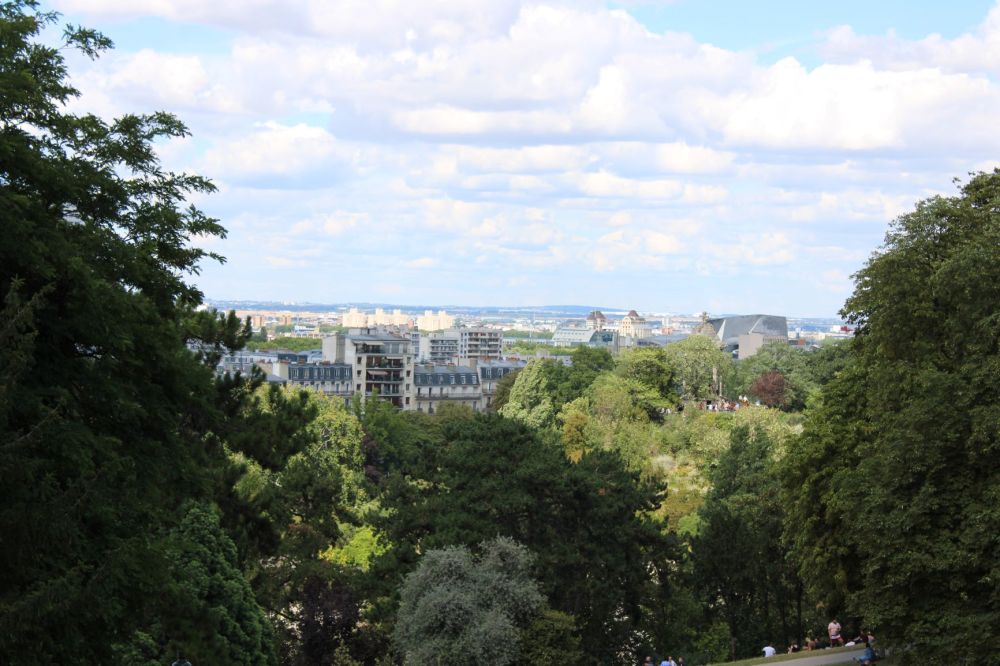
We resume our walk following a path that climbs up through the trees and coppices, then suddenly the trees tear apart, and finally offer us a wider view than the few buildings in the foreground. It is a north-facing panorama, with old large mills in the distance. Closer, to their right, the City of Music. Much further away, the forest of Montmorency and other heights concealing a whole network of old forts which protected Paris from invasions until the end of the 19th century.
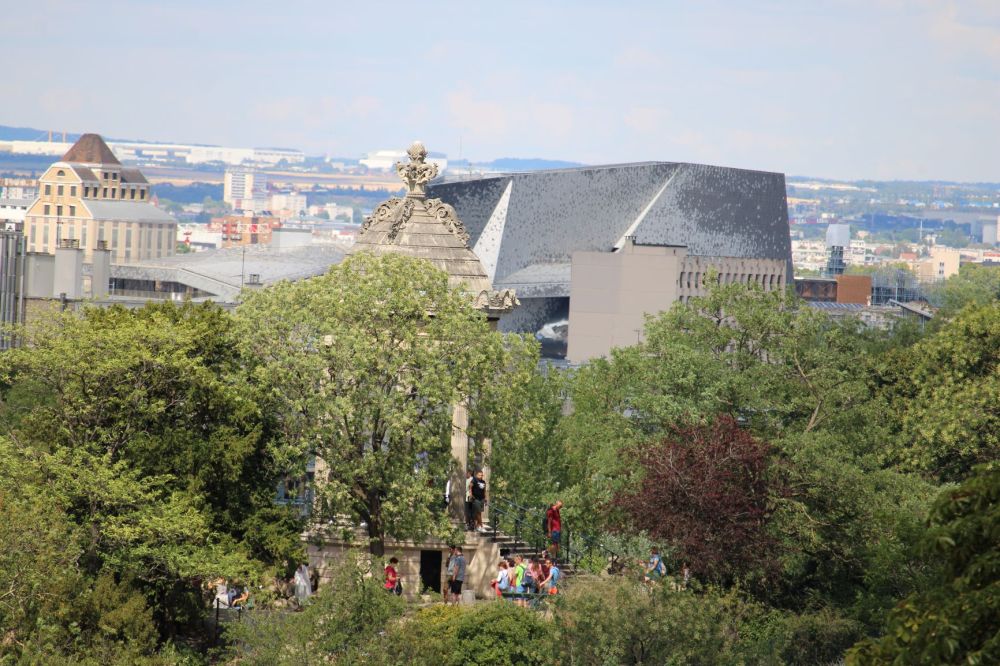
The photographer zooms in, and, a little crookedly – no doubt he is beginning to feel the intoxication of this park and this summer heart – the temple of the Sybil appears as if suspended in the trees, surrounded by a crowd of walkers, admirers, and even devotees in search of their future…
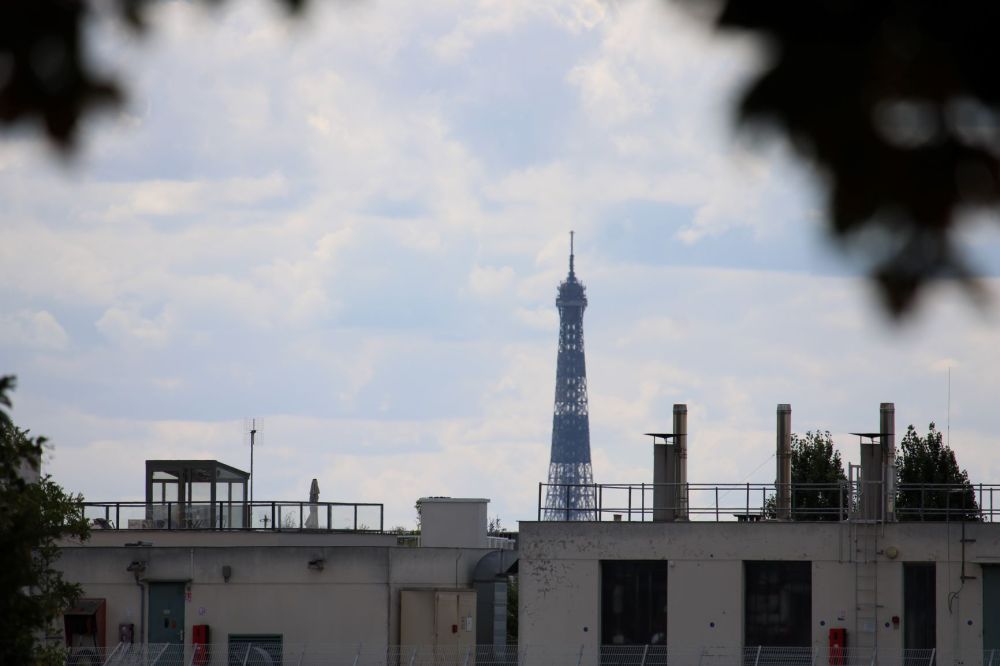
A little further on, looking back, through the foliage, and flush with the buildings, the Grande Dame appears. Could she be in need of tourists? Fed every year by several million foreign visitors, here she is in withdrawal, and no doubt sulked by the « tourist at home ». No doubt the latter cannot bear to see her now encased in glass. The cages are a hindrance to dreams and take away all the magic of this special time, synonymous with newfound freedom. Or the Grand Dame is simply jealous that she is no longer the centre of attention. So she scans over the buildings here and there, looking for a glance, for attention.
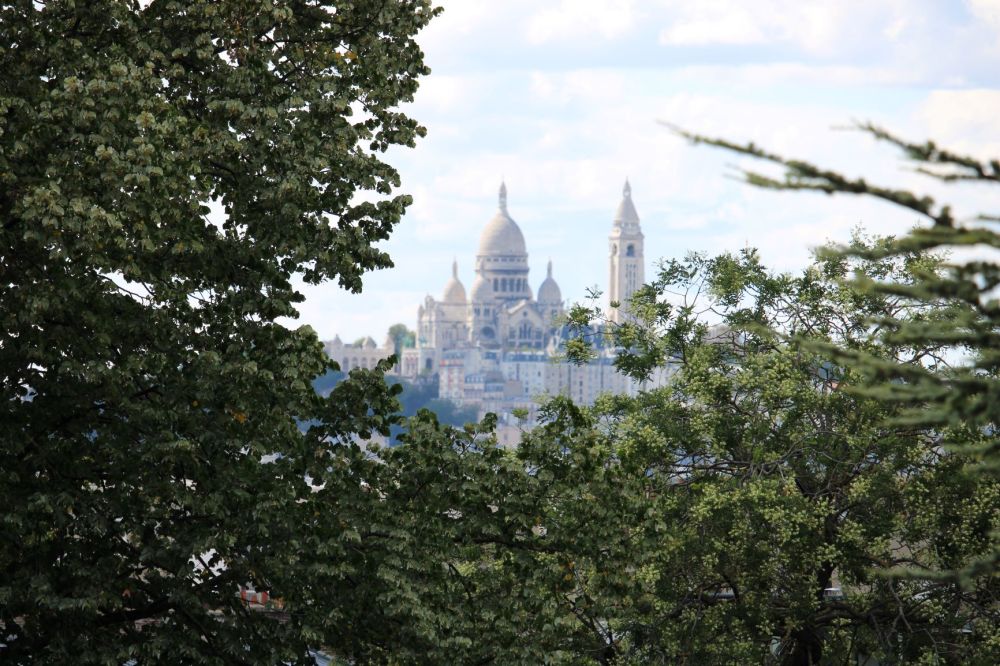
Along the way, in a hole to the east, the Sacred Heart appears. It seems to have lost its religious character, and to have passed into Neuschwanstein mode. Honoured symbol of bloody repression for some, ex-voto of thanksgiving for order and peace finally found for others, the Sacred Heart seems to do everything to resemble a romantic castle. Probably he would rather be the work of a mad prince, and make people dream, than be the sign of a bloody wound that will divide for eternity.
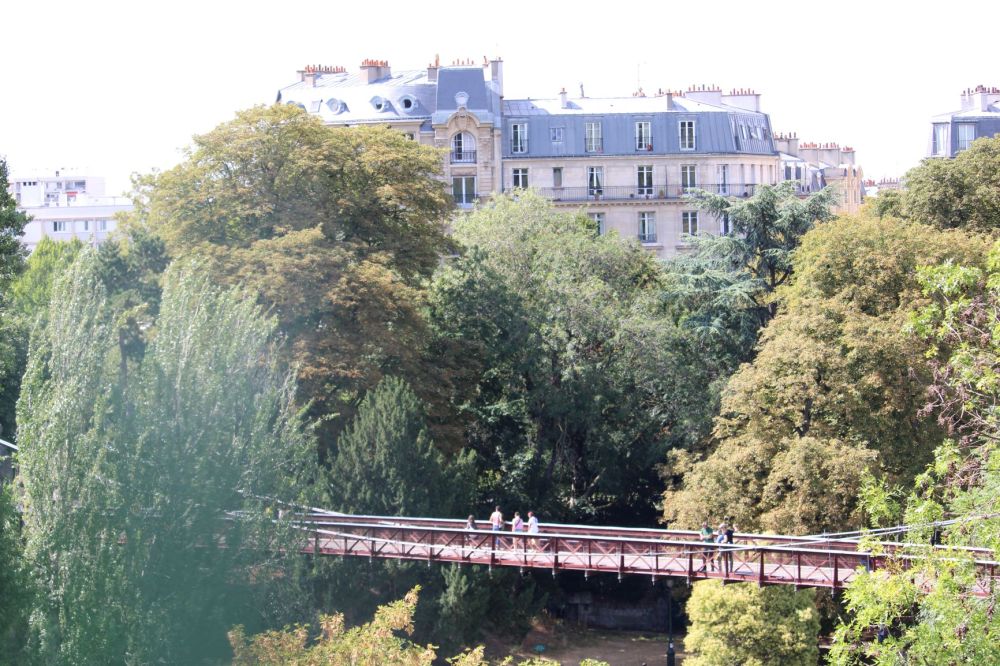
We continue to climb, and, springing from the trees and hurtling towards other trees, a suspension bridge. For the convenient passage of the « tourist at home »? No, but to make us understand physically that we are in the heart of summer, this one in-between, as if suspended in time, and free as birds or squirrels.
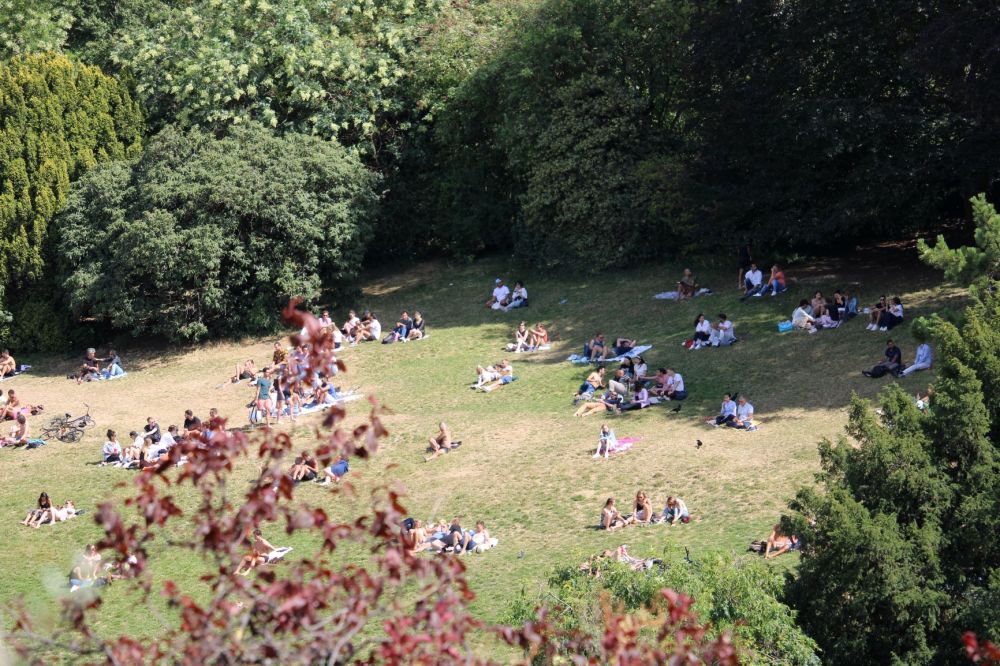
We are now going back down, and the bend in the road offers us a good view of « tourist at home » on the thirsty grass of the summer heart. Note the strict observance of physical distance. And it is said that Parisians are rebellious Gauls! Well, okay, it’s always like that in Parisian parks. The families of « luncheoners on the grass », like gas molecules, always spread out and occupy all the available space, whether Miss Covid is there or not.
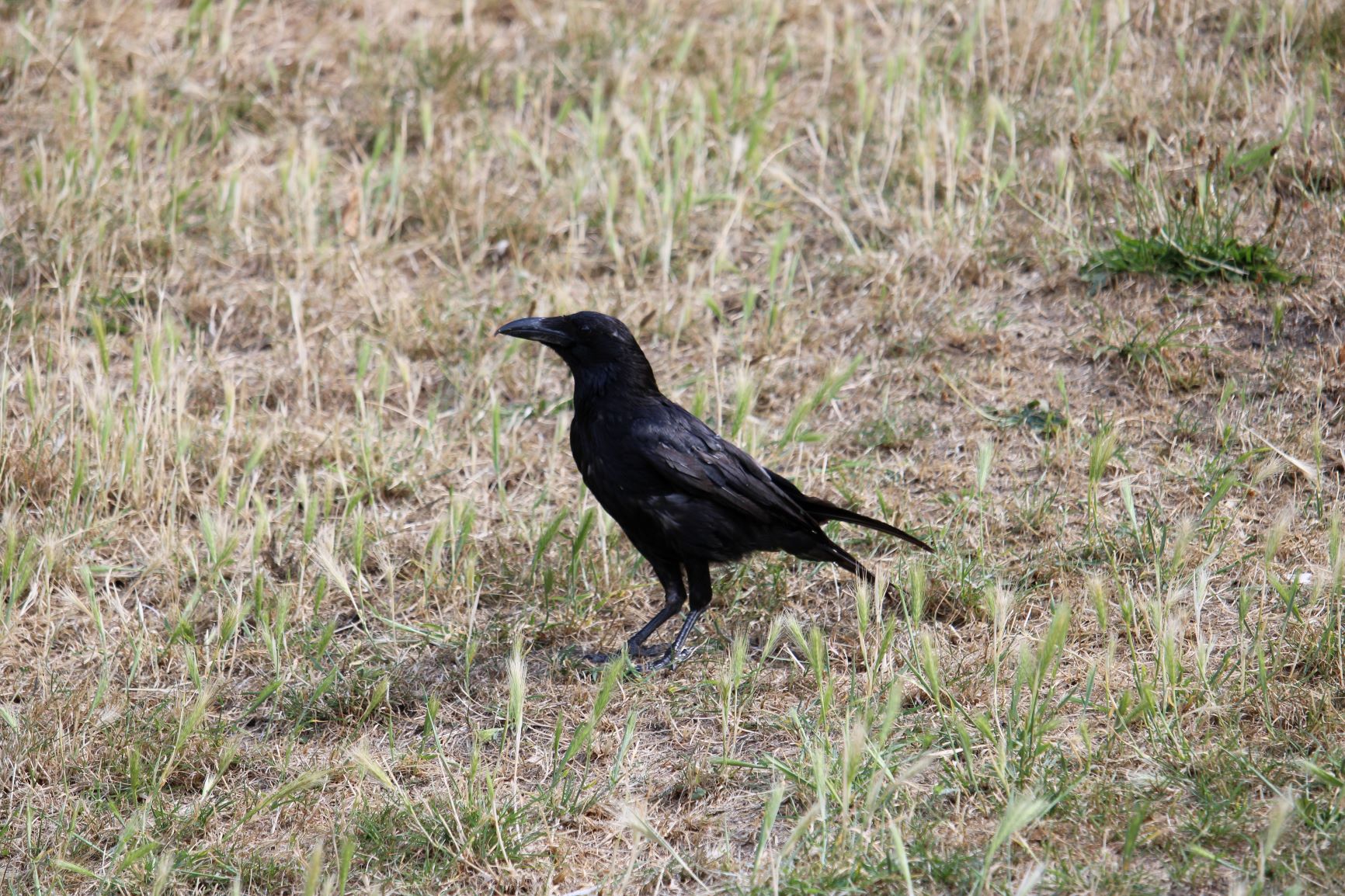
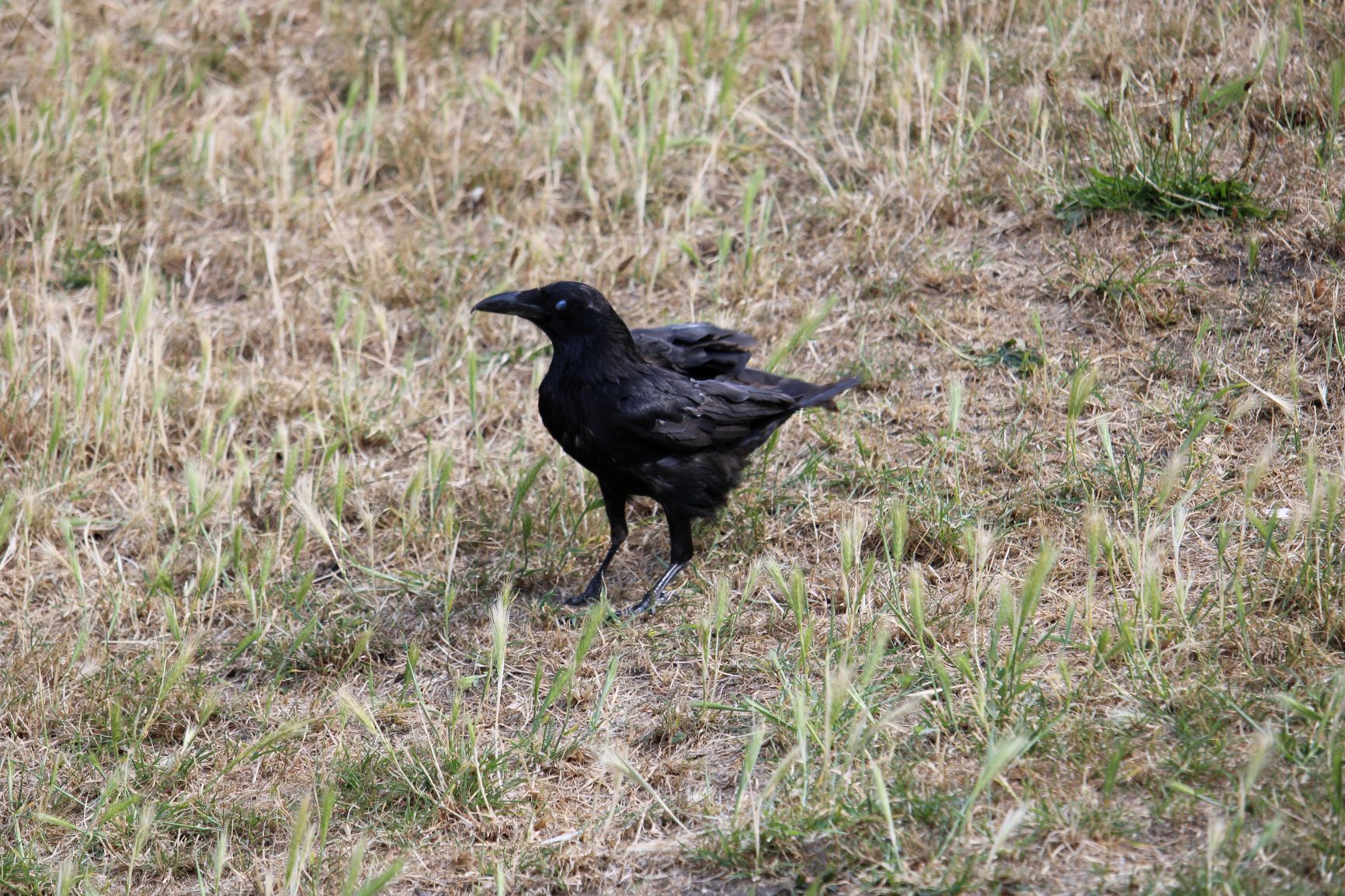
On the grass, too, another kind of « tourist at home ». These birds seem to be quite at home among the « lunchers ». It’s probably since they learned that this time they had nothing to do with the transmission of this « small flue ».
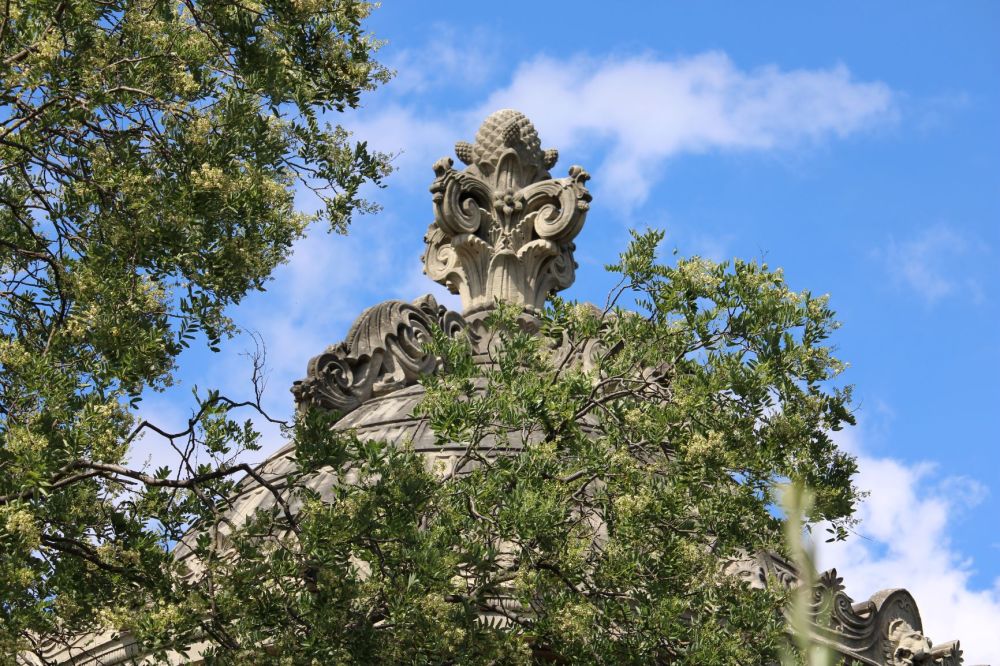
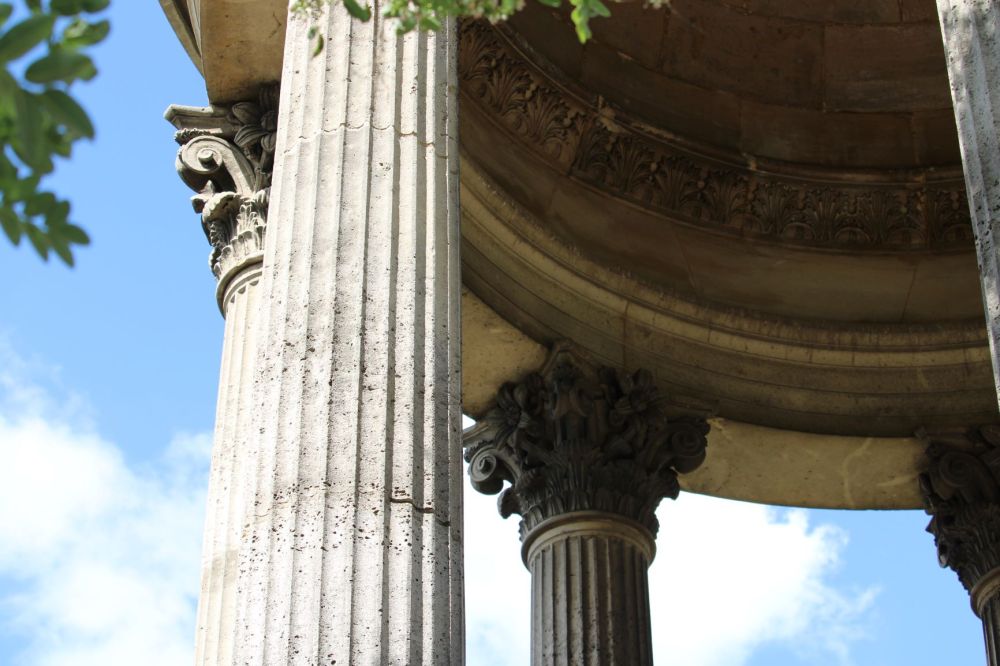
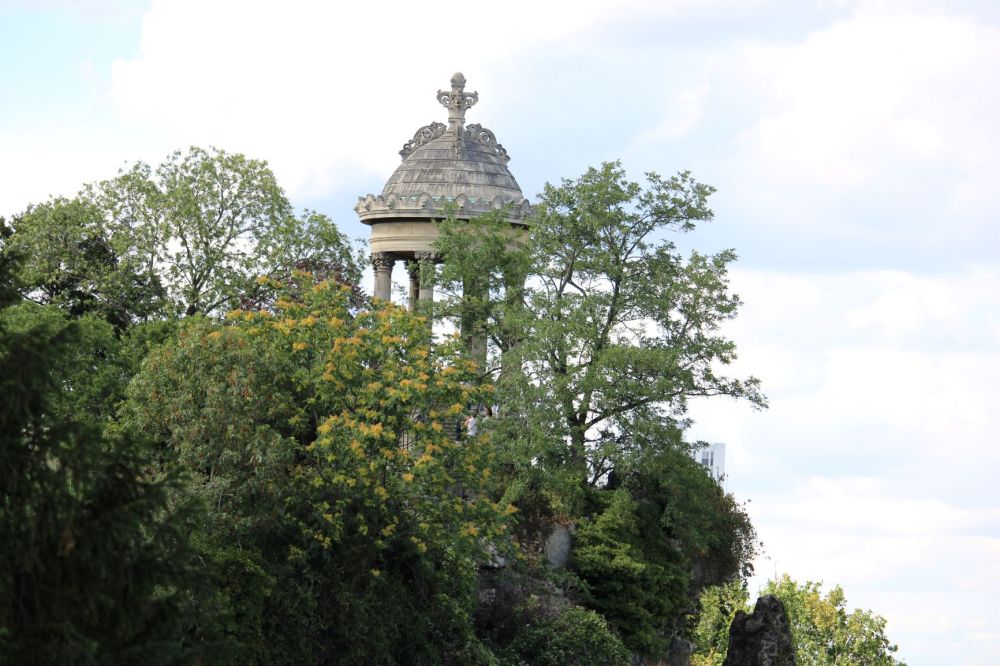
A small diversion at the foot of the temple of the Sybil and then we arrive at the very top of the park and we wonder what to think of this charming and tiny temple. Perhaps in ancient Greece the Sybillus were oracle women who predicted the future… and « sybillin » means « dark, enigmatic words ». Without doubt the future must be enigmatic, otherwise it would be terribly boring to know it: to know perfectly what tomorrow will bring is the end of surprises and wonders! But what is most enigmatic is that on the Internet, you can find Sybils and Sibyls and you don’t know who to trust to put the « y » in the right place!

Still at the top of the park, turning our gaze to the North, a line of concrete sentries. It is in their serious shade that Mouzaïa street and its tributary alleys are located, hidden under the trees and awaiting our visit.
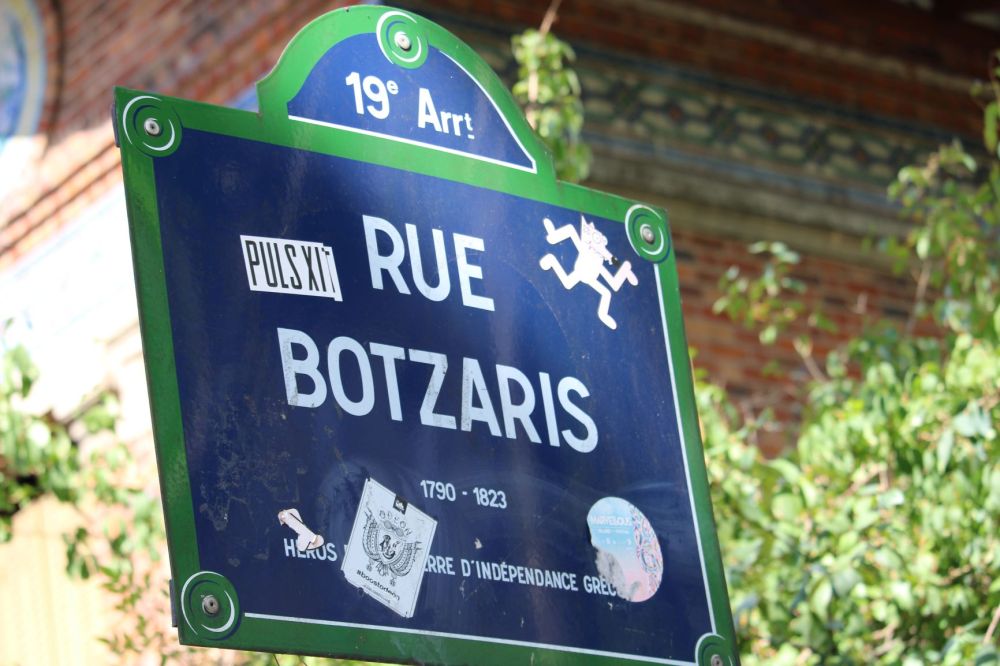
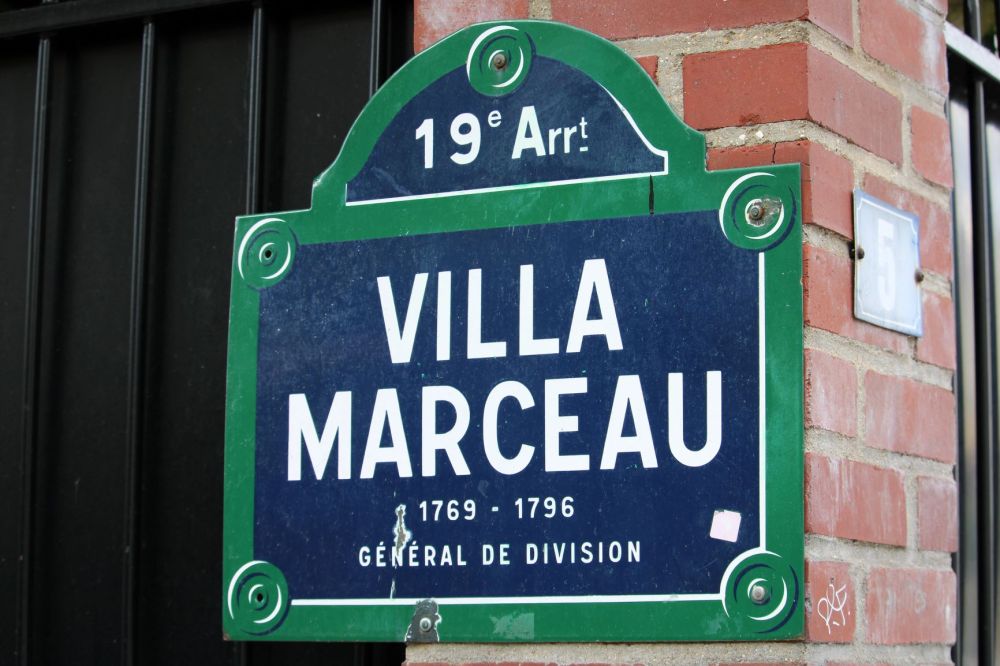
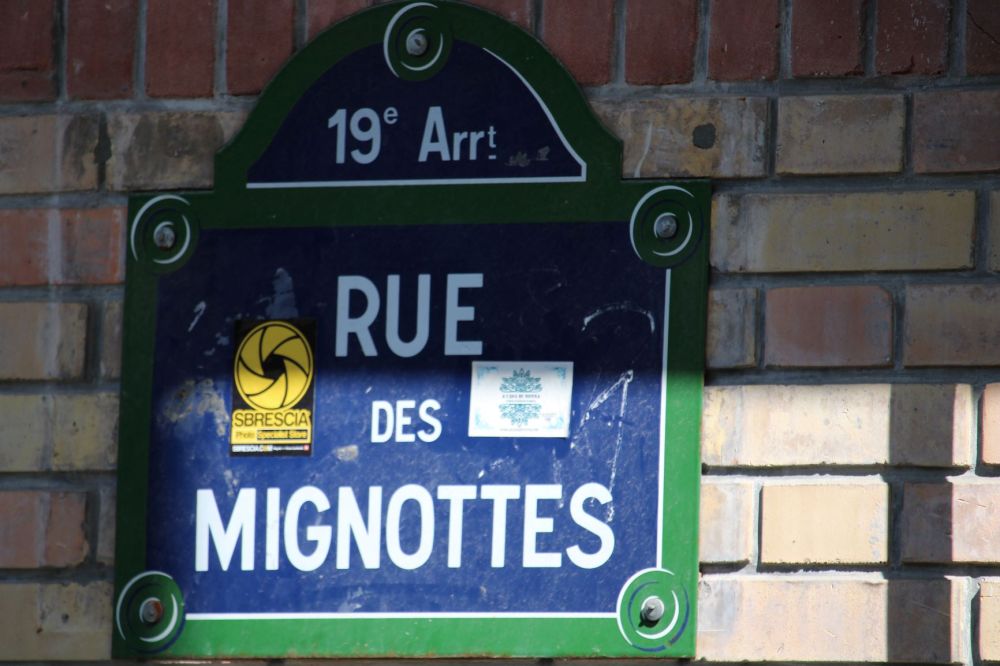
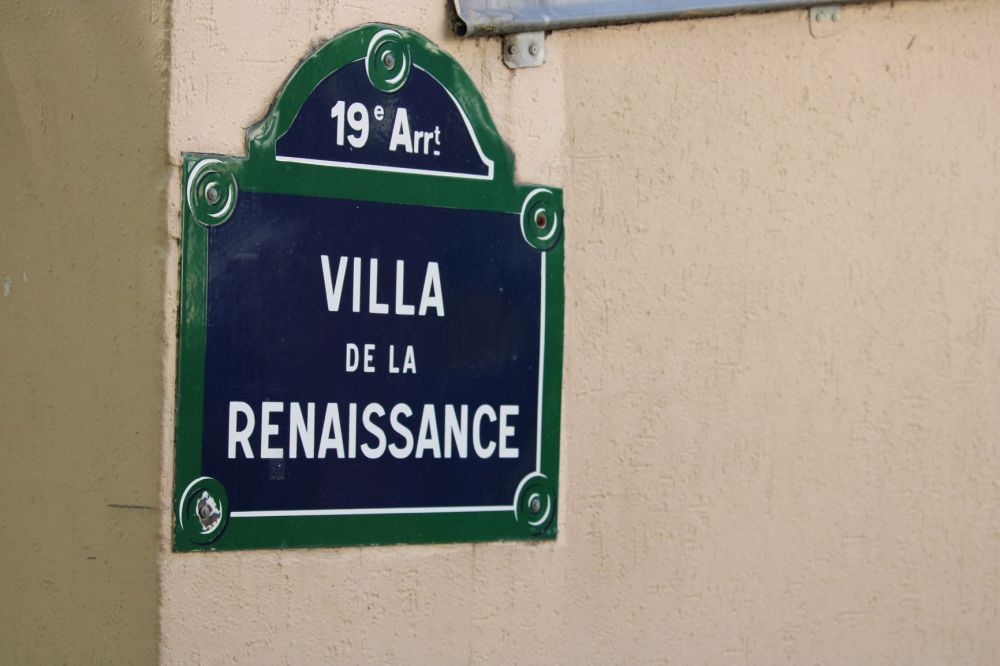
Here are some names of these famous lanes.
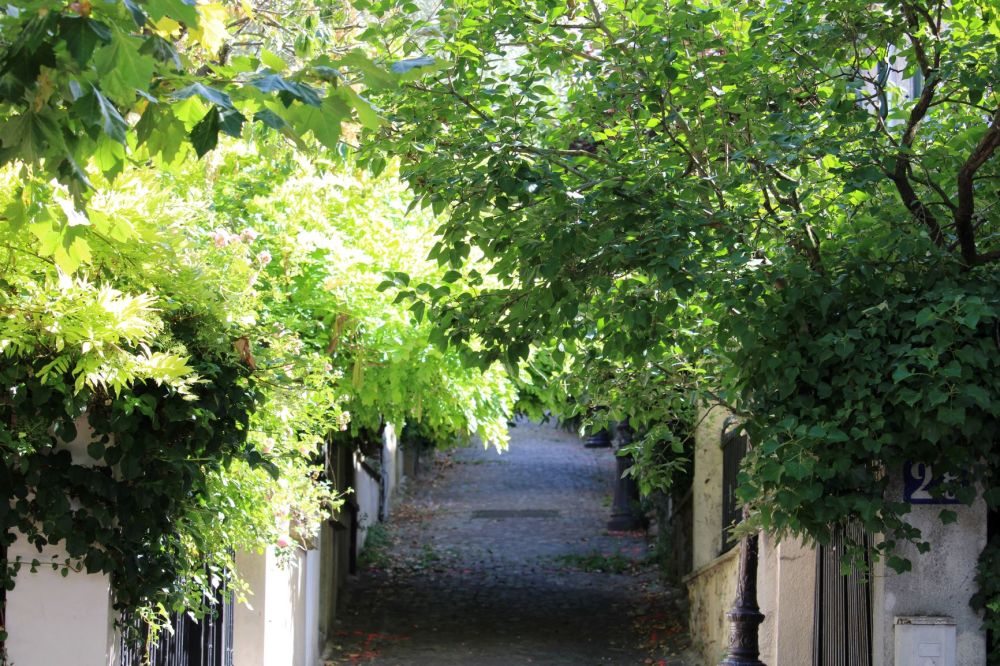

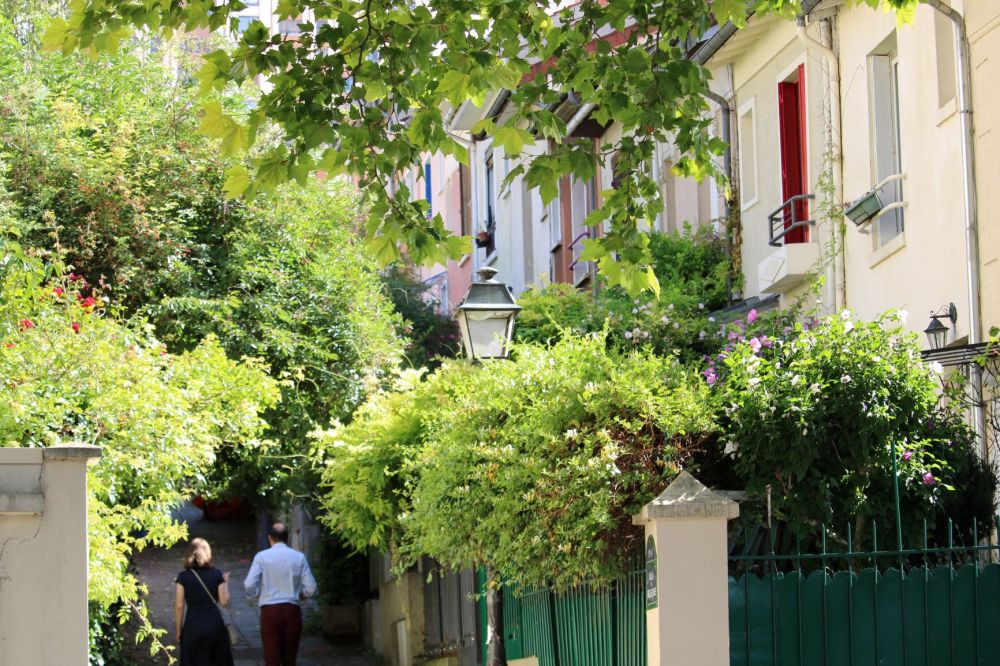
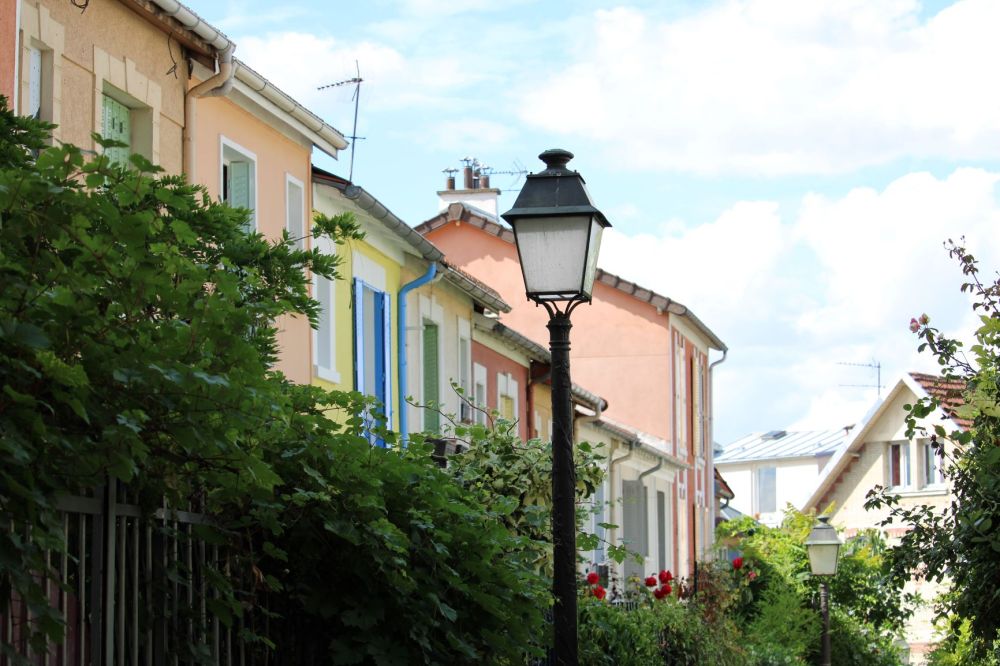
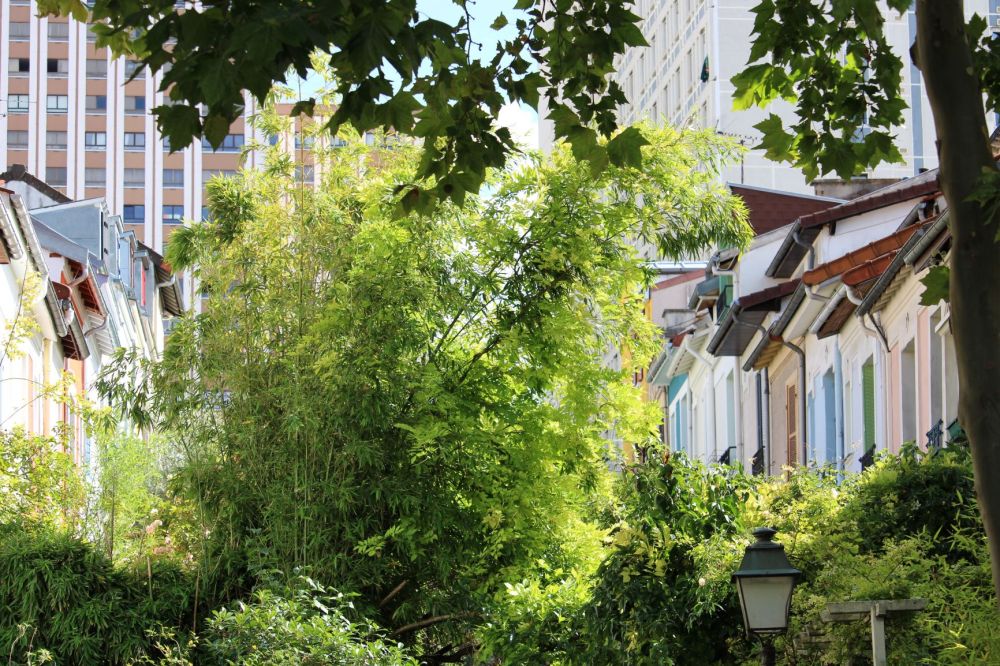
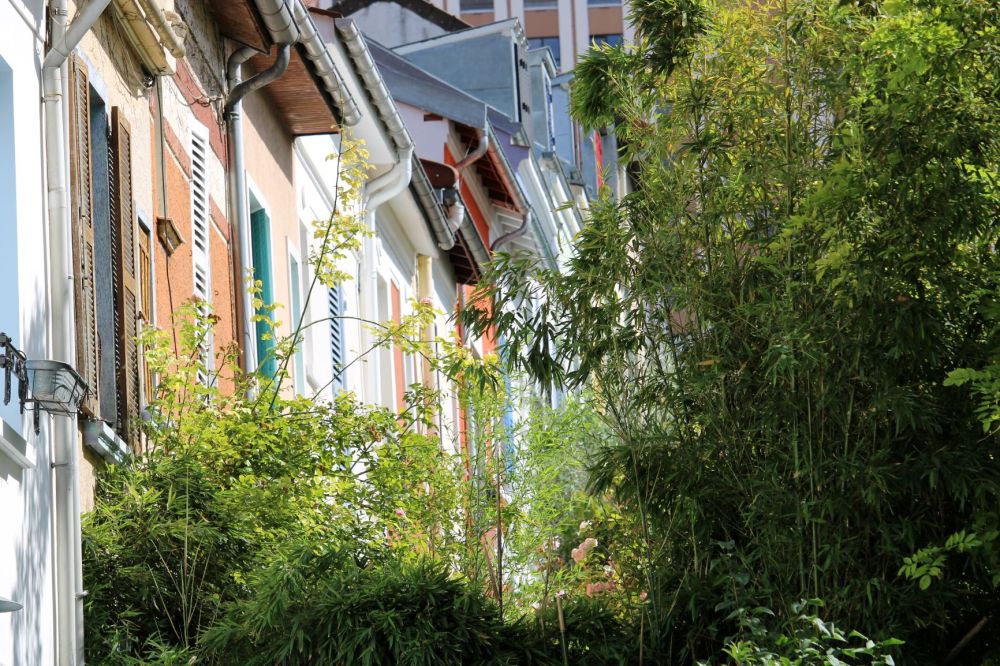


And here are the typical alleys of this neighbourhood. Note their narrowness, it would be difficult for a big car to pass through them, so they are reserved for pedestrians, pushchairs and cyclists. Sometimes the vegetation turns them into a tunnel of greenery. Many small houses on a human scale, tightly packed together, each with its own small garden overflowing with shrubs, bamboos, flowers… The whole forms a small corner of nature, spared from concrete, as if forgotten in the middle of Paris. A perfect change of scenery for the « tourist at home » of the 14th arrondissement that we have become.
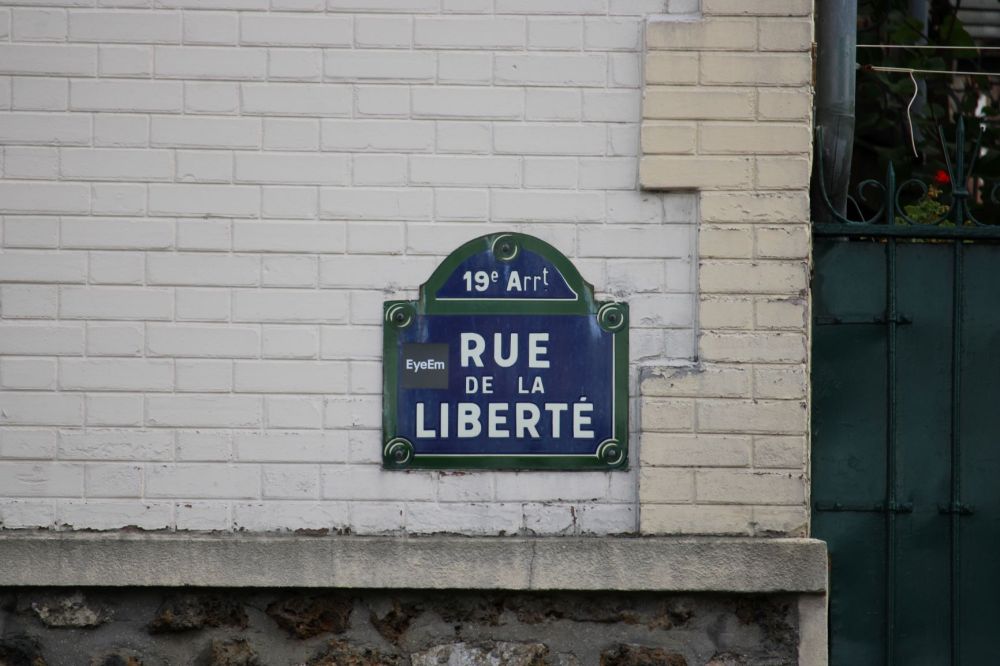
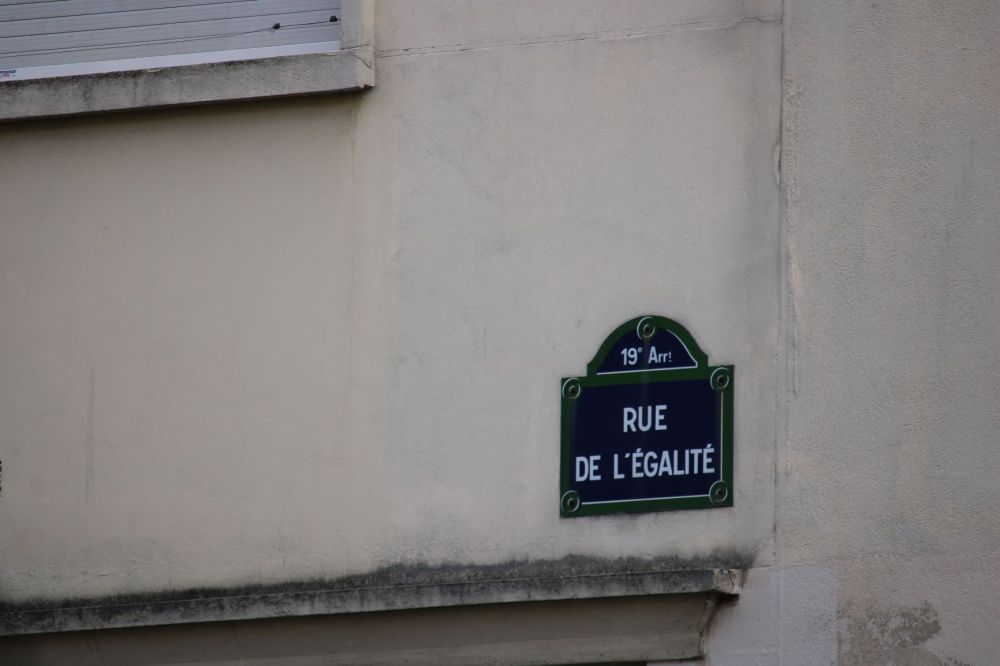

And suddenly, surprise! Towards the bottom of the district, three very special streets meet (Liberté, égalité, fraternité = « Liberty, equality, fraternity », and it is the motto of France). Three small streets forgotten in a corner of the capital of France. Three capital concepts forgotten in the country… or only by its elites? Three magic words that are only dreams? Three magical dreams that must become reality? Or which must constantly transform reality so that it is liveable and accessible to all!
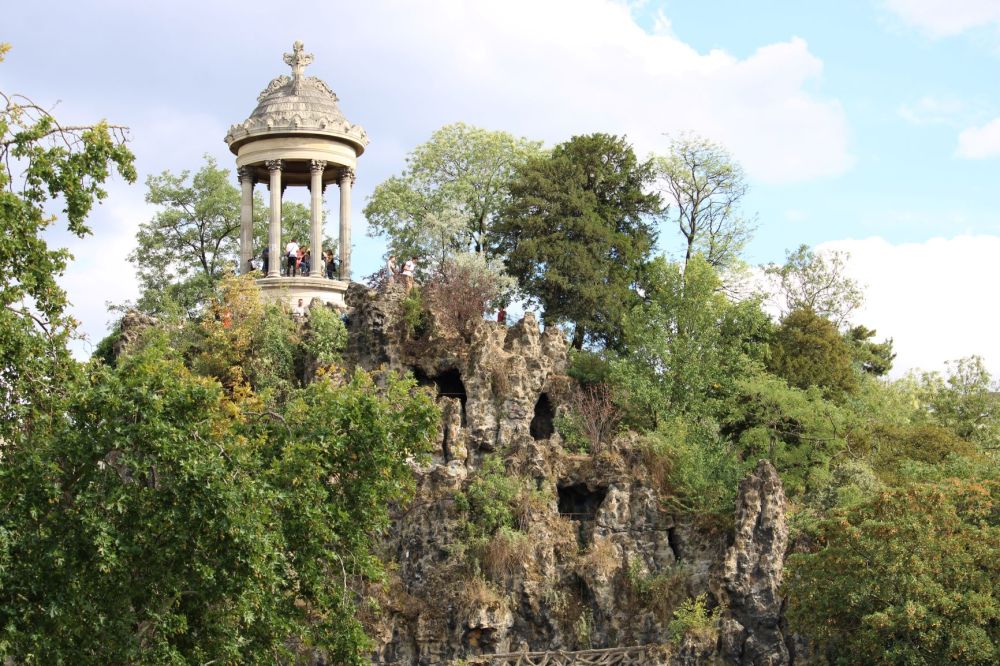
With our heads full of dreams of freedom, equality and fraternity, here we are back in the park revealing the temple of the Sibyl, but from below this time.
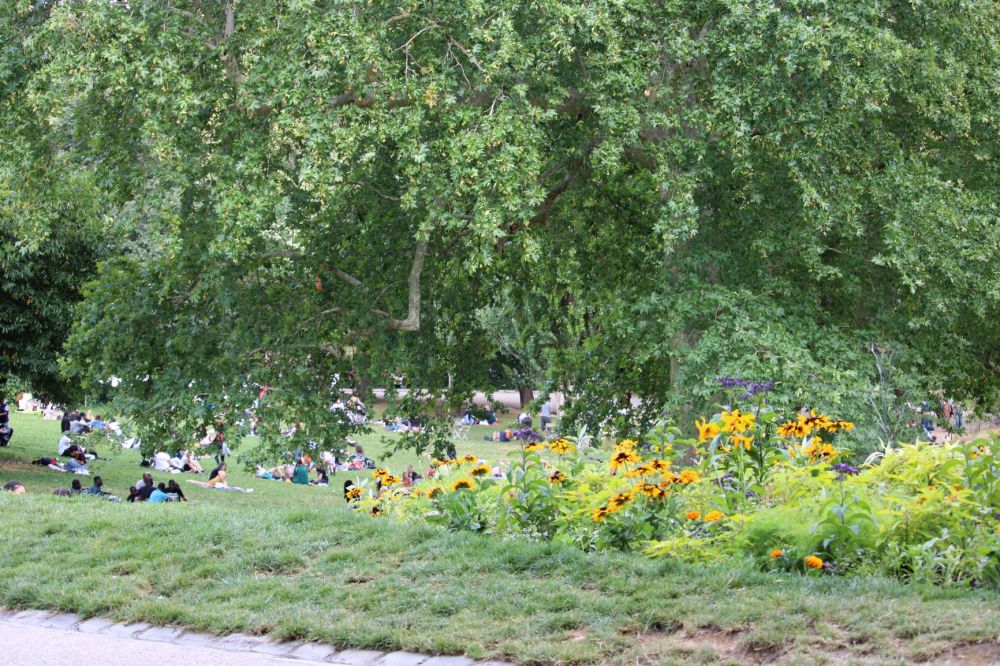
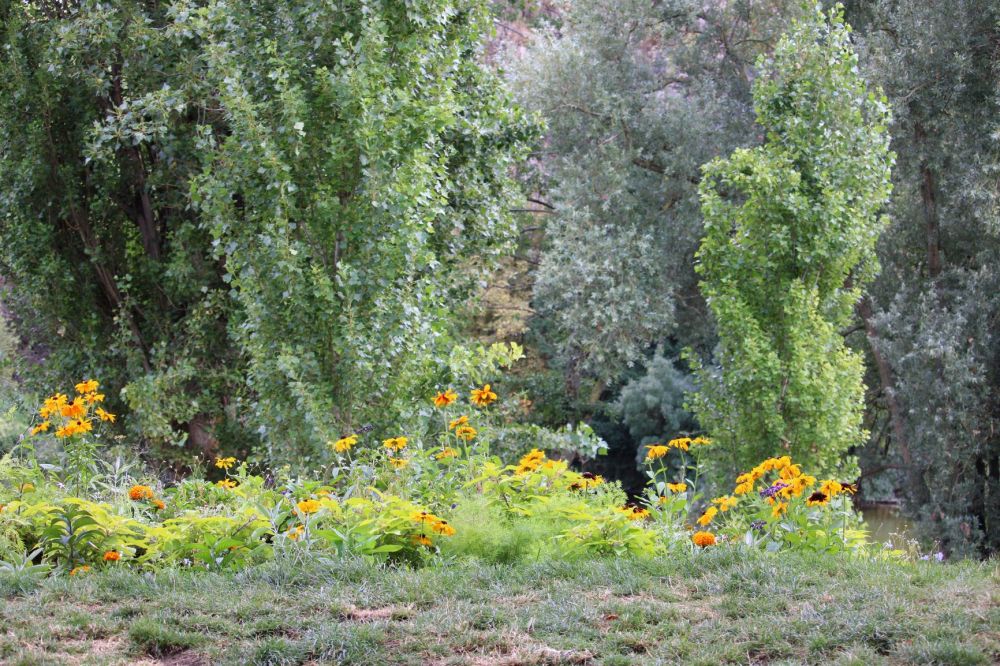
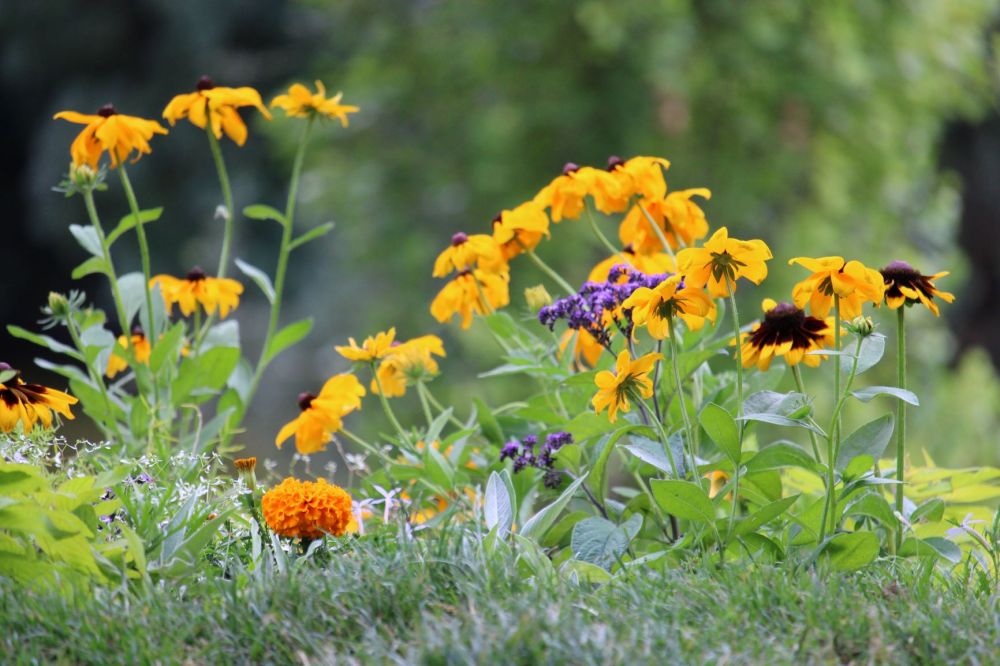
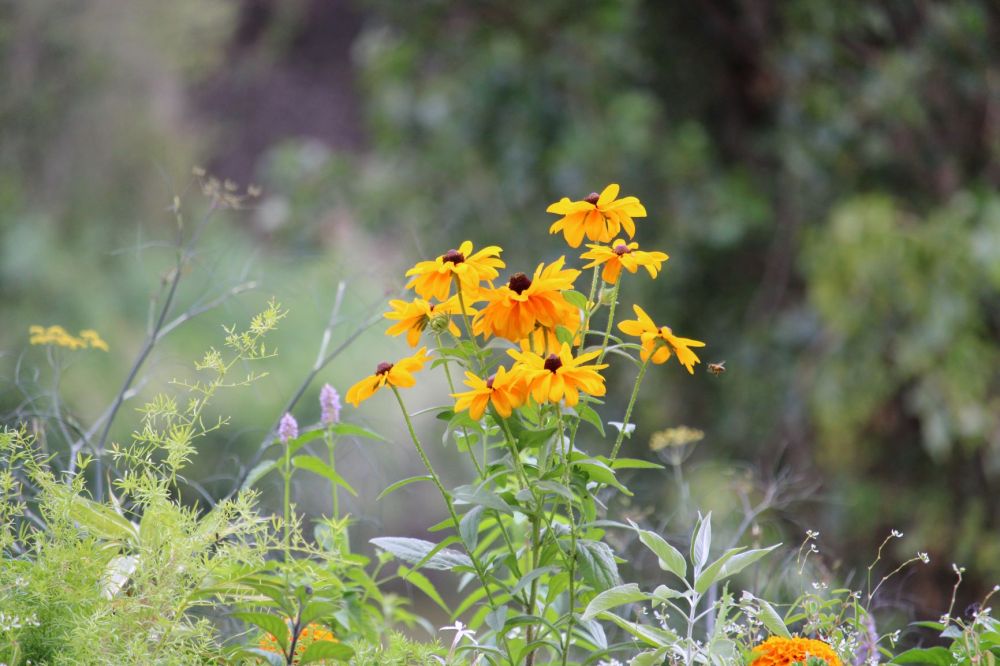
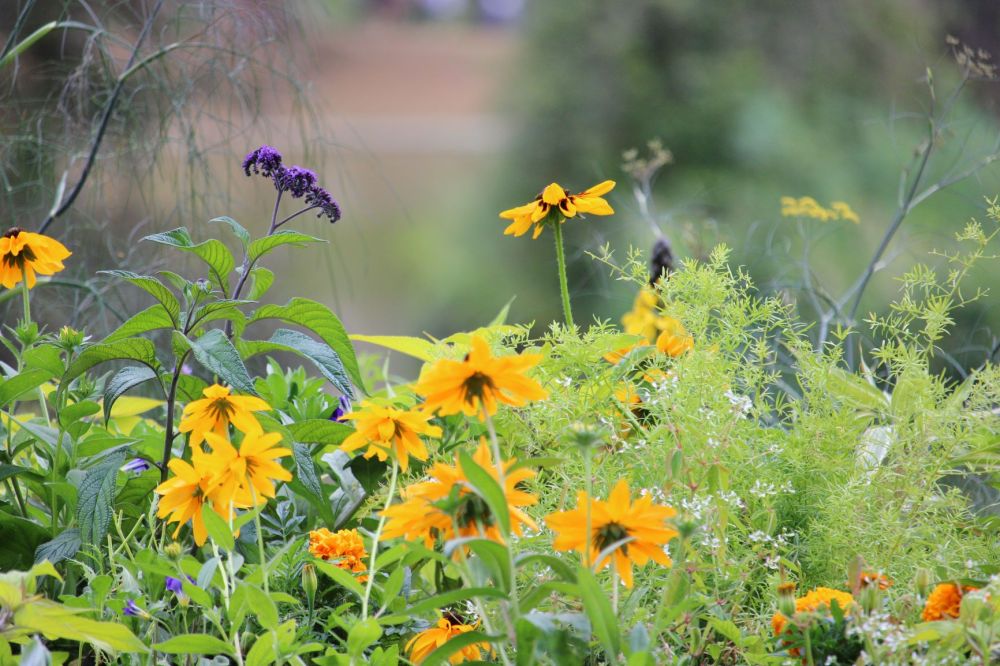
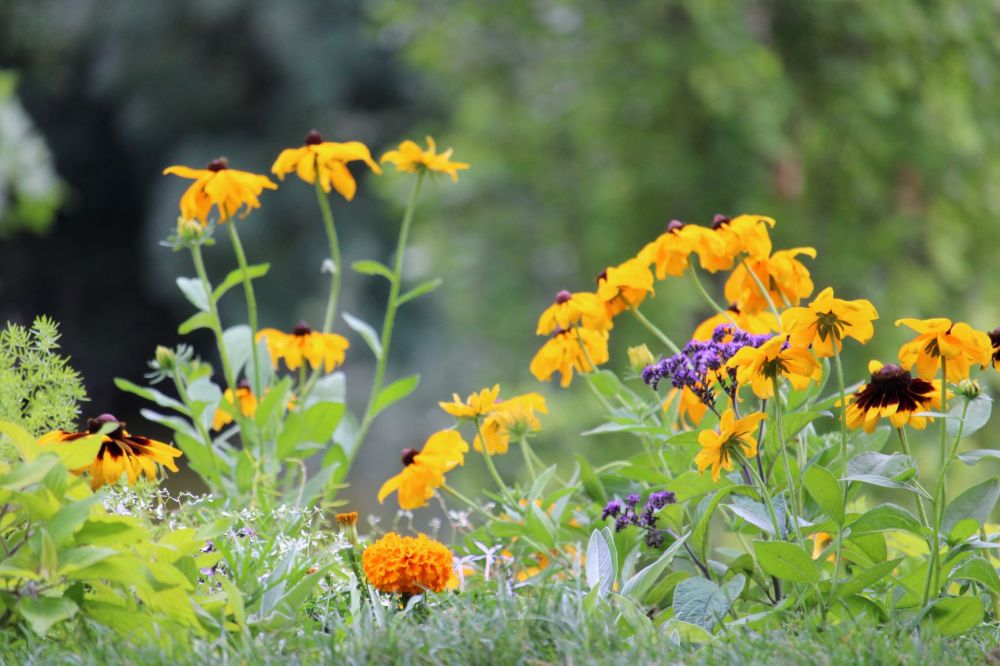
Along the way we admire some brave flowerbeds, standing in the warmth, and whose colours evoke our Indian friends, and what they made us discover about brotherhood.
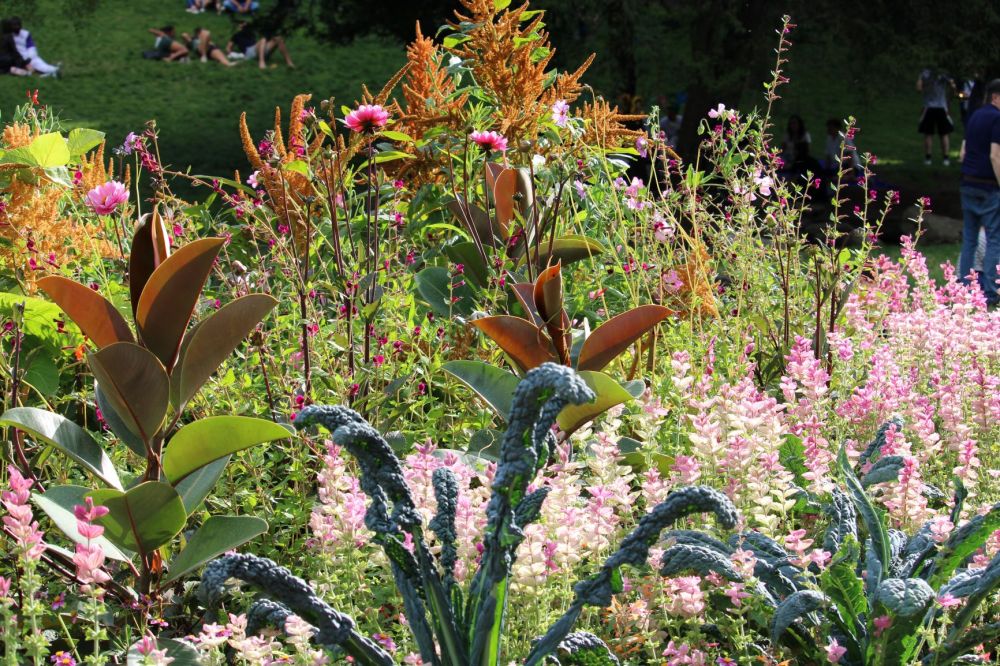


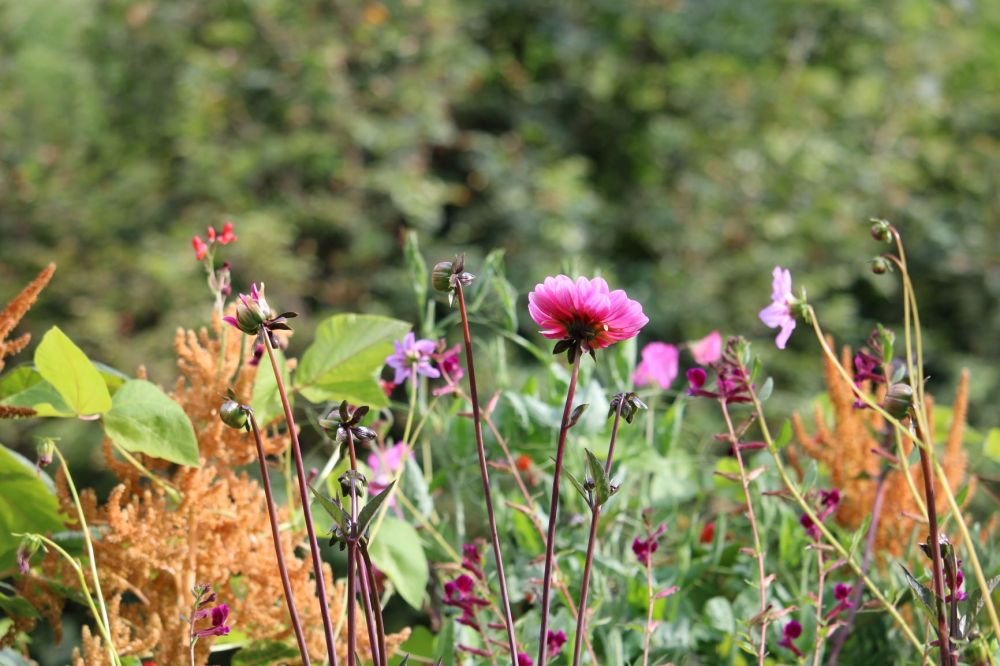
Delicate and in shades of pink, the proud flowers of these flowerbeds remind us this time of the English and the freedom they defended so well during the previous century.

And at the exit of the park, it is the house of the ophthalmological foundation which reminds us that we are all equal in front of the time… and here it is for us to return.
Phew, well attached, the tandem is always there, safe and secure. Another vast debate: is security the condition or the consequence of freedom-equality-fraternity? I would answer that… thanks to it, we didn’t have to walk home! But, if we had to choose, we would have preferred to walk home if cycling had to be at the price of a more fundamental freedom… No doubt, it makes our brains boil, our hearts boil!
Par Jean-Yves
Translated with http://www.DeepL.com/Translator (free version)
 Rencontres et découvertes, ici et ailleurs