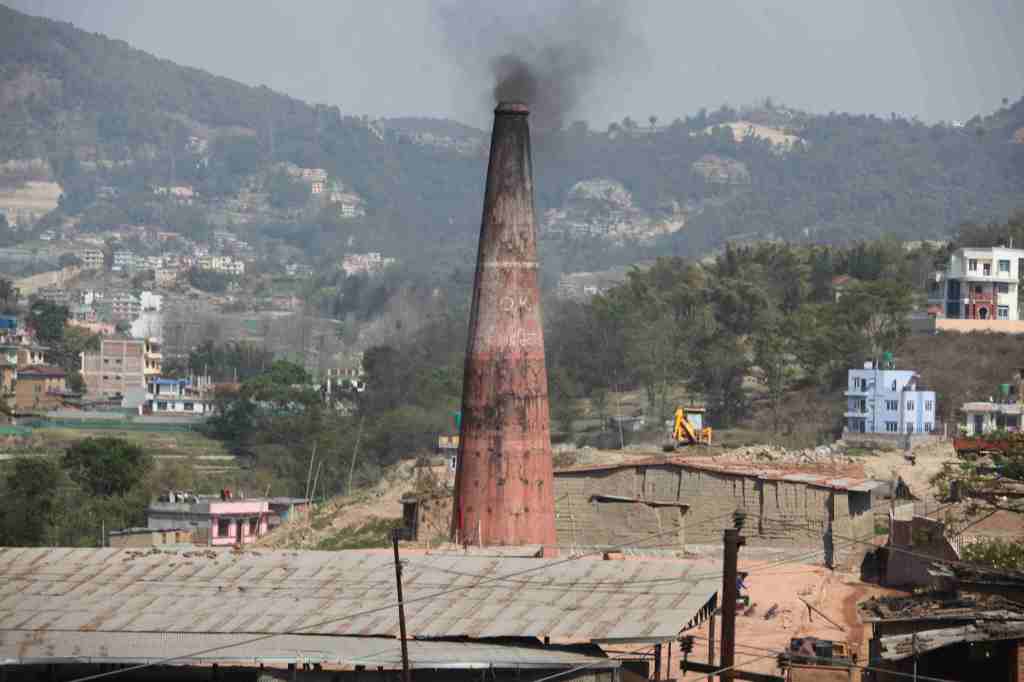
After spending the first days of our stay in the Kathmandu Valley, we are delighted to finally be immersed in a Newar family from Panauti. We take the road impatiently and discover on the way the multiple brick factories.

Shortly before arriving at Panauti, we see the new Nepalese constructions all in concrete repainted in bright colors. Jean-Yves and I do not share the same point of view on these dwellings. So we will leave it to you to make up your own mind.

Here and there, we see small spots of bright colors bustling about in paddocks surrounded by fields of potatoes all in bloom at the start of spring. They are often women who work in the brick kilns and who patiently install the bricks in the sun to dry them.

The journey is fairly quick and we have already arrived at the headquarters of the Panauti women’s association. It is always with a certain emotion that we will meet our hosts for the first time. Each immersion trip is an opportunity to experience beautiful discoveries and strong emotions. It’s always touching to know that a family is waiting for us and is ready to share their daily life with us without knowing us. It’s an opportunity to take a leap into the unknown, to discover a new culture, to immerse yourself in the daily life of a family, to perceive some bits of it, to understand certain aspects. It also means accepting not to understand everything, not to try to master everything, to respect the mysteries of each other, to remain with certain unanswered questions.
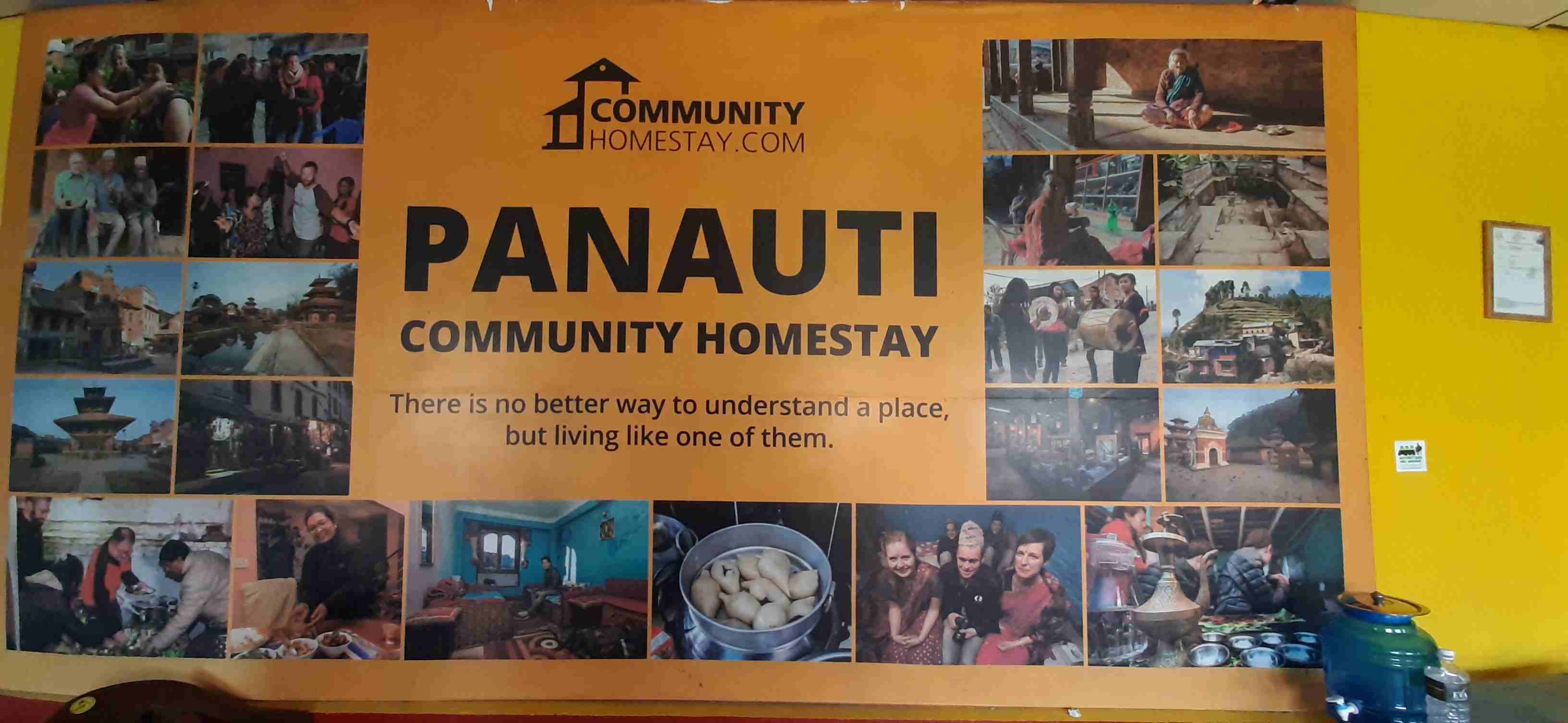
To live an immersion is to resist the temptation to capture everything in a few days, it is to accept to make dumplings that will make others laugh and that will create memories in common. It’s accepting to be pushed around, to want to learn a little more and it’s the guarantee of then wanting to change a few little things in our own lives as Westerners.
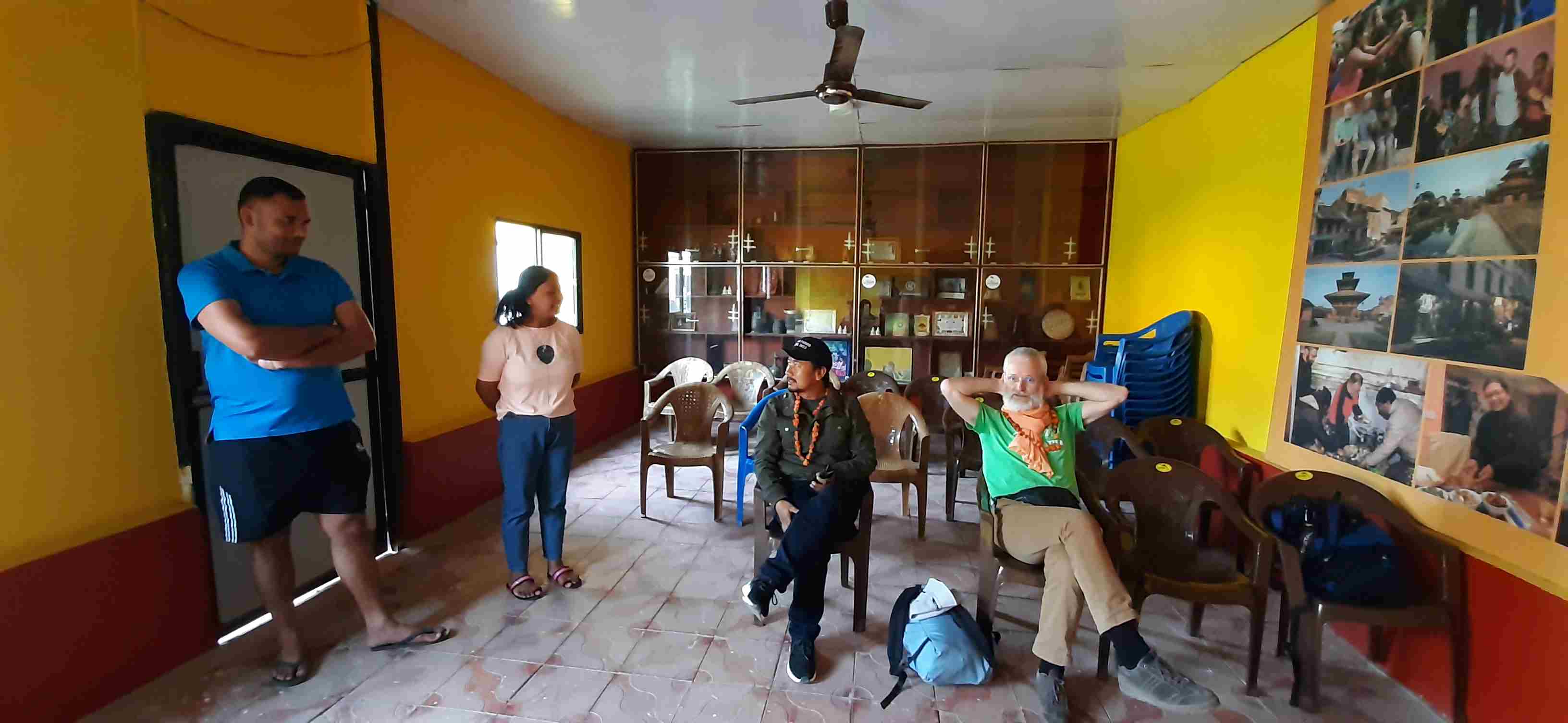
It is therefore here that we meet our host Ashish who will welcome us at his mother’s house, with his wife and sister.
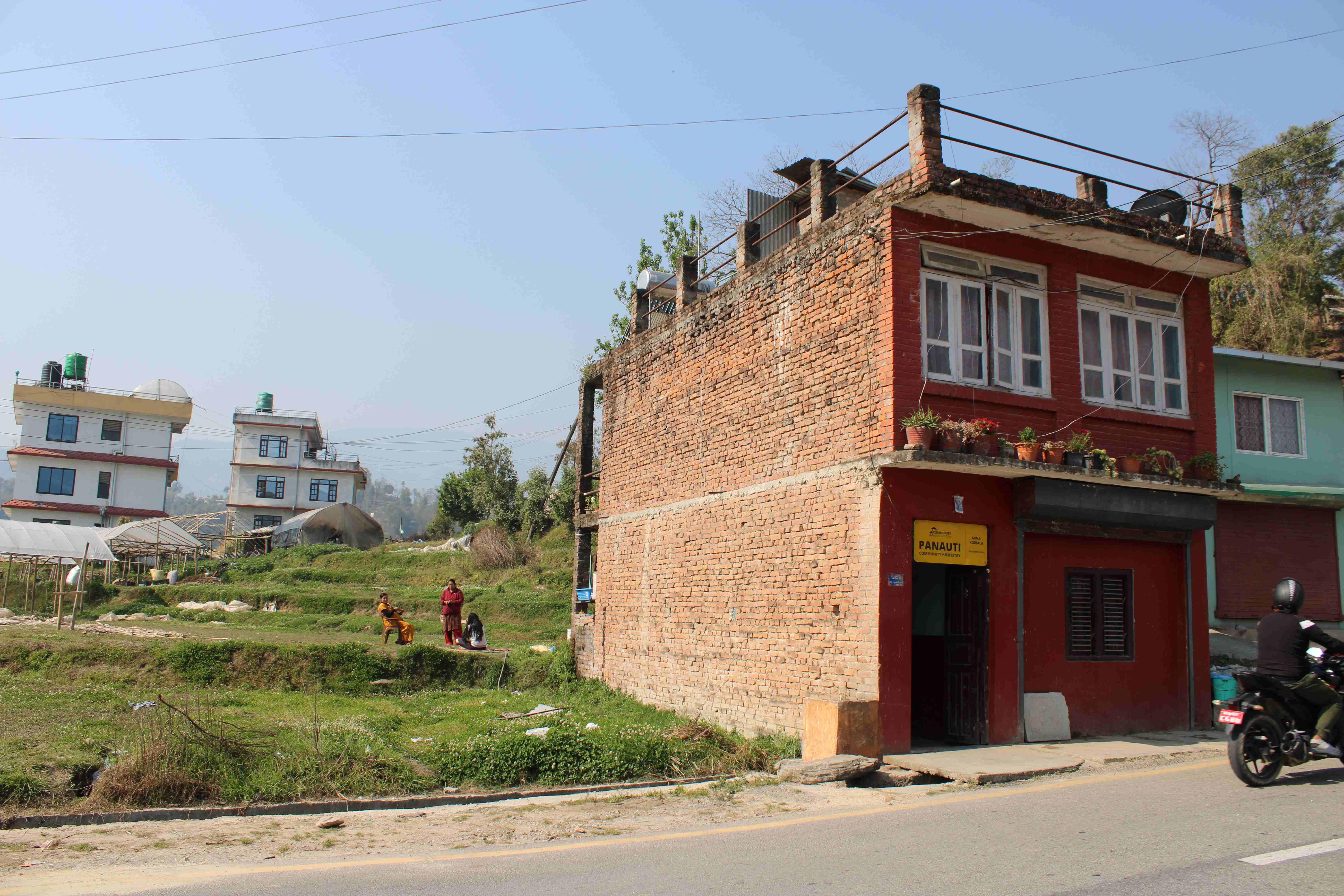
After the customary exchanges of politeness such as the delivery of superb flower necklaces and the mark of a red tikka on our foreheads, we are now going to discover Minnah’s house, where we are going to be accommodated.
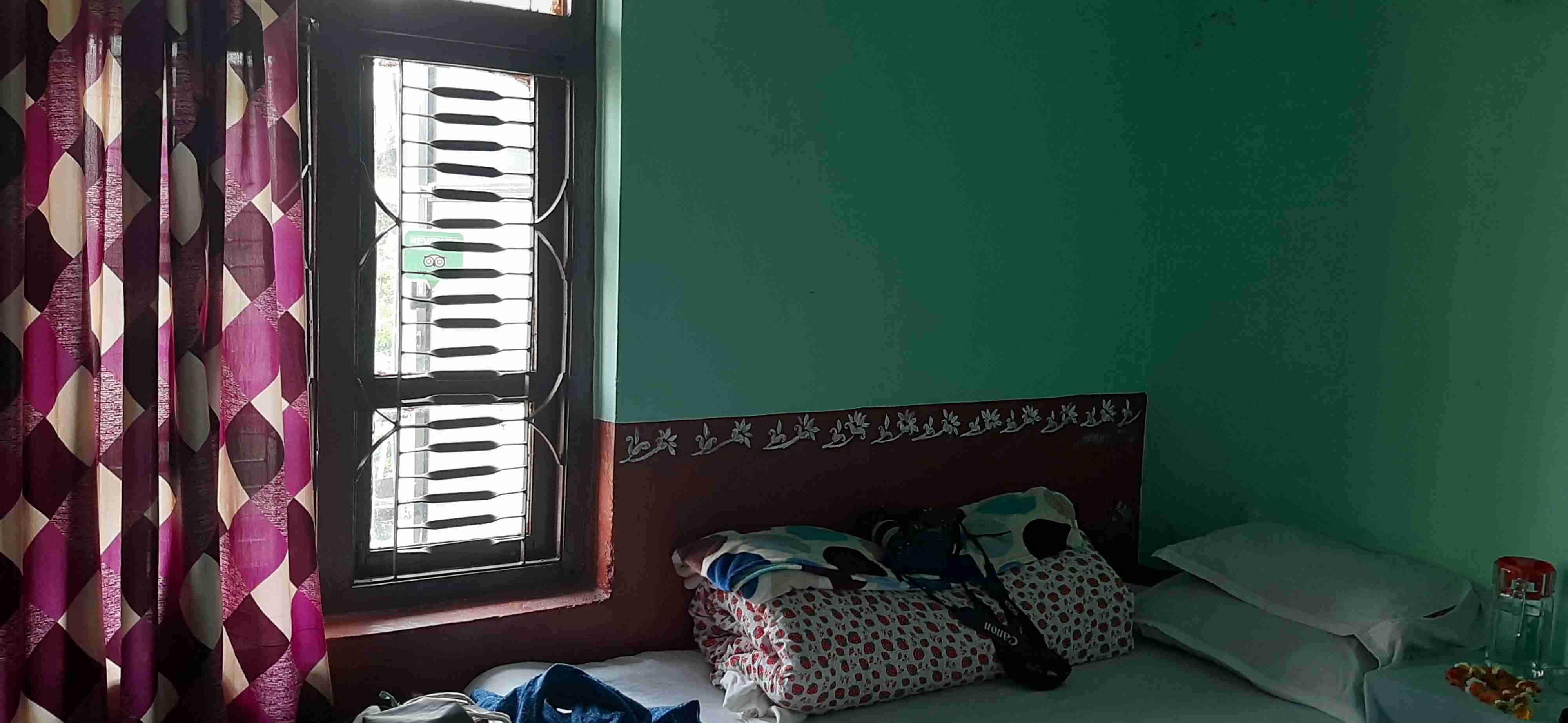
Our small room is sober but delicately decorated. The beds are very firm which will be conducive to a quality rest.

In the small staircase, we locate the furnace bridge dedicated to the divinities. The Newari, from what we have understood, are often attached to Buddhism but they also honor Hindu deities like Ganesh, Shiva or Durga.
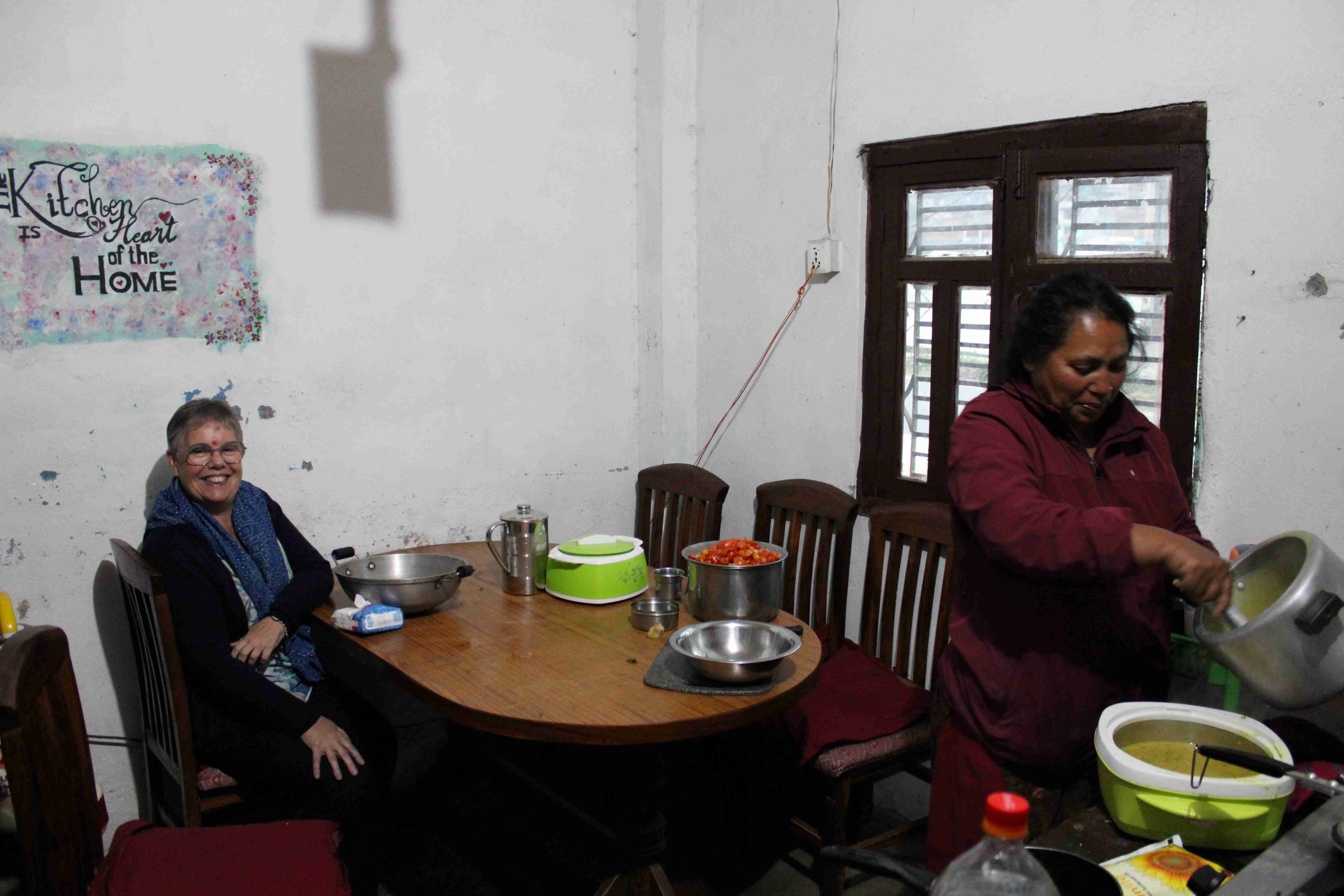
After a little rest, it’s time to meet in Minnah’s kitchen for our first Nepalese cooking lesson. As it is written on the wall, here the kitchen is the heart of the house.

Fresh cuisine as is usual in Nepal with fresh spinach picked from the garden. Minnah bustles around the gas. The rice is soaked because it must be washed of its starch and impurities according to Ayurvedic tradition.
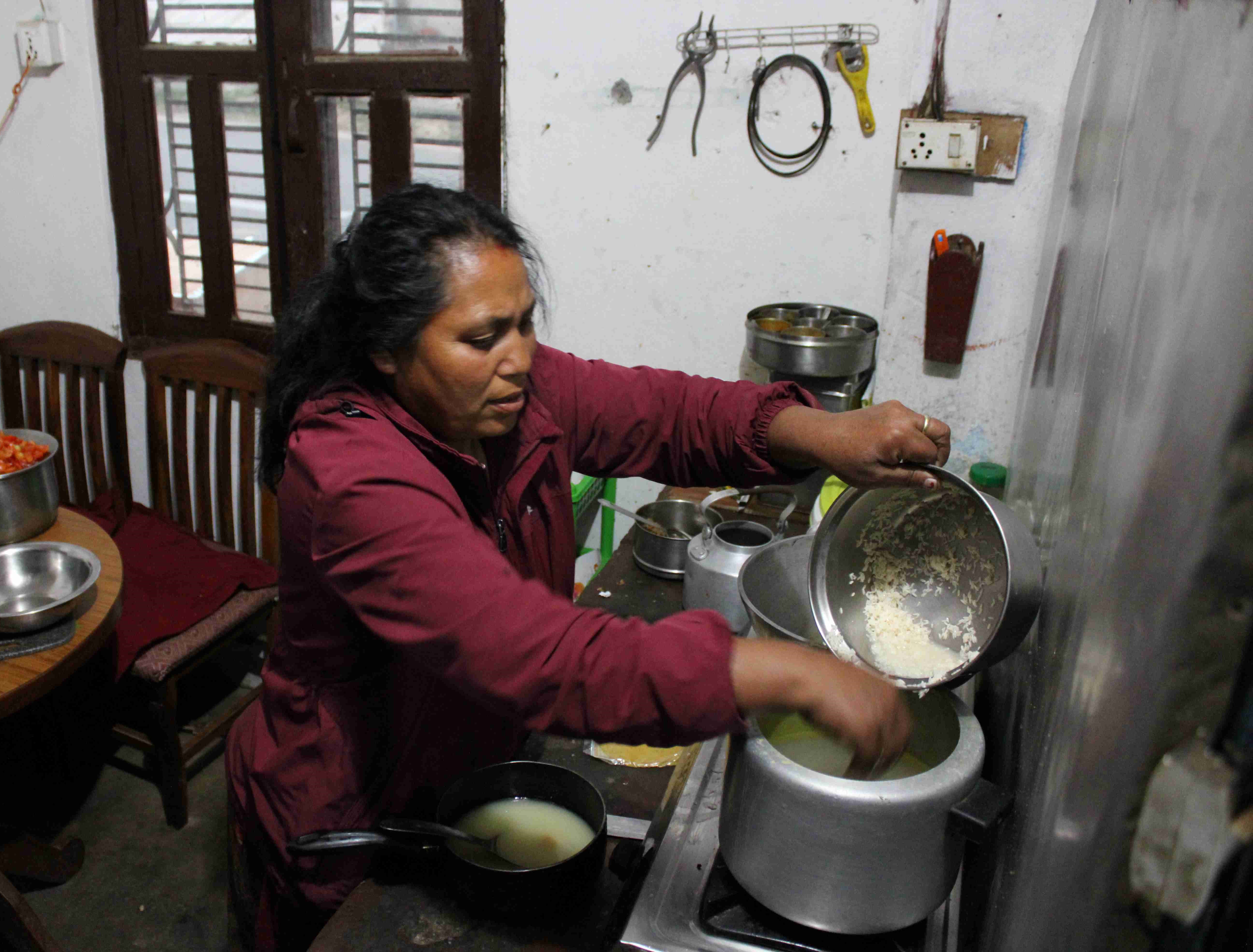
Minnah perfectly masters her recipe for Dhal Bhat, the Nepalese national dish that gives strength and energy for 24 hours, as all the t-shirts sold in the stalls of Kathmandu proclaim.

Just the right amount of local spices, a pot for the lentils, a wok for the papadams and you’re done.

Just after having tasted this delicious meal, we savor the peaceful life and the evening which settles on the village. Everyone quietly goes about their business in the surrounding gardens.

Two women gossip in a corner while a group of men meet to chat at the end of a field.

The region of Panauti being an agricultural region, there are many greenhouses built of bamboo which shelter the crops in the surrounding area.

As in many places in Nepal, the Minnah garden is built on a terrace. It is a maintenance job to be renewed every year.

After a good night’s sleep, early awakening, the street comes alive with many people coming and going on foot, by bike, on a motorbike or even by bus.
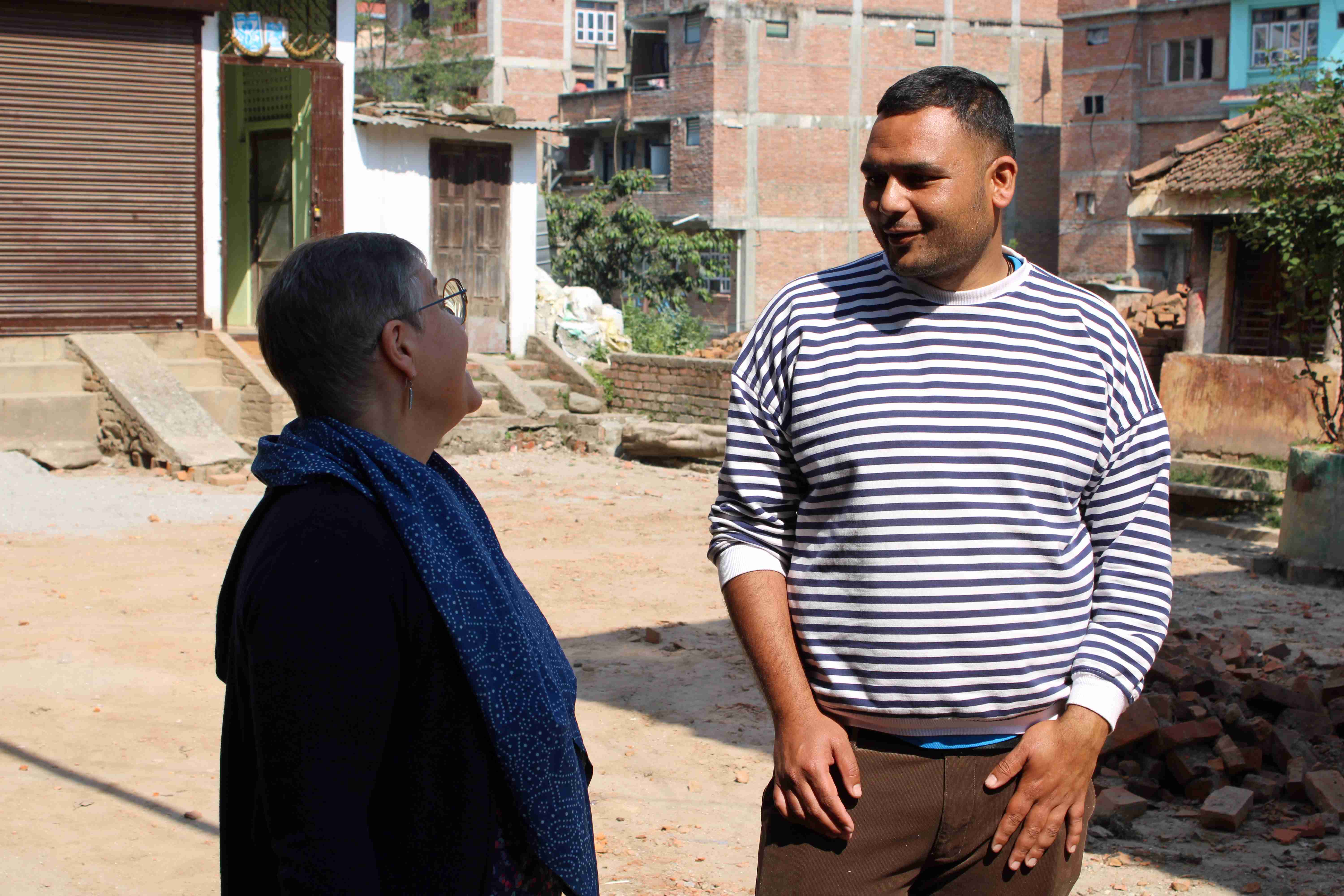
We have the chance to discover the Newar people and their traditions in the company of Ashish. He is passionate about his culture while being a young man of his time, connected and soon to be a dad.
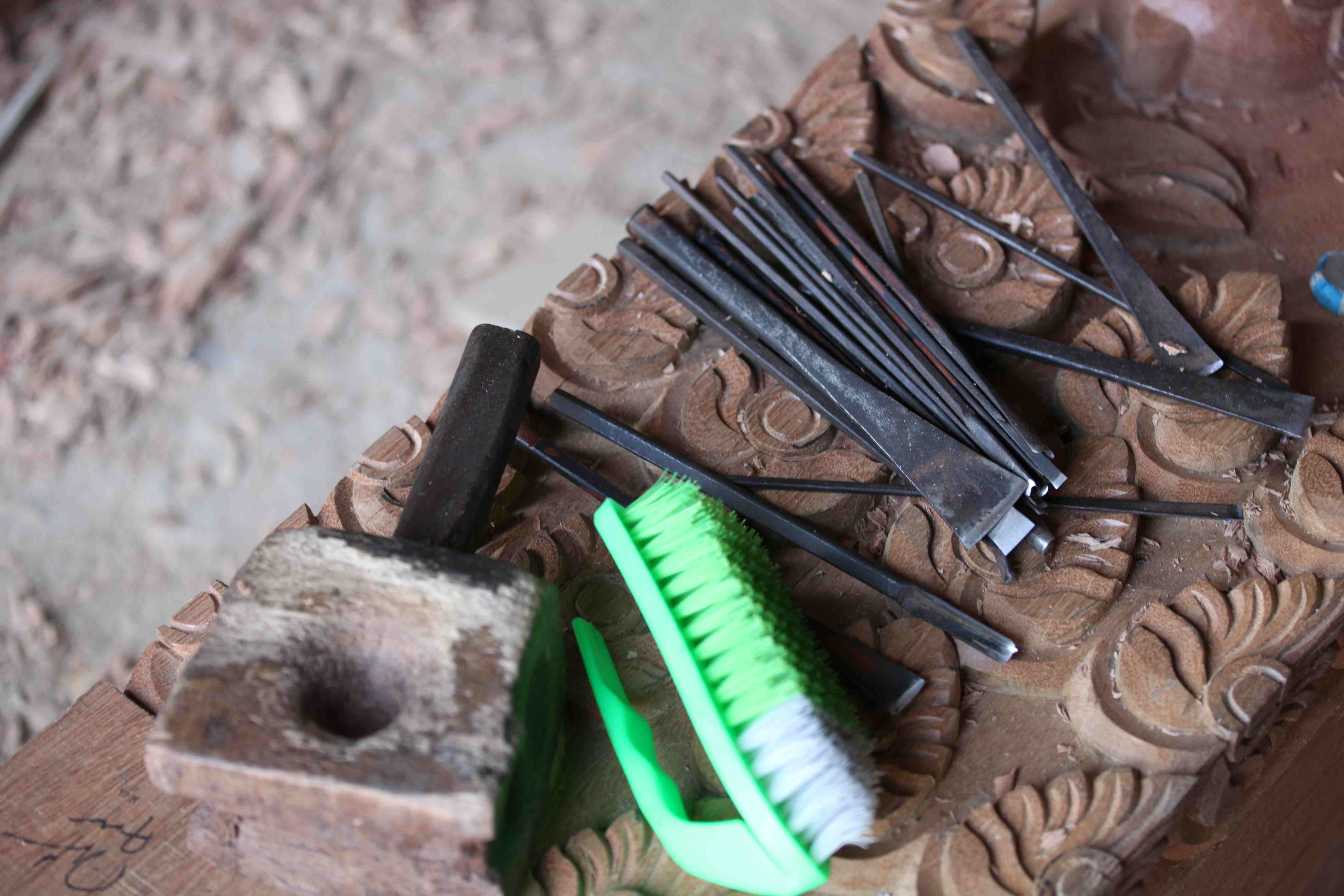
First stop in the garage of the neighbor who despite his youth already has a lot of talent for wood carving.
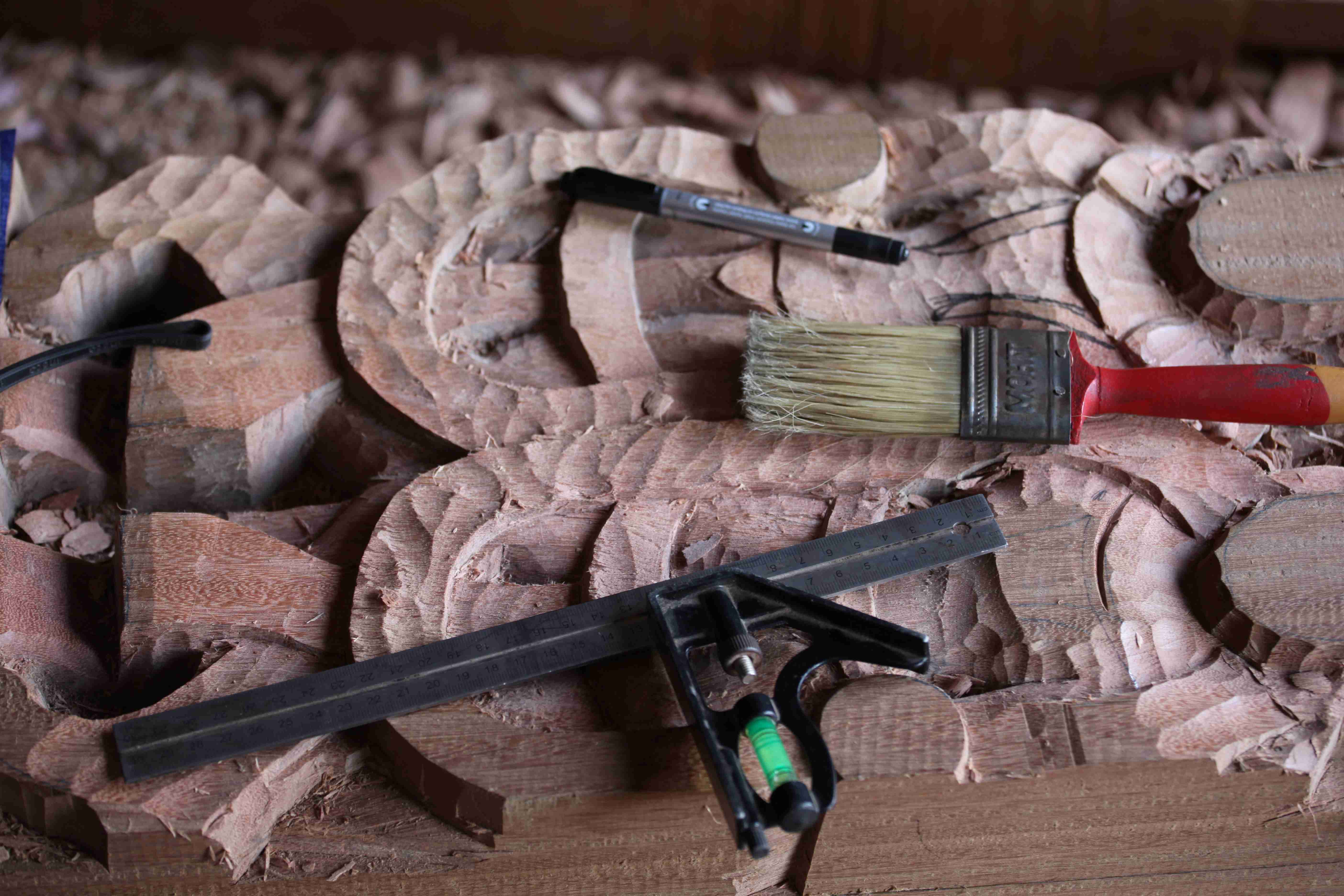
We are amazed watching him use his various tools with dexterity to reveal the sculptures of one of the future doors of a temple damaged by the last earthquake in Bhaktapur. The young man has just left the school which was founded in Panauti to train future artisan restorers under the aegis of Unesco.
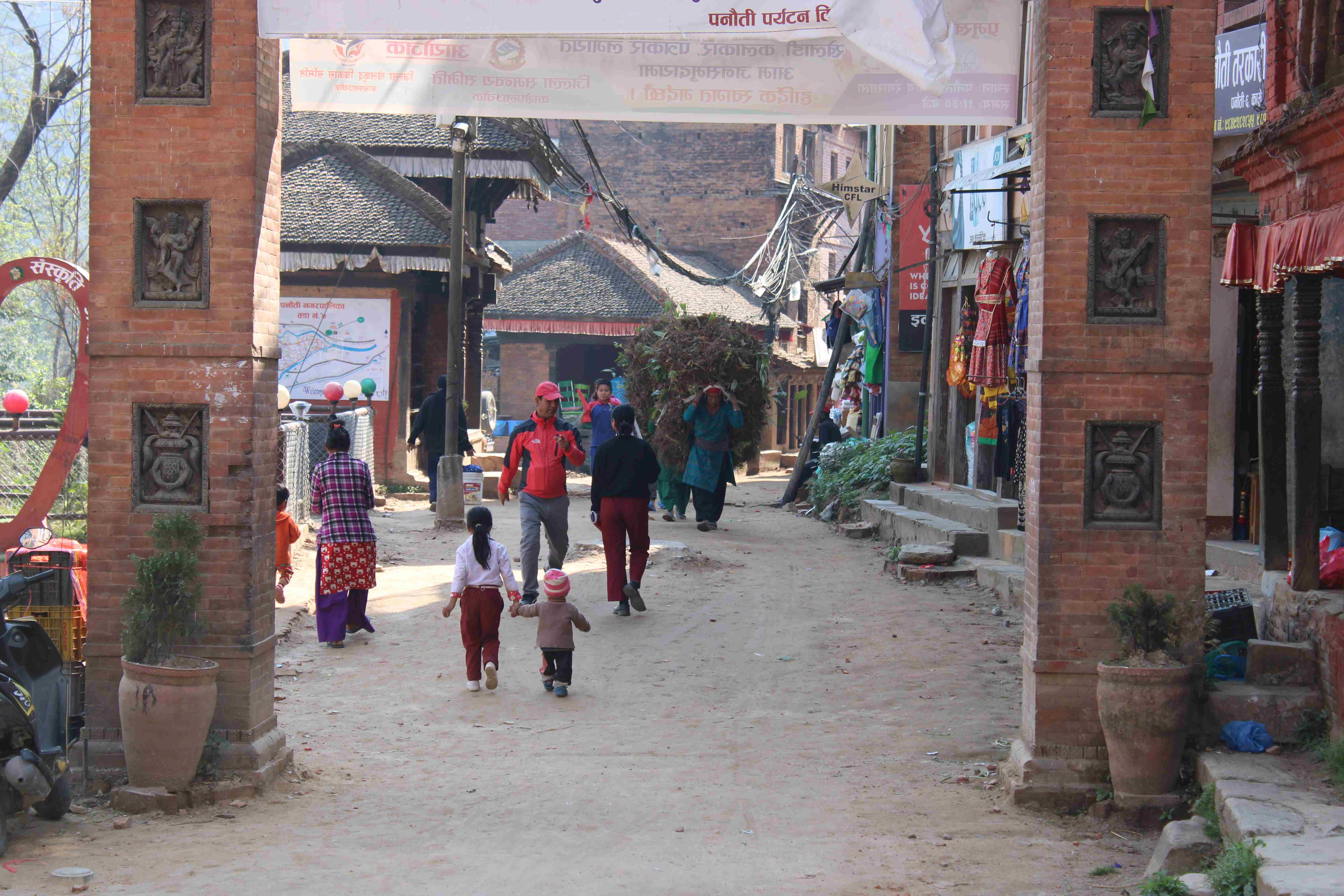
It’s time to dive into the very heart of the village and go out and meet its inhabitants. It’s quite easy with Ashsih because he knows everyone.
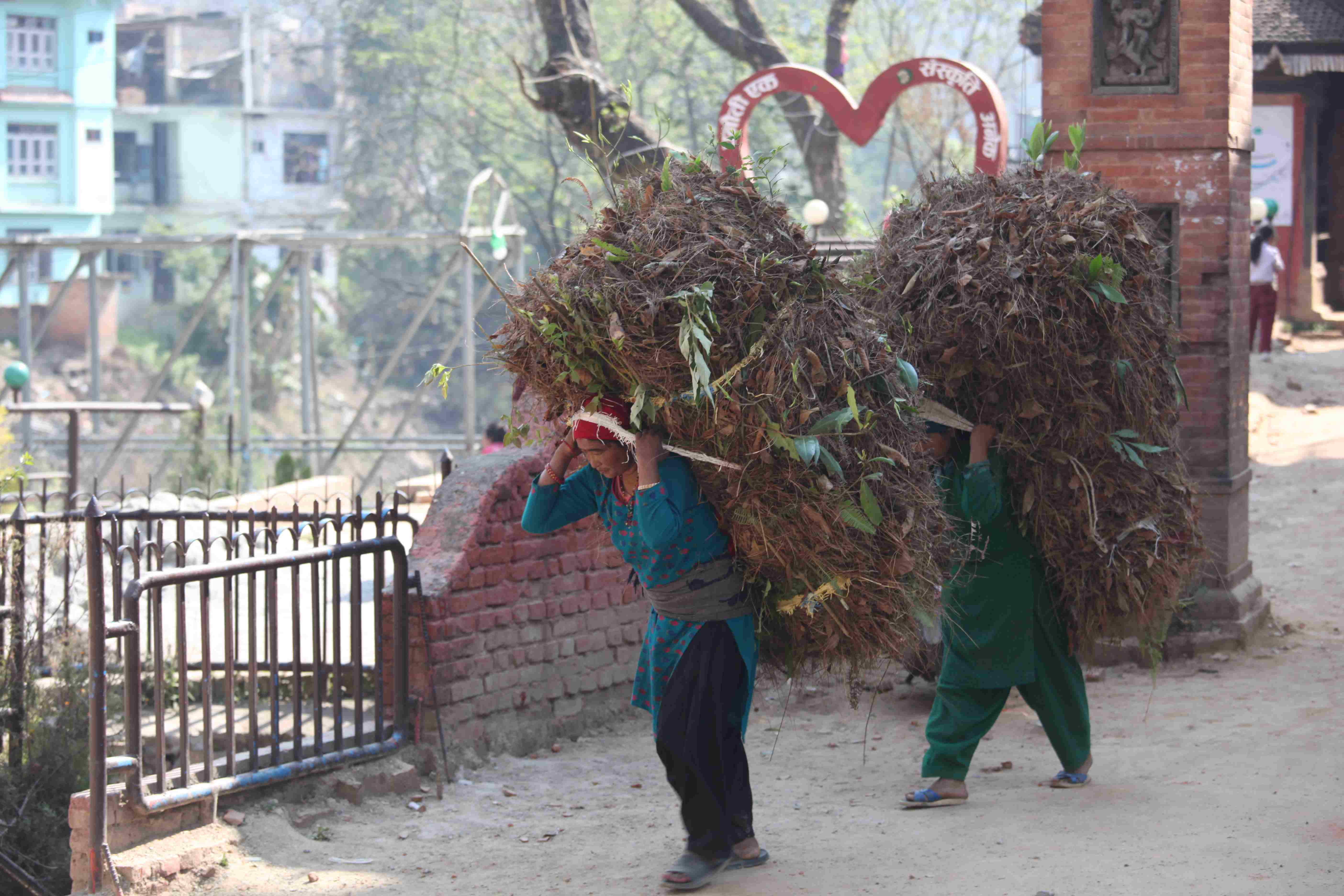
Our eyes are drawn to what seems unusual to us and we are always impressed by the strength of the Sherpa women.

To enter the village is to taste life at a different pace. It’s living another time, one where we still take the time to adjust the balance before announcing the price of an order.
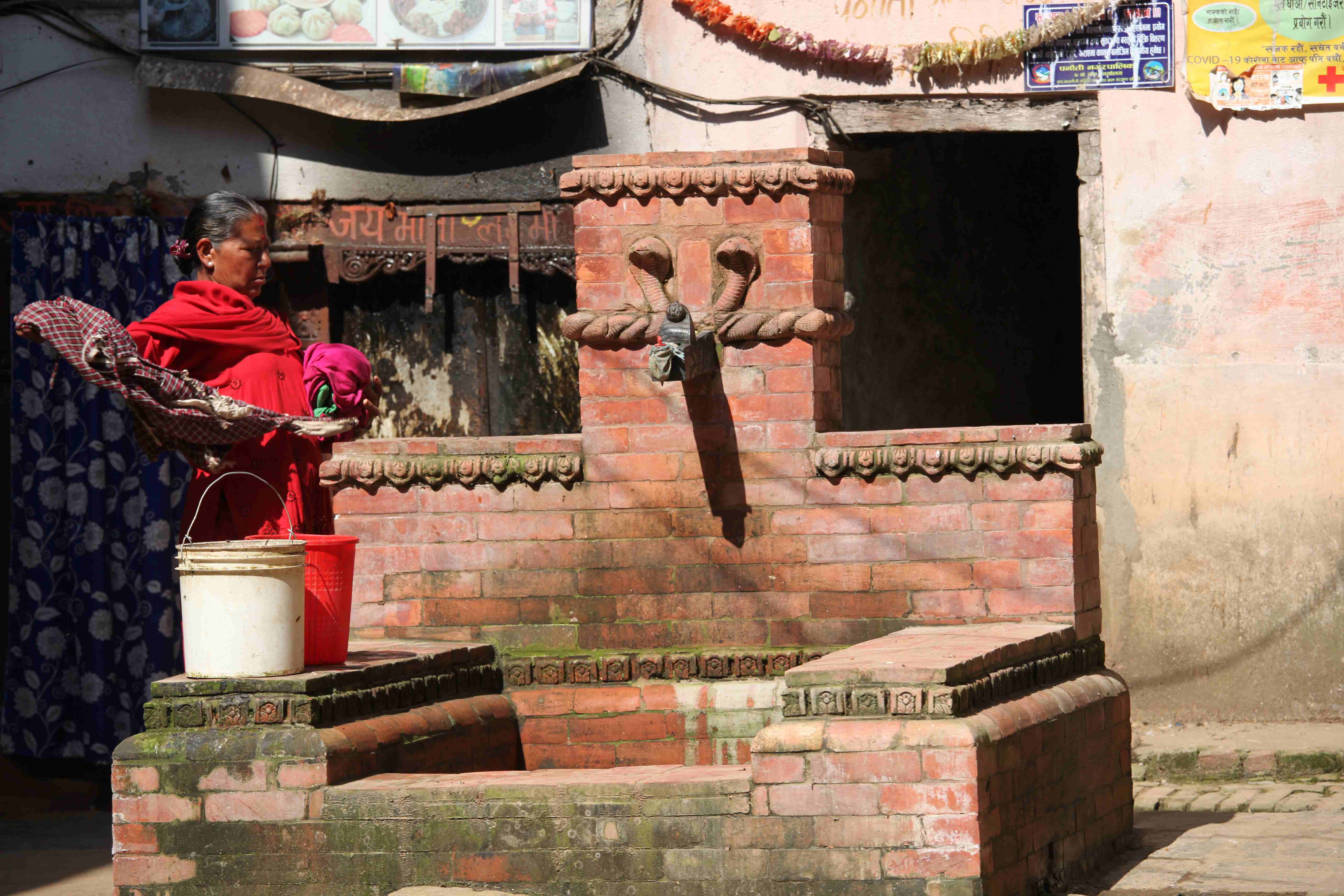
Strolling through the village is to find gestures and work that are certainly physical but which leave time and space for meditation.

It is to find at every street corner, life, colors, exchanges in progress.

Shopping in the small stalls of the village means rediscovering that you don’t always need complicated things to calculate prices and that trust between the buyer and the merchant comes first and foremost through face-to-face exchanges.

Strolling through the alleys of the village means passing through the shadows in a few moments…
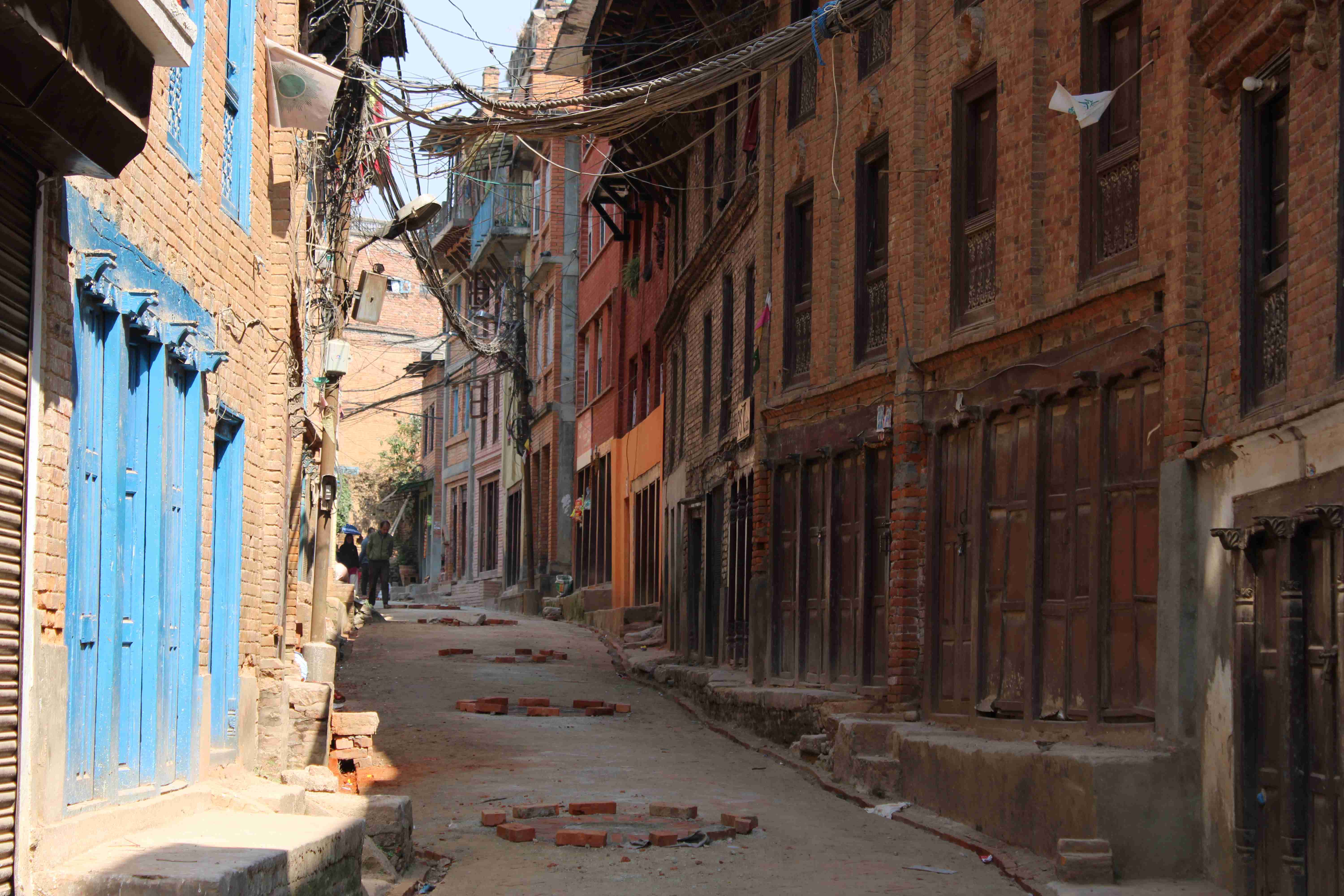
…in the light and enjoying every moment with its share of surprises.

It’s relearning that the street is not dangerous and that it can be a wonderful place for those who still know how to take the time to sit on a step to enjoy the rays of the sun.

To follow in Ashish’s footsteps is to understand that one can be truly happy with very few things and that the essential is sometimes far from modernity.
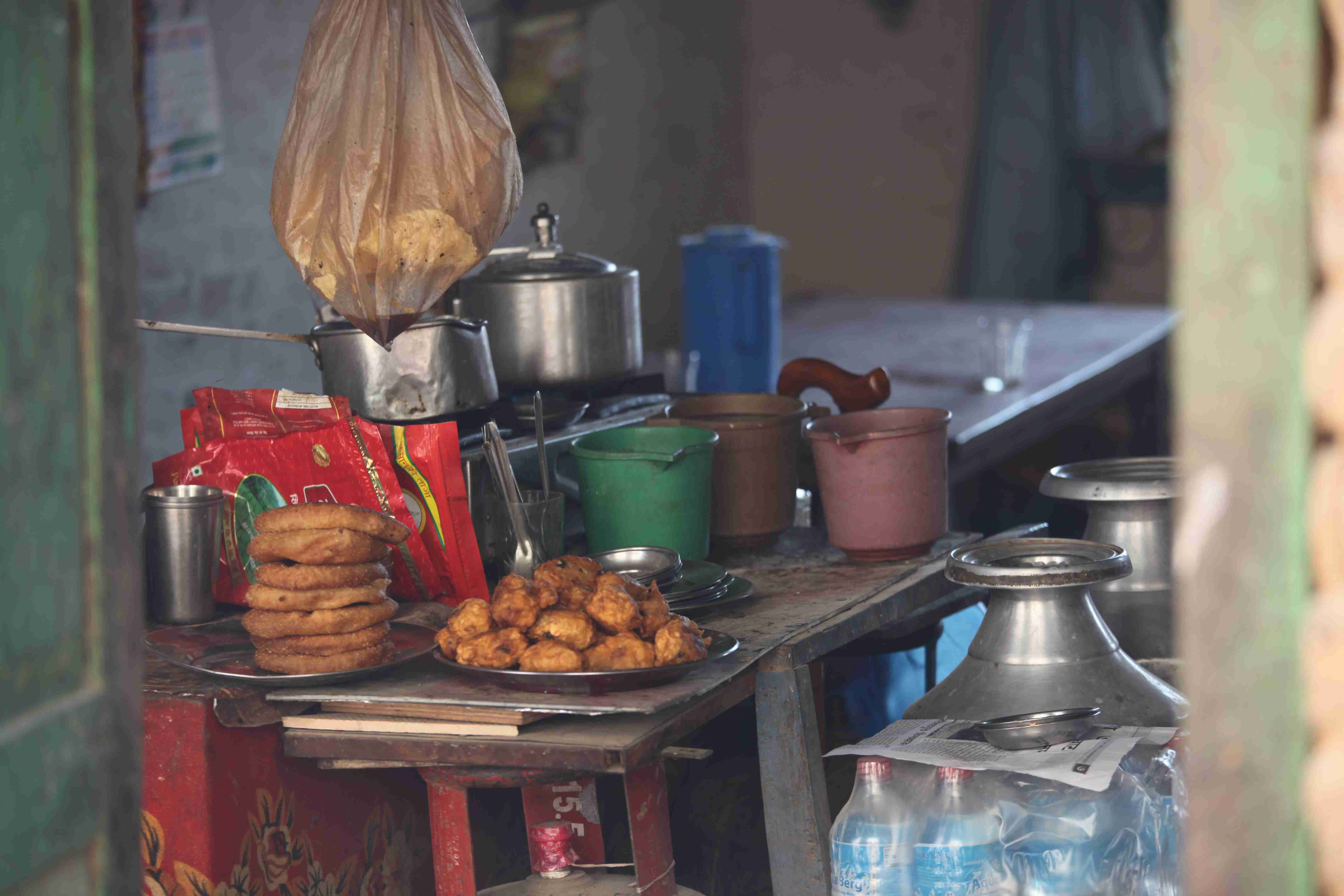
Throughout our journey, there will be small eateries where it is good to taste a donut or savor a chai tea already boiling in the pan. A tea that is only waiting for amateurs to be tasted.
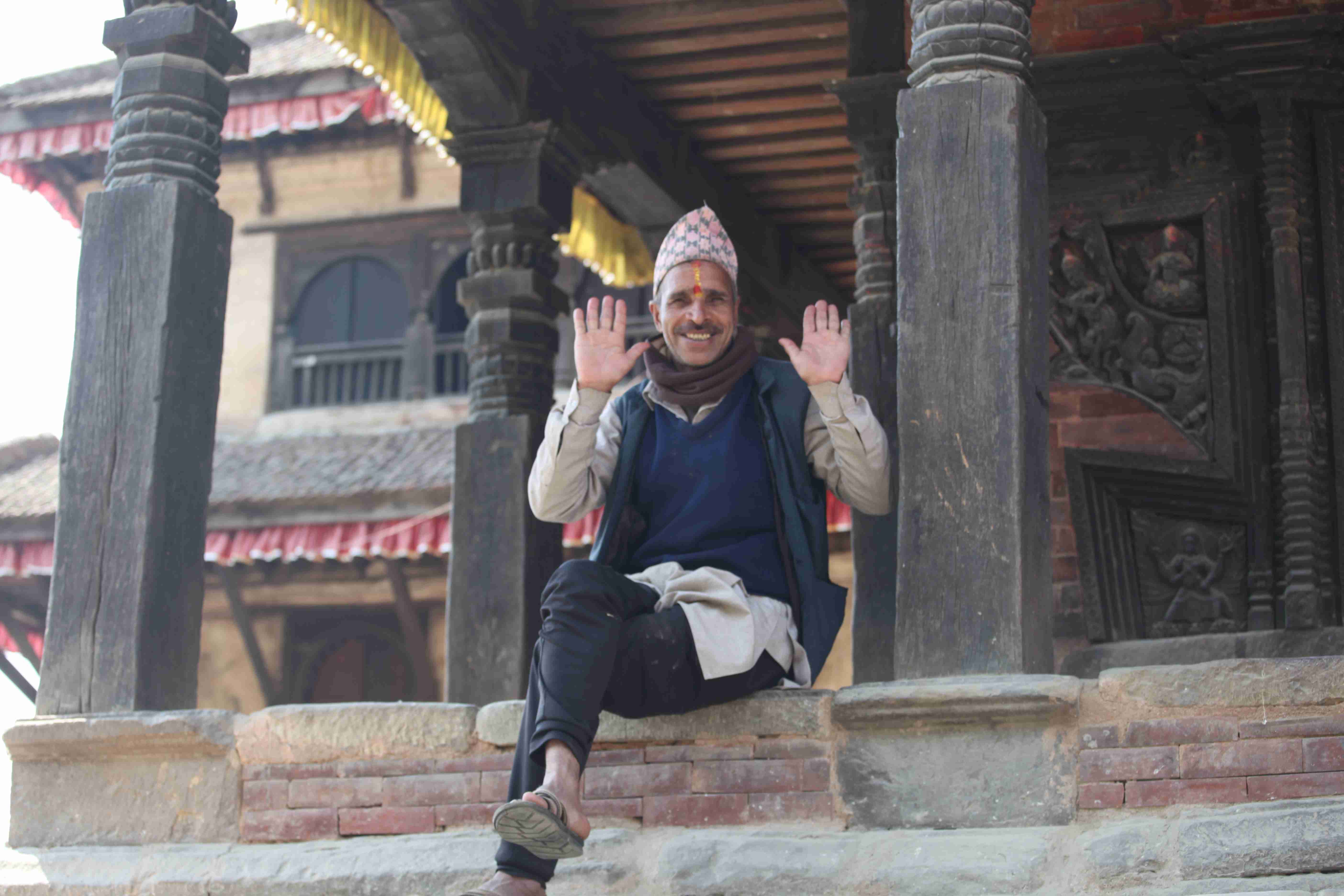
And above all, strolling through the streets of the city means having the assurance of meeting beautiful people if you remain open to encounters.
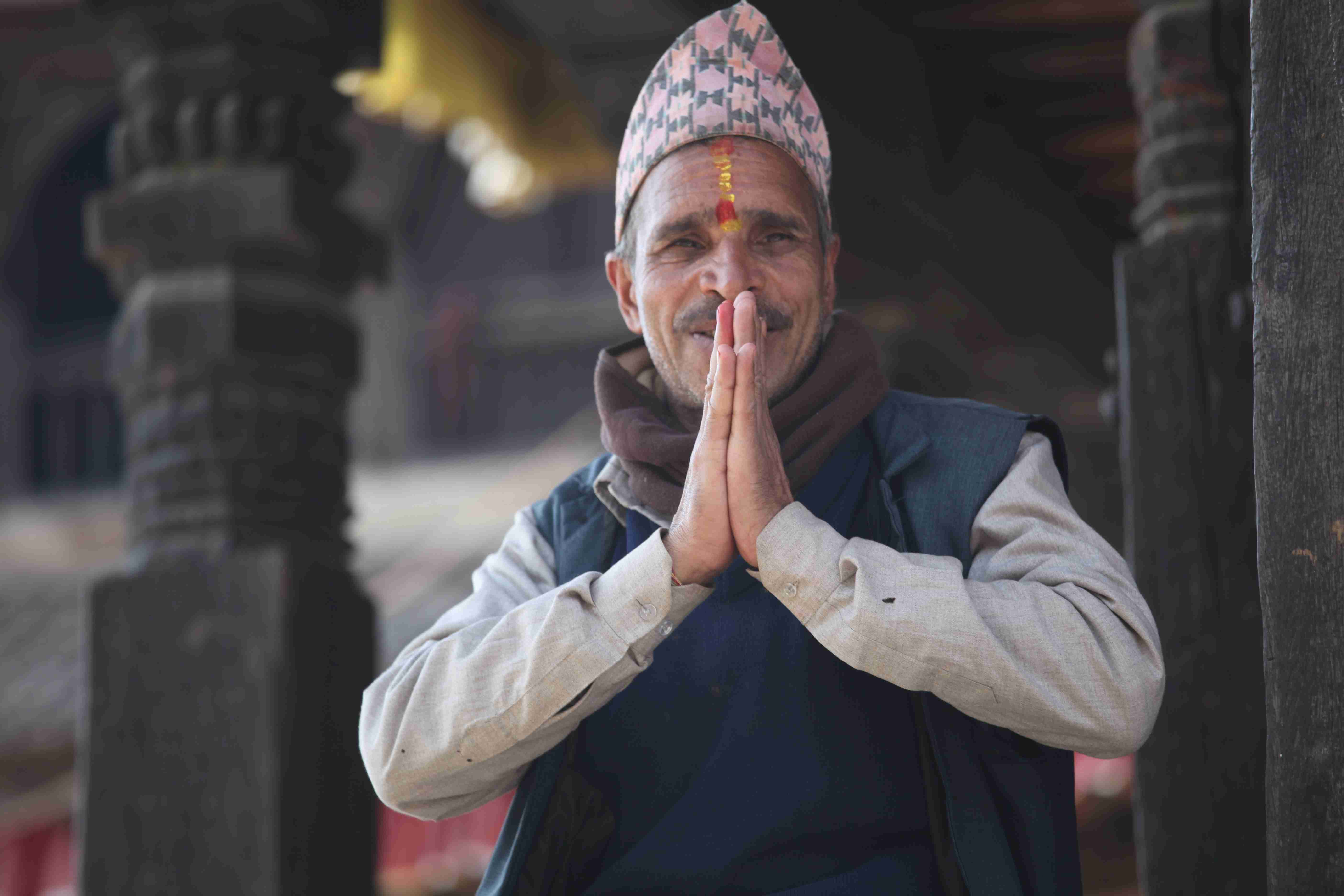
It is obvious that long speeches are not always needed to share the same emotion and feel in communion.
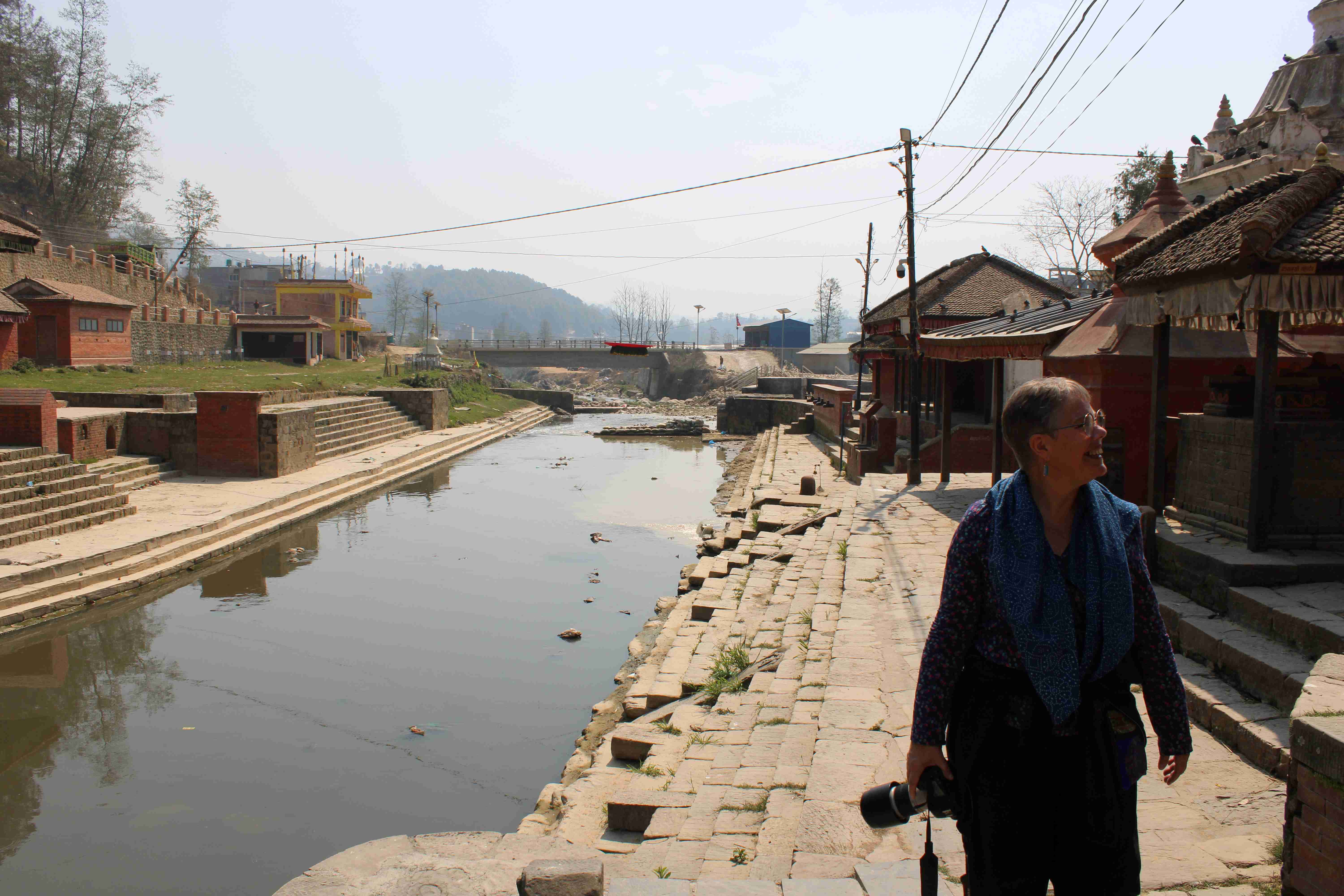
Often all it takes is a smile to connect beyond words and leave lasting memories.

To walk through the alleys of the small city is to pass without transition from the raw daily life…
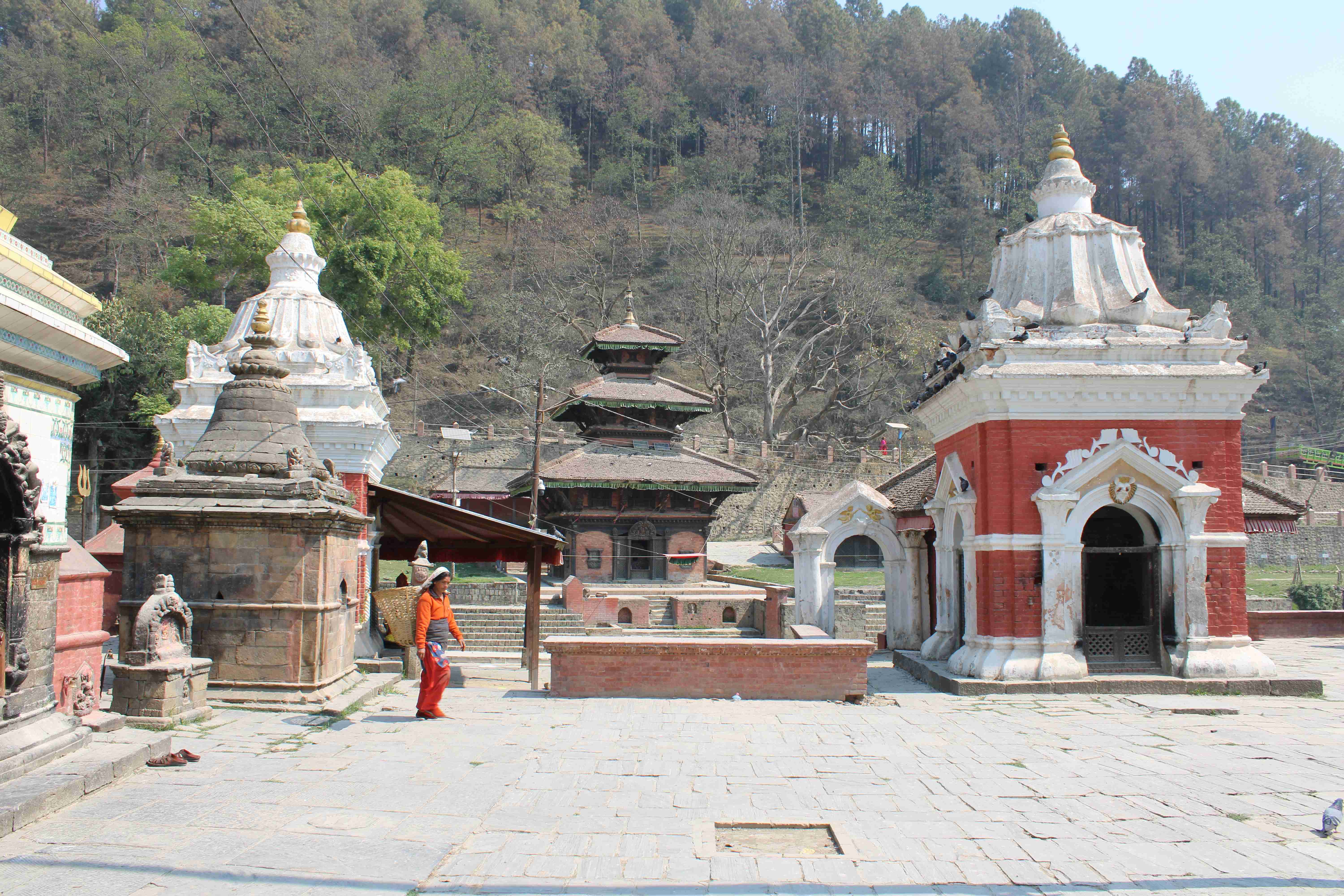
… to religion and from religion to…

…everyday work. A constant coming and going that seems so natural here that we forget that life can be quite different thousands of kilometers from here.
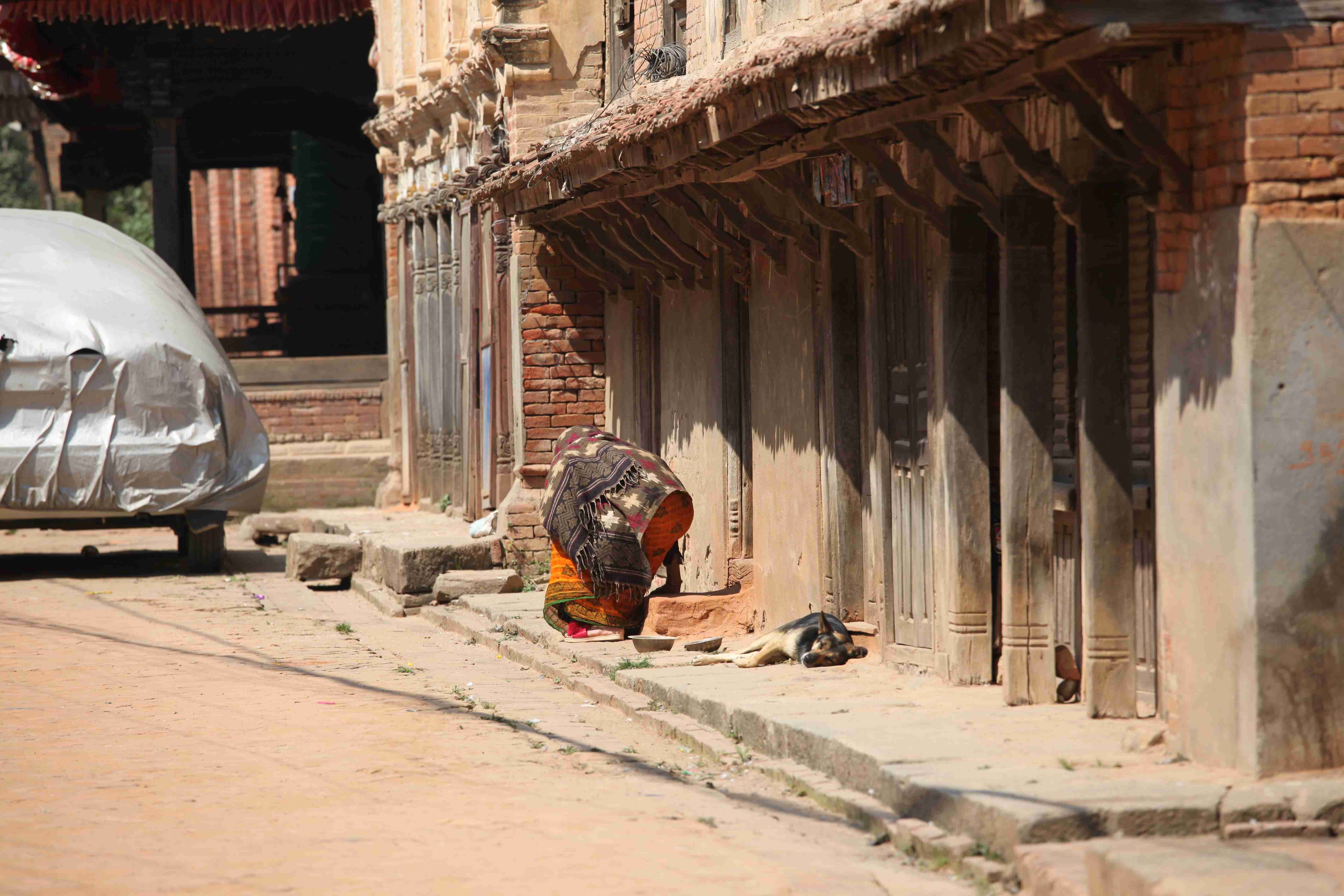
Immersing yourself in the everyday life of these inhabitants means constantly remembering that you have to know how to take your time, settle down here and there and allow yourself time to welcome what comes.
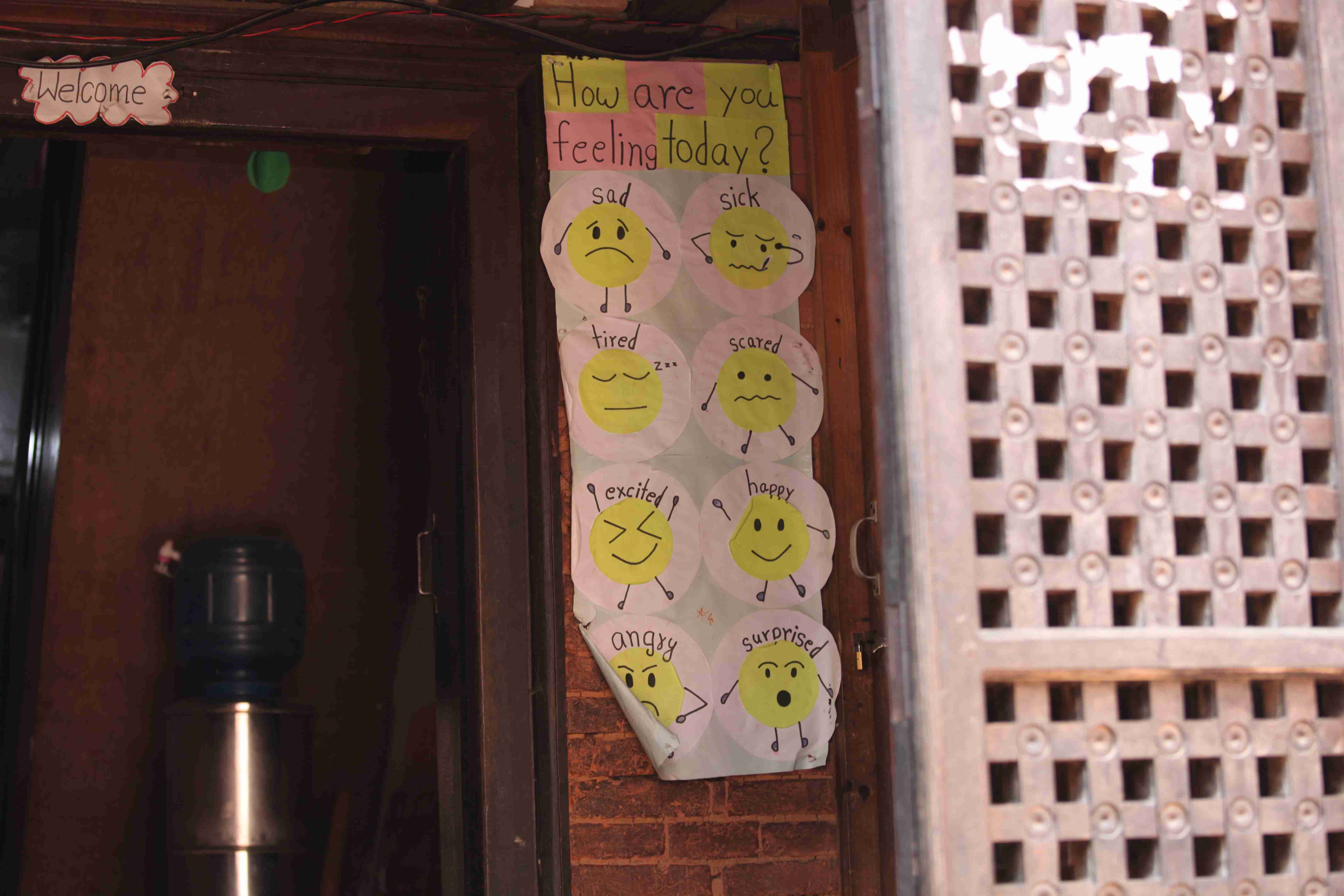
It’s discovering that children learn from an early age to identify their emotions to know how to live with them without it weighing heavily on their day.
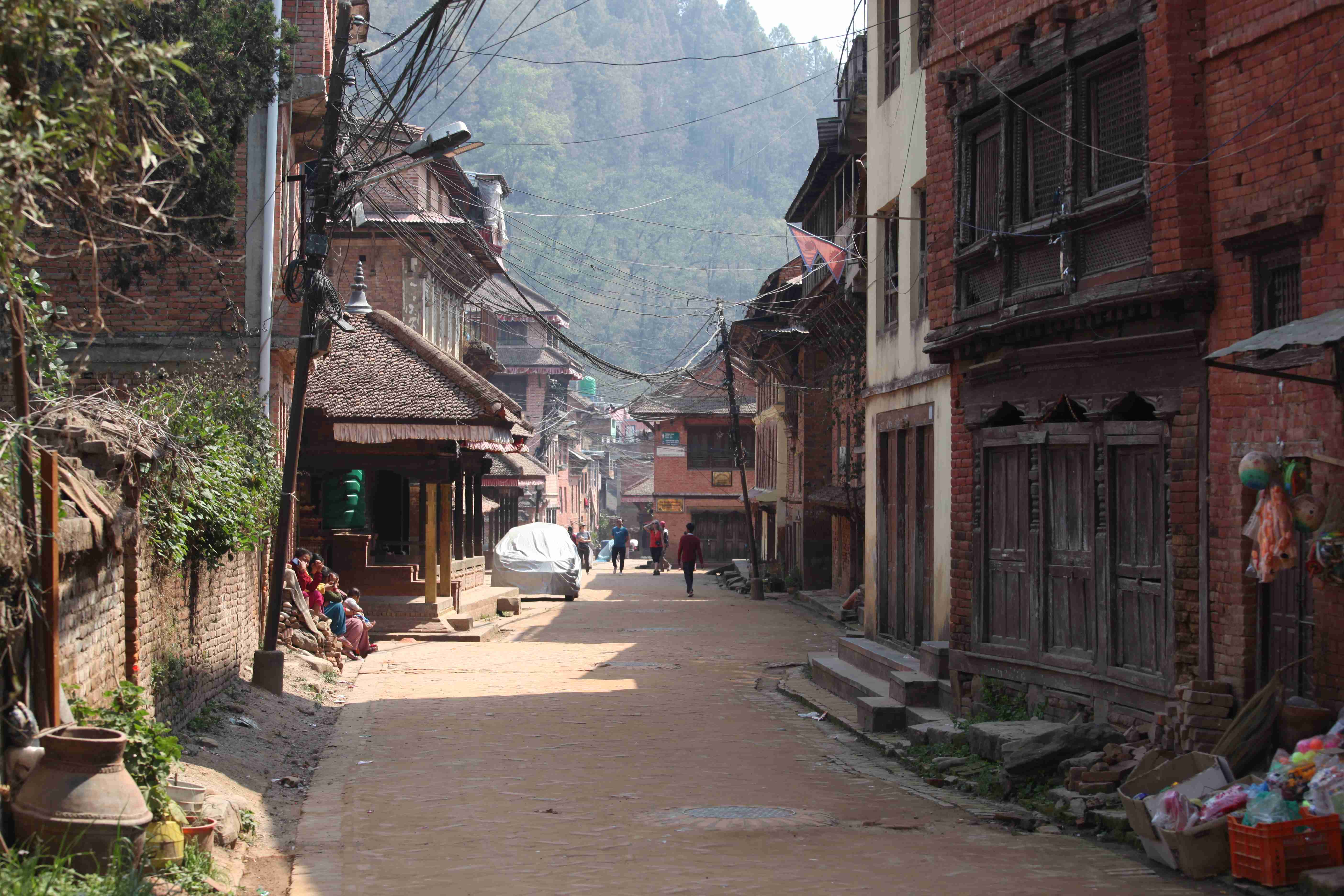
It’s savoring taking the time to stroll and interact at a completely different pace than the frantic pace of our Western lifestyles. It is to appreciate the ambient sweetness of life despite the hard knocks, despite the difficulties, despite the drought or the floods.

It is to recognize that the small stalls still have much more charm than our increasingly disproportionate commercial surfaces.
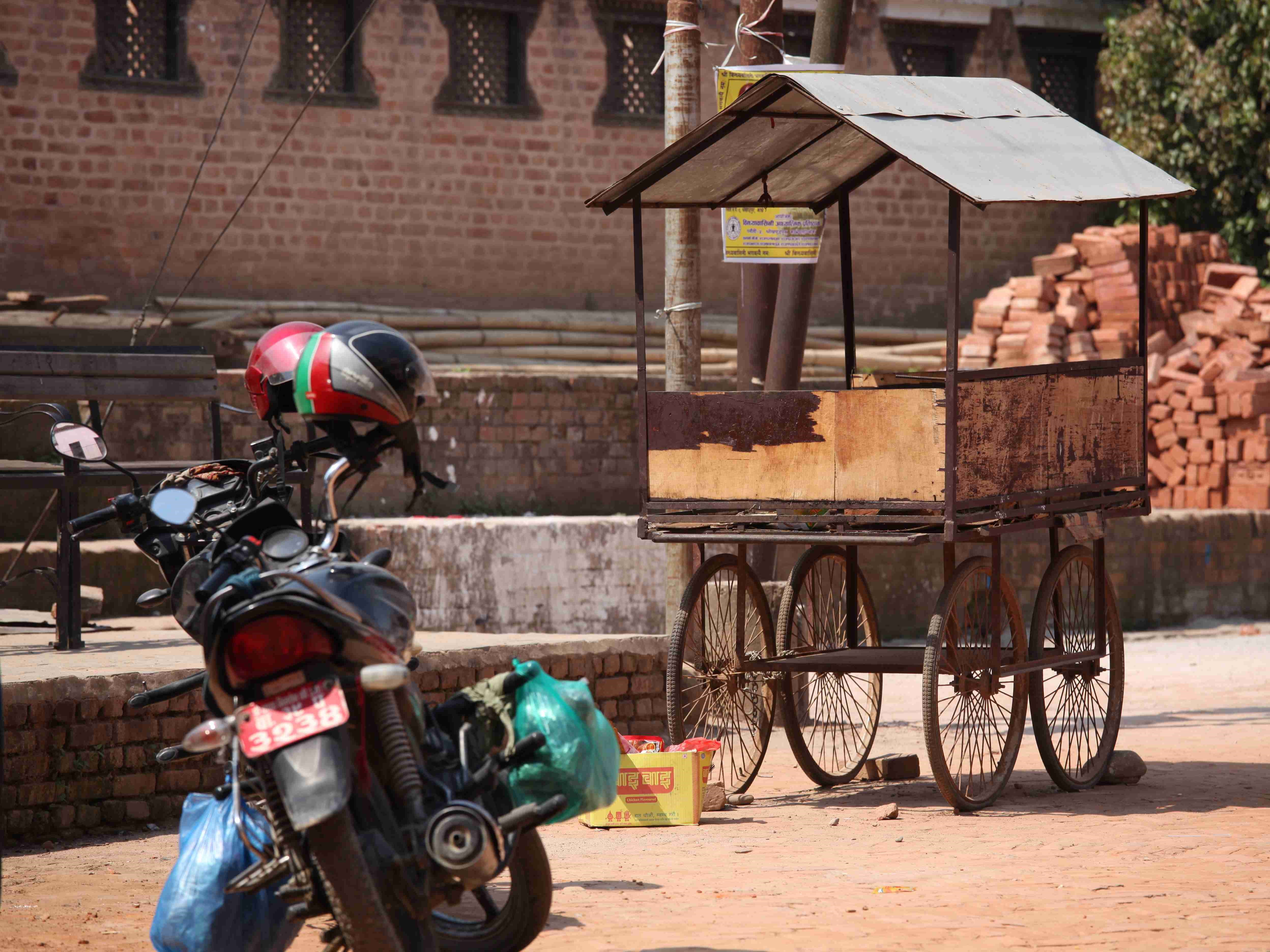
It is to juggle between modernity and another time not so far away, still very present here and it is to hope that the Nepalese will be able to find the right balance between the two to envisage the future.
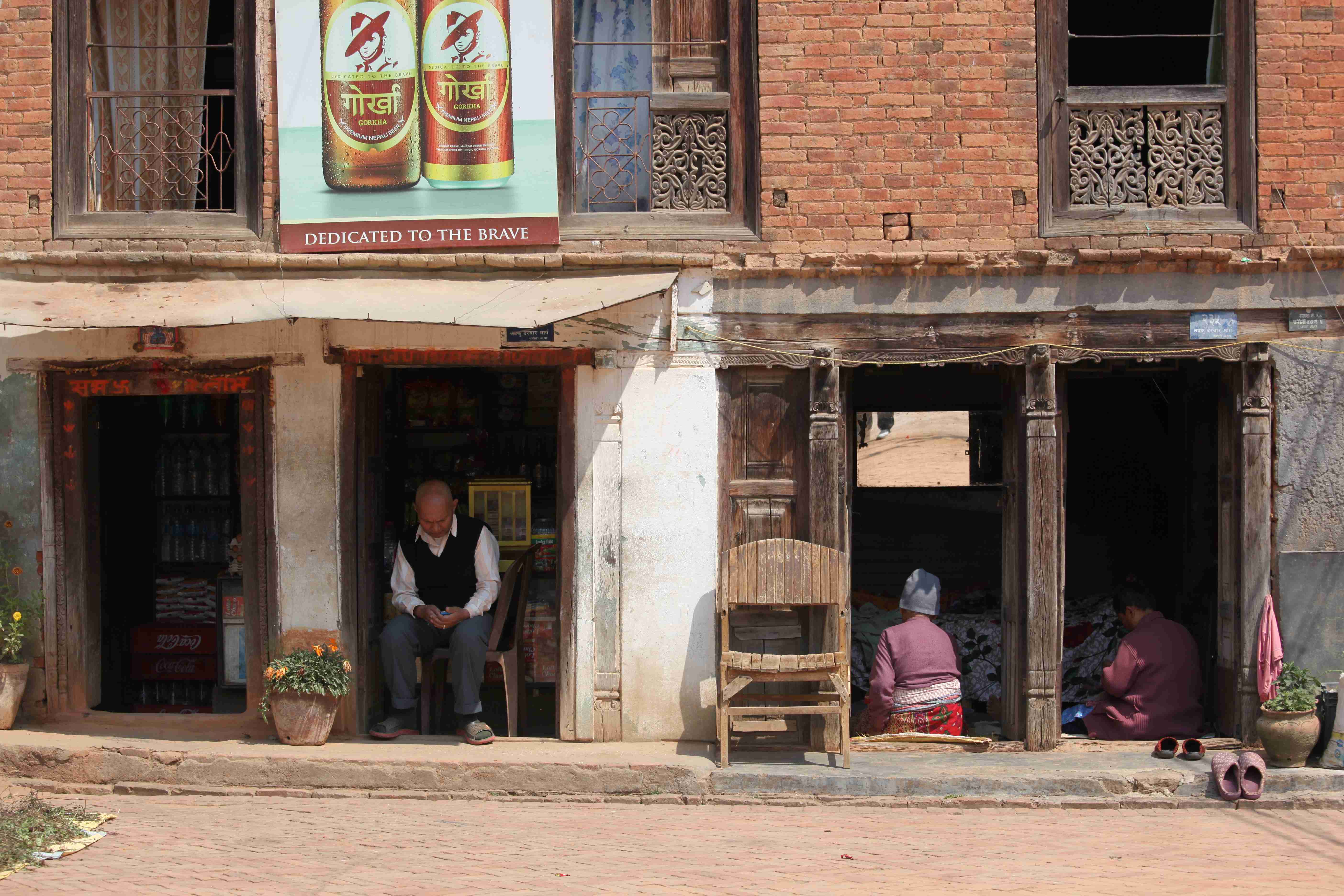
To enter this world is to open a door that makes us reflect on our life choices and makes us realize that another world is possible.
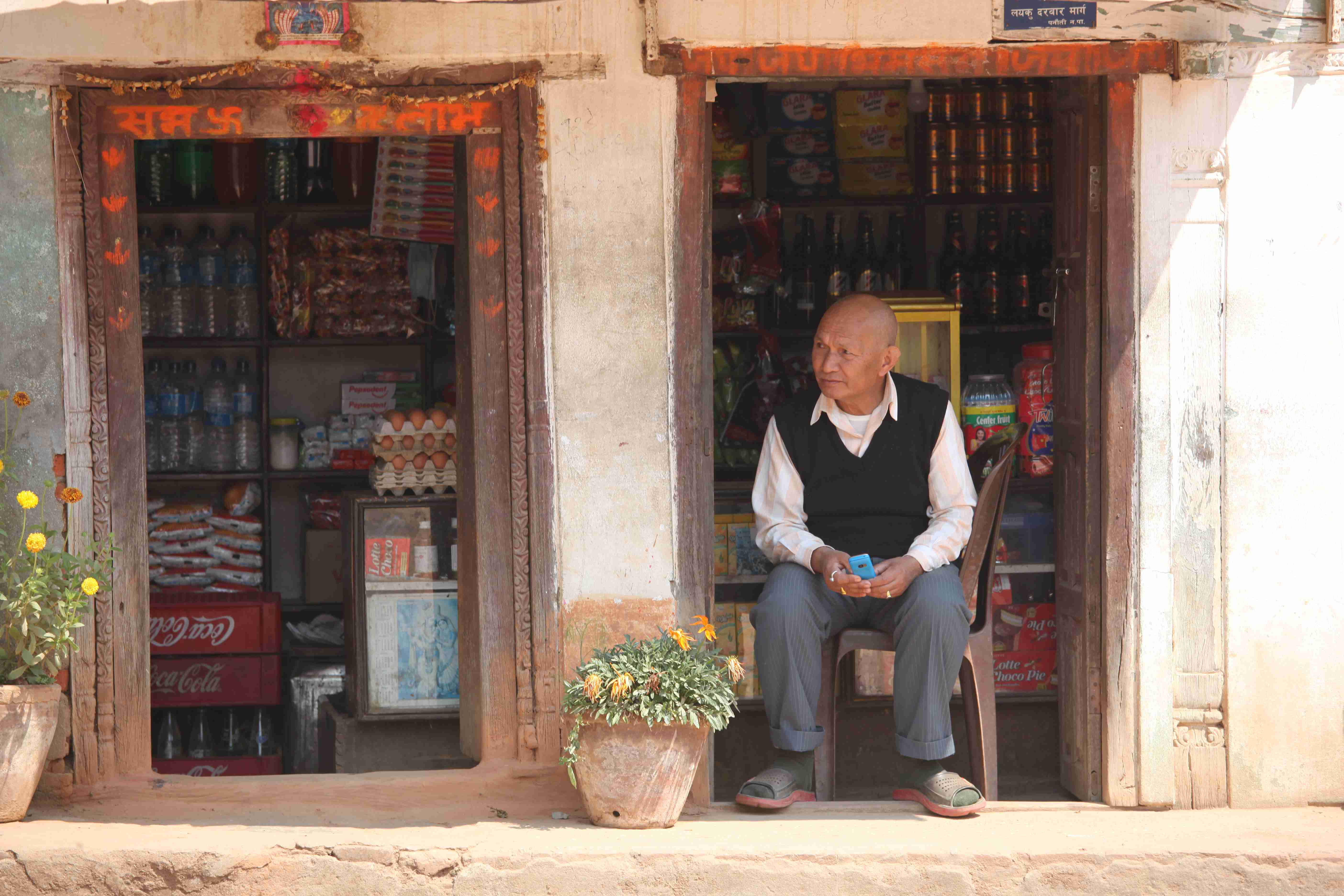
It is to consider waiting as an opportunity and not as a constraint. It means considering other possibilities and other relationships.

Here we are back at Minnah’s who is talking quietly in the garden with Susannah.
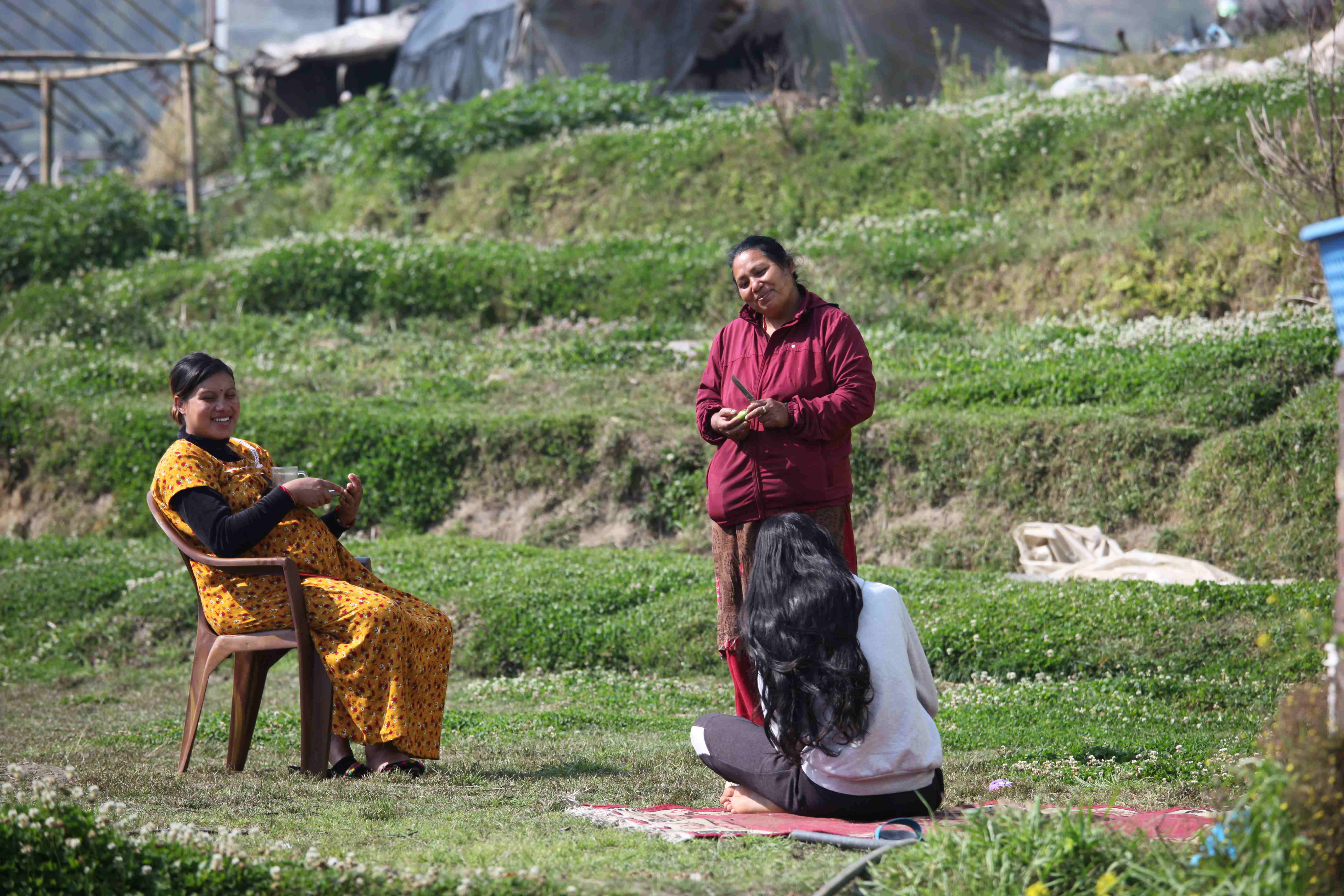
Full of joy, touching simplicity, always ready to welcome what comes, these women are really beautiful under the sun. They remind us that life is precious and that it is in the soil of everyday life that the most beautiful flowers of joy and benevolence can flourish.
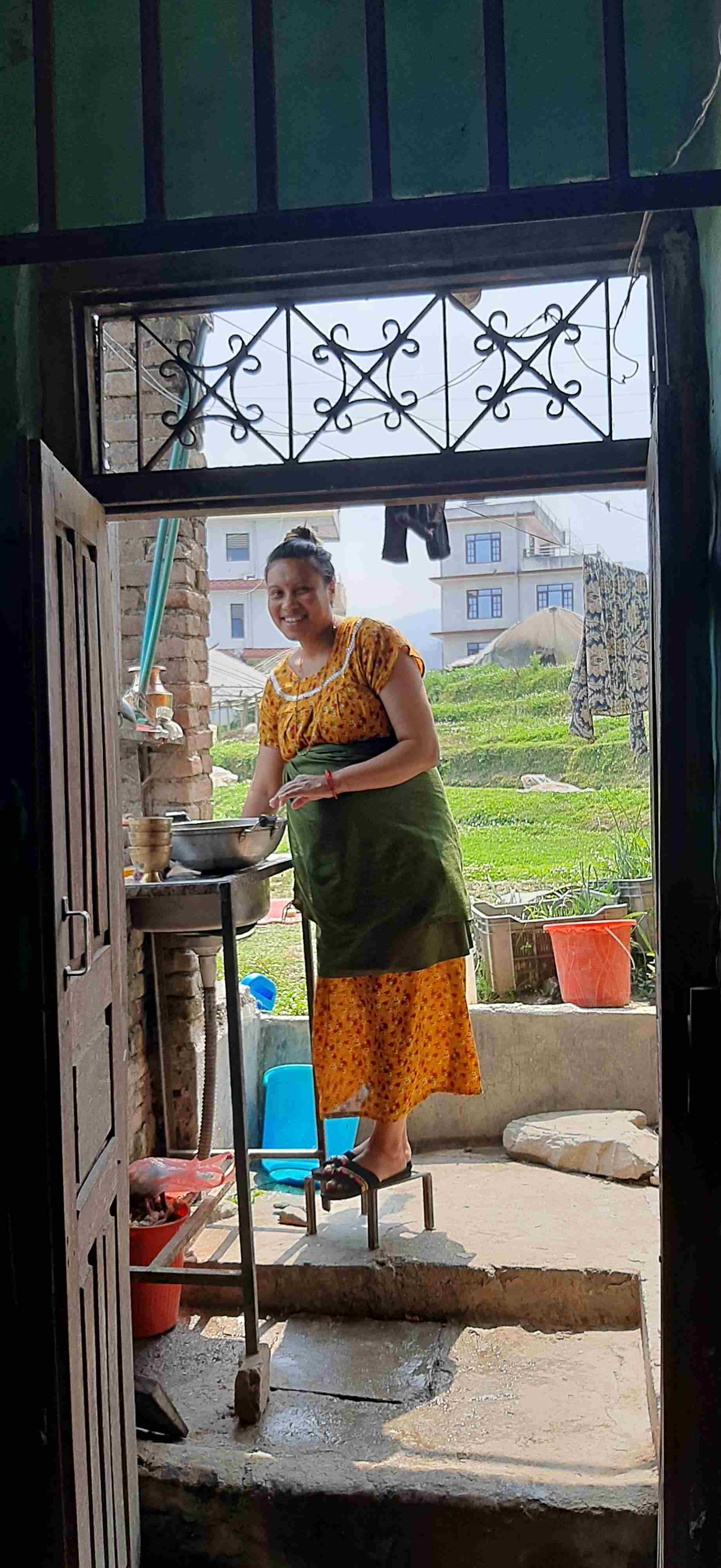
They remind us that faced with a problem, there are only solutions and that a small bench is often enough to overcome the difficulties.
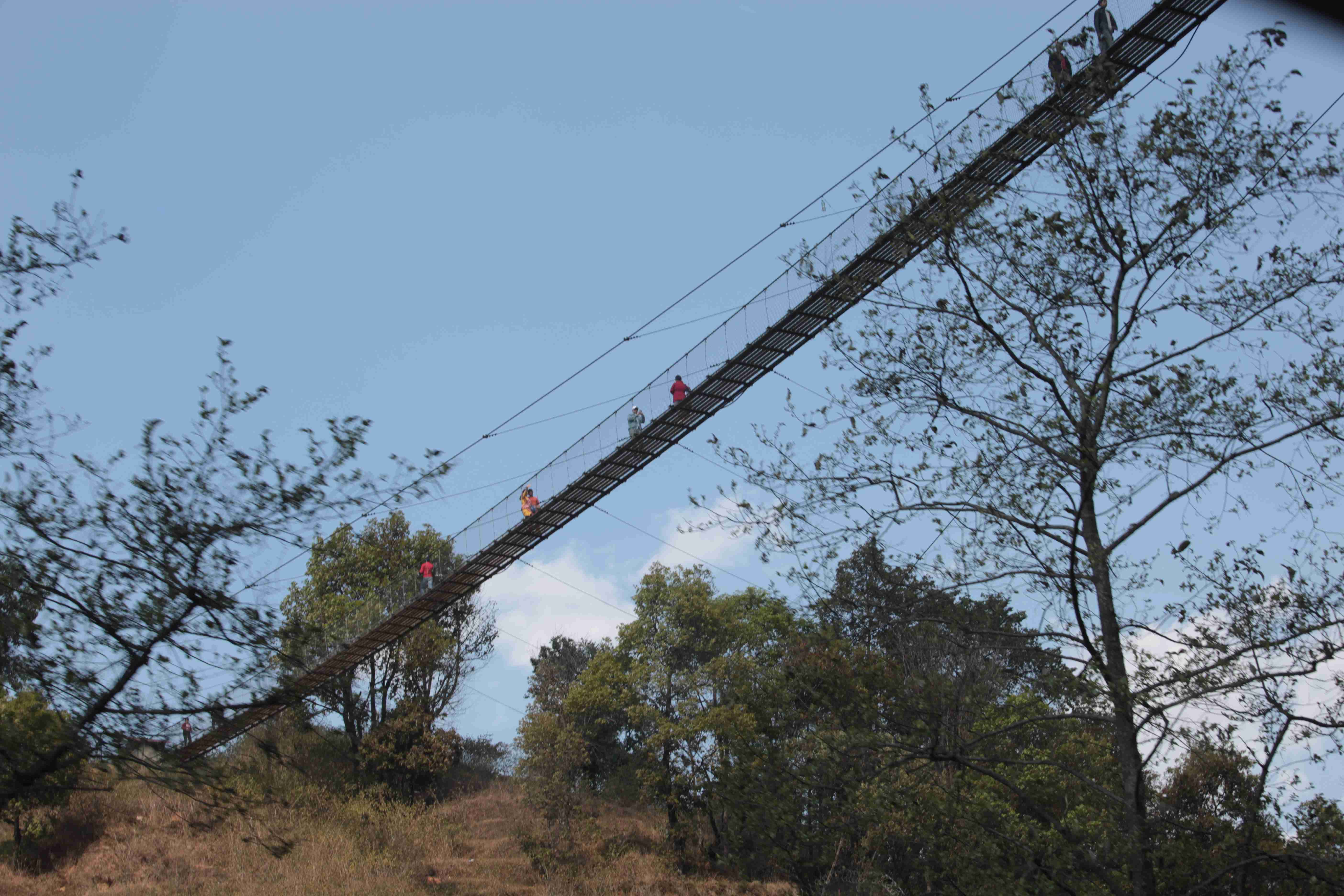
A few kilometers from Panauti, there is a superb suspension bridge. It is a good transition to conclude this article. Isn’t life this incessant search for balance? A balance between modernity and the old world, between speed and the sweetness of life, between progress and the mad race for innovation, between emptiness and overflow, between a thousand and one choices. And just like when crossing a suspension bridge, it sometimes pitches a little, a lot or even very hard. It is then necessary to stabilize the situation before advancing further and regaining the balance that belongs to us. It is up to each of us to find our own vibrations for the crossing of life and in this area, our Nepalese friends have taught us a lot.
By Nathalie
 Rencontres et découvertes, ici et ailleurs